
Antidepressants: Types, Safety Profiles, and What Patients Need to Know
 Aug, 7 2026
Feeling stuck in a fog of sadness or anxiety can make daily life feel impossible. For millions of people, antidepressants are prescription medications used to treat depression, anxiety disorders, and other mental health conditions by balancing brain chemicals. They are not just for severe clinical depression; they help manage obsessive-compulsive disorder (OCD), post-traumatic stress disorder (PTSD), and panic attacks too. But with so many options available, how do you know which one is right for you? And more importantly, what are the real risks involved?
The journey to finding the right medication is rarely straightforward. It often involves trial and error, patience, and open communication with your doctor. This guide breaks down the different types of antidepressants, their safety profiles, and what you can expect during treatment. We’ll look at the science, the statistics, and the real-world experiences of patients to help you make informed decisions about your mental health care.
Understanding How Antidepressants Work
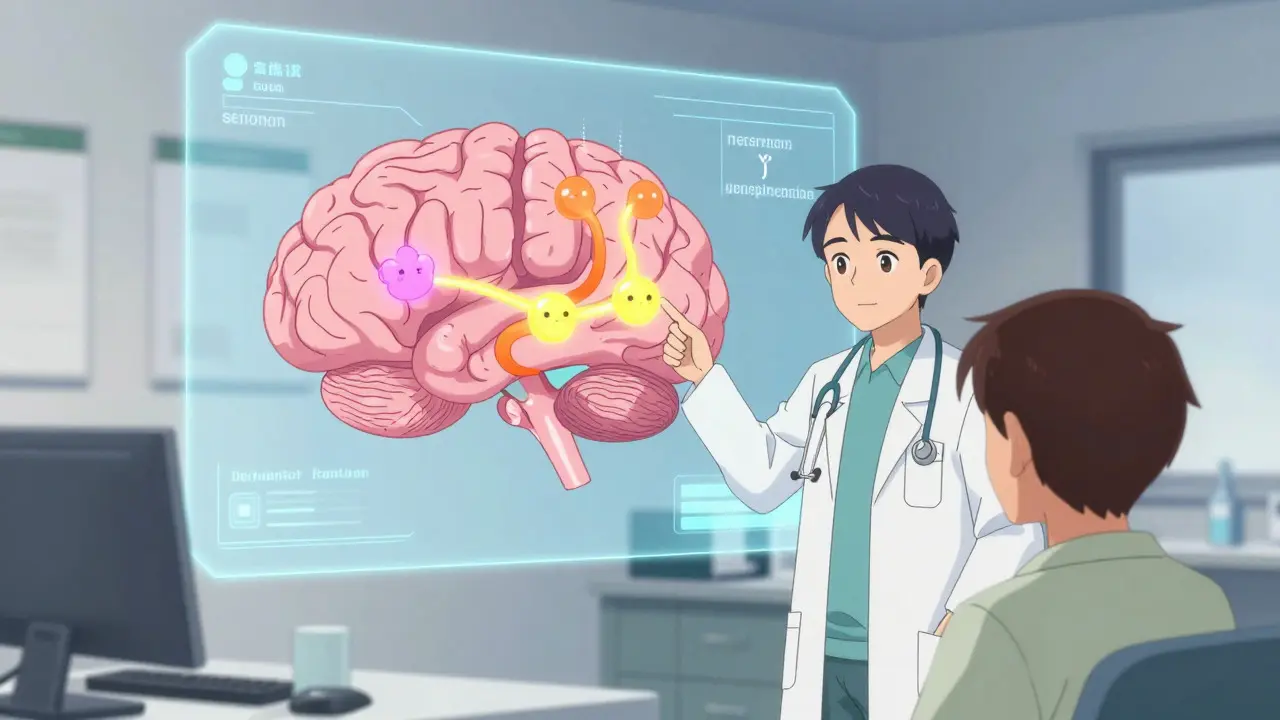
To understand why these medications help, we first need to look at the brain. Depression and anxiety are linked to imbalances in neurotransmitters-chemical messengers that transmit signals between nerve cells. The three main players here are serotonin, a neurotransmitter that regulates mood, sleep, and appetite, norepinephrine, a chemical involved in alertness and energy levels, and dopamine, a neurotransmitter associated with pleasure and reward.
Antidepressants work by altering the levels of these chemicals in the brain. They don’t fix the problem instantly. Think of it like adjusting the volume on a radio that’s been staticky for months. You turn the knob slowly until the signal comes through clearly. Most antidepressants take 4 to 6 weeks to show noticeable effects, with full benefits sometimes taking up to 12 weeks. According to a landmark 2018 study published in The Lancet, approximately 50-60% of patients experience a significant reduction in symptoms compared to 30-40% on a placebo.
It’s important to remember that medication is often most effective when combined with psychotherapy. Neither approach alone is usually enough for severe cases. Therapy helps you develop coping strategies, while medication helps stabilize your mood so you can engage in those strategies effectively.
Main Types of Antidepressants
Not all antidepressants are created equal. They fall into several classes, each working differently and carrying unique side effect profiles. Your doctor will choose based on your specific symptoms, medical history, and potential interactions with other medications.
| Class | Common Examples | Mechanism of Action | Key Considerations |
|---|---|---|---|
| SSRIs | Fluoxetine (Prozac), Sertraline (Zoloft), Escitalopram (Lexapro) | Inhibit serotonin reuptake | First-line treatment; generally well-tolerated; sexual side effects common |
| SNRIs | Venlafaxine (Effexor), Duloxetine (Cymbalta) | Inhibit serotonin and norepinephrine reuptake | Good for pain-related depression; may raise blood pressure |
| Atypical | Bupropion (Wellbutrin), Mirtazapine | Affects dopamine/norepinephrine or multiple receptors | Bupropion less likely to cause sexual side effects; Mirtazapine can cause weight gain |
| TCAs | Amitriptyline, Nortriptyline | Blocks reuptake of serotonin and norepinephrine | Older class; more side effects; risk of overdose toxicity |
| MAOIs | Phenelzine, Tranylcypromine | Inhibits monoamine oxidase enzyme | Strict dietary restrictions (tyramine); last resort due to interactions |
Selective Serotonin Reuptake Inhibitors (SSRIs)
SSRIs are the most commonly prescribed antidepressants today. Introduced in the late 1980s with fluoxetine (Prozac), they revolutionized mental health treatment because they were safer and had fewer side effects than older drugs. They work by blocking the reabsorption of serotonin in the brain, leaving more available to improve mood.
Sertraline (Zoloft) is currently the most prescribed antidepressant in the U.S., with over 38 million prescriptions in 2022. Other popular options include escitalopram (Lexapro) and paroxetine (Paxil). While generally safe, SSRIs are known for causing sexual dysfunction in up to 56% of users. This can include decreased libido, difficulty achieving orgasm, or erectile dysfunction. If this becomes unmanageable, doctors might switch you to bupropion or add it to your regimen.
Serotonin-Norepinephrine Reuptake Inhibitors (SNRIs)
If an SSRI doesn’t work, or if you have chronic pain alongside depression, your doctor might suggest an SNRI. Venlafaxine (Effexor) and duloxetine (Cymbalta) target both serotonin and norepinephrine. Norepinephrine plays a role in energy and focus, which can be helpful for patients who feel fatigued or unmotivated.
However, SNRIs can increase blood pressure in some people, so monitoring is important. They also tend to have more intense withdrawal symptoms if stopped abruptly compared to some SSRIs.
Atypical Antidepressants
This group includes medications that don’t fit neatly into the other categories. Bupropion (Wellbutrin) is unique because it primarily affects dopamine and norepinephrine, not serotonin. This makes it a good choice for people worried about sexual side effects or weight gain. However, it can lower the seizure threshold, so it’s not suitable for everyone.
Mirtazapine is another atypical option that often causes drowsiness and increased appetite. This can be beneficial for patients who struggle with insomnia or have lost weight due to depression, but problematic for those trying to maintain a healthy weight.
Older Classes: TCAs and MAOIs
Tricyclic antidepressants (TCAs) and monoamine oxidase inhibitors (MAOIs) were the first antidepressants developed in the 1950s. They are still used today but usually only after newer medications fail. TCAs like amitriptyline have significant side effects, including dry mouth, constipation, and heart rhythm issues. MAOIs require strict dietary restrictions to avoid dangerous interactions with tyramine-rich foods like aged cheeses and cured meats. Due to these complexities, they are considered last-resort treatments.
Safety Profiles and Side Effects
No medication is without risks. Understanding the potential side effects helps you prepare and communicate effectively with your healthcare provider. Most side effects are mild and temporary, resolving within a few weeks as your body adjusts.
Common Short-Term Side Effects
- Nausea and vomiting: Affecting 15-20% of patients, especially in the first week.
- Drowsiness or insomnia: Depending on the medication, you might feel sleepy or wired. Taking sedating meds at night can help.
- Dry mouth: Sucking on sugar-free gum or lozenges can alleviate this.
- Headaches: Usually subside after a few days.
Long-Term Risks
When taking antidepressants for months or years, certain risks become more prominent:
- Weight gain: Approximately 50% of long-term users report weight changes. This varies by drug; mirtazapine is more likely to cause gain, while bupropion may help control weight.
- Sexual dysfunction: As mentioned, this is a major complaint for SSRI users. It can persist as long as you take the medication.
- Emotional blunting: Some patients report feeling “numb” or unable to cry or laugh intensely. This isn’t universal, but it’s worth discussing with your doctor if it happens.
- Bone health: Long-term use has been linked to slightly higher risks of osteoporosis and fractures, particularly in older adults.
The Black Box Warning
All antidepressants carry an FDA black box warning regarding suicidal thoughts. This risk is highest in children, adolescents, and young adults under 25, particularly during the first few weeks of treatment. It doesn’t mean the medication causes suicide; rather, it can give depressed individuals the energy to act on suicidal thoughts before their mood fully improves. Close monitoring by family and doctors is crucial during this initial period.
Pregnancy and Special Populations
Deciding whether to take antidepressants during pregnancy is complex. Untreated depression poses risks to both mother and baby, including poor prenatal care and preterm birth. However, some antidepressants, particularly SSRIs, can cross the placenta. Use in the third trimester has been associated with temporary newborn symptoms like restlessness, tremors, and feeding difficulties.
The American College of Obstetricians and Gynecologists updated guidelines in 2023 to emphasize individualized care. For many women, the benefits of treating depression outweigh the risks. Newer options like zuranolone (Zurzuvae), approved in 2023 for postpartum depression, offer targeted treatments with different mechanisms.
Managing Withdrawal and Discontinuation
Stopping antidepressants abruptly can lead to discontinuation syndrome, affecting 50-70% of patients. Symptoms include dizziness, “brain zaps” (electric shock sensations), anxiety, nausea, and flu-like feelings. Paroxetine (Paxil) and venlafaxine (Effexor) have shorter half-lives, making withdrawal more likely and severe.
To minimize these effects, always taper off under medical supervision. Your doctor will gradually reduce your dose over weeks or months. Fluoxetine (Prozac) has a long half-life, acting as its own taper, which makes discontinuation easier for many patients.

Practical Tips for Patients
Finding the right medication is a process. Here’s how to navigate it successfully:
- Be patient: Give the medication at least 4-6 weeks before judging its effectiveness.
- Track your symptoms: Keep a journal of your mood, side effects, and sleep patterns. This data helps your doctor adjust treatment.
- Communicate openly: Tell your doctor about any side effects, even embarrassing ones like sexual dysfunction. There are solutions.
- Combine with therapy: Cognitive behavioral therapy (CBT) plus medication yields better outcomes than either alone.
- Avoid alcohol: Alcohol can worsen depression and interact dangerously with antidepressants.
- Don’t stop suddenly: Always consult your doctor before changing your dosage.
Cost and Accessibility
Financial barriers shouldn’t prevent access to care. Generic SSRIs like sertraline and fluoxetine can cost as little as $4 per month with insurance or discount programs like GoodRx. Brand-name drugs and newer agents like vortioxetine (Trintellix) can exceed $500 monthly without coverage. Talk to your pharmacist about generic alternatives and patient assistance programs if cost is a concern.
How long does it take for antidepressants to start working?
Most antidepressants take 4 to 6 weeks to show noticeable improvements in mood and anxiety. Full benefits may take up to 12 weeks. Some physical side effects, like nausea, may appear within the first few days but usually subside.
Can antidepressants cause weight gain?
Yes, weight gain is a common long-term side effect, affecting about 50% of users. Mirtazapine and paroxetine are more likely to cause weight gain, while bupropion is less likely. Monitoring your diet and exercise routine can help manage this.
Are SSRIs safe during pregnancy?
The decision depends on individual circumstances. While there are some risks to the newborn, untreated depression also poses significant dangers. Recent guidelines suggest that for many women, the benefits outweigh the risks. Consult your obstetrician and psychiatrist for personalized advice.
What should I do if I experience sexual side effects?
Talk to your doctor immediately. They might lower your dose, switch you to a different medication like bupropion, or add a medication to counteract the side effects. Don’t suffer in silence; this is a very common issue with manageable solutions.
How do I stop taking antidepressants safely?
Never stop abruptly. Work with your doctor to create a tapering schedule, gradually reducing your dose over weeks or months. This minimizes withdrawal symptoms like dizziness, brain zaps, and anxiety.
Do antidepressants work for everyone?
No single antidepressant works for everyone. About 50-60% of patients respond well to the first medication tried. If it doesn’t work, your doctor will try a different class or combination. Finding the right fit often requires patience and experimentation.
What is the difference between SSRIs and SNRIs?
SSRIs primarily affect serotonin, while SNRIs affect both serotonin and norepinephrine. SNRIs might be preferred if you have chronic pain or low energy, but they can raise blood pressure. SSRIs are generally the first line of treatment due to their favorable side effect profile.
Can I drink alcohol while taking antidepressants?
It’s best to avoid alcohol. It is a depressant and can worsen your symptoms. It can also interact with medications, increasing drowsiness or side effects. If you do drink, do so in moderation and check with your doctor first.