
Biologics Safety: Infection Risk, Screening, and Vaccination Guidance for Autoimmune Patients
 Nov, 29 2025
Why Biologics Increase Your Infection Risk
Biologics are powerful drugs used to treat autoimmune diseases like rheumatoid arthritis, psoriasis, and Crohn’s disease. They work by targeting specific parts of your immune system to stop it from attacking your own body. But that same power comes with a trade-off: your body becomes less able to fight off infections. Studies show people on biologics have more than double the risk of being hospitalized for an infection compared to those on other treatments. This isn’t just a small chance-it’s a real, measurable danger that needs to be managed before you even start treatment.
The biggest culprits are TNF inhibitors like adalimumab and infliximab. These make up nearly 70% of all biologic prescriptions and carry the highest infection risk. For example, patients on adalimumab have a 1.78 times higher chance of serious infections than those not on biologics. Even newer drugs like ustekinumab aren’t risk-free, but they’re generally safer. If you have diabetes, COPD, or kidney disease, your risk jumps even higher. One study found that taking more than 10mg of prednisone daily multiplies your infection risk by 2.3 times. Age matters too-every decade over 50 adds 37% more risk.
What You Must Be Screened For Before Starting Biologics
Before you get your first biologic shot or infusion, you need three critical screenings: hepatitis B, tuberculosis, and varicella-zoster virus (chickenpox). Skipping any one of these can lead to life-threatening complications.
Hepatitis B screening isn’t optional. Even if you’ve never had symptoms, you could be carrying a hidden (occult) infection. About 4.3% of autoimmune patients have this silent form. If you’re on a TNF inhibitor and it reactivates, the chance of severe liver damage is nearly 28%. The test isn’t just one blood draw-it’s three: HBsAg, HBsAb, and HBcAb. If HBcAb is positive, you need a follow-up test for HBV DNA. Without this, you’re flying blind.
Tuberculosis screening is trickier. Most clinics use the IGRA blood test, which is 98% specific. But in low-risk areas, it can give false positives. One study found that 12.7% of patients tested positive, yet only 0.8 cases of active TB occurred per 100 patient-years. Still, guidelines require it because the consequences of missing TB are too high. If you test positive, you’ll need 9 months of antibiotics before starting your biologic.
Chickenpox history matters. If you’ve never had chickenpox or the vaccine, you’re at risk for shingles later. Shingles isn’t just a rash-it can lead to nerve pain lasting months or years. Testing for VZV IgG antibodies is simple. If your level is below 140 mIU/mL, you need the Shingrix vaccine before starting treatment.
Vaccinations: Timing Is Everything
Vaccines are your best defense-but only if given at the right time. Live vaccines like MMR and varicella must be given at least 4 weeks before your first biologic dose. Why? Because once you start the drug, your immune system won’t respond properly. You can’t get them afterward.
Inactivated vaccines like flu shots and pneumococcal vaccines can be given as close as 2 weeks before starting. But even then, you need to wait for your body to build immunity. For hepatitis B, you must confirm your antibody level is at least 10 mIU/mL after vaccination. For VZV, it’s 140 mIU/mL. If you don’t hit those numbers, you’re still vulnerable.
Here’s the hard truth: many patients get started on biologics without proper vaccination. Reddit users report that 63% have had at least one screening or vaccination skipped. One patient got Stelara without being checked for shingles vaccine history-and developed shingles four months later. That’s preventable. Always ask: “Have you checked my vaccine records?”
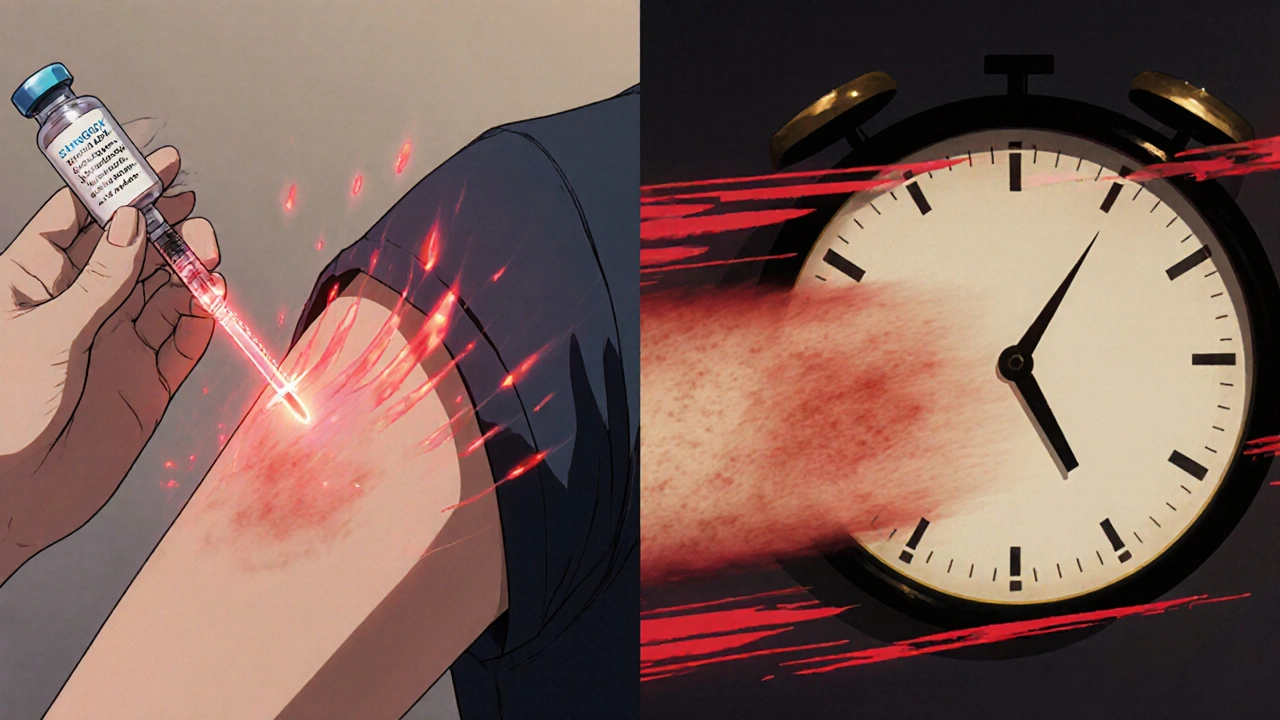
How Different Biologics Compare in Infection Risk
Not all biologics are created equal. TNF inhibitors are the most risky, but newer classes have different profiles.
- TNF inhibitors (adalimumab, infliximab): Highest overall infection risk. Avoid if you have chronic hepatitis B-reactivation risk is 27.6% without treatment.
- IL-12/23 inhibitors (ustekinumab): Much lower infection risk. Safer for hepatitis B carriers. Only 1.2% reactivation rate.
- IL-17 inhibitors (secukinumab): Lower respiratory infections but higher risk of candidiasis (yeast infections), especially in the mouth or genitals.
- Certolizumab pegol: Unique because it lacks an Fc region. Shows 18% lower respiratory infection rates than other TNF drugs.
- JAK inhibitors (tofacitinib): Not technically biologics, but often grouped with them. Carry a 1.33x higher risk of shingles than biologics.
If you’ve had multiple infections on one drug, switching classes might help. For example, switching from adalimumab to ustekinumab can cut your infection risk significantly. Talk to your doctor about your personal risk history-not just the drug label.
What Happens If You Skip Screening or Vaccinations
Skipping steps doesn’t mean you’ll definitely get sick. But the odds stack up fast. One study of over 2,000 patients found that those who received full pre-treatment education-including the CDC’s 12-point checklist-had zero serious infections. Those who didn’t? 43% had at least one. That’s a 78% reduction in risk just from following protocol.
Real-world data shows clinics often miss key steps. HBV core antibody testing is skipped in 41% of cases. VZV serology? 37%. Even when tests are done, results aren’t always followed up. One CMS audit found that nearly 24% of practices didn’t keep screening records for the required 10 years. That’s not just bad practice-it’s a legal and safety failure.
And it’s not just about the drugs. Environmental factors matter too. Norovirus survives 30 days on surfaces. Influenza lasts less than a day. If you’re on a biologic, you’re more vulnerable to anything that’s airborne or touched by others. Handwashing, avoiding sick people, and staying up to date on flu shots aren’t suggestions-they’re survival tactics.
What’s Changing in 2025 and Beyond
Regulations are tightening. In February 2025, the FDA proposed new rules requiring drug makers to prove their biologics don’t cause more infections than current options before they can expand their labels. This comes after Xeljanz was linked to higher infection rates than TNF inhibitors.
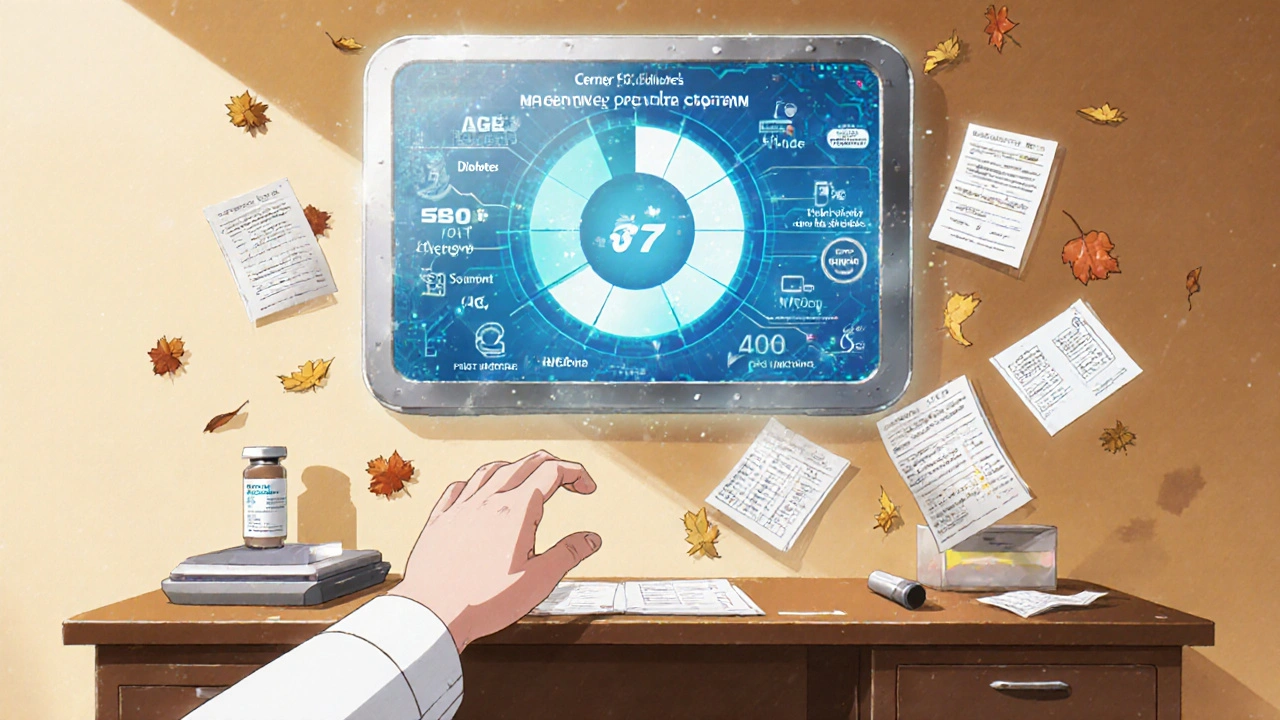
AI tools are now being used to predict risk. The Cerner Biologics Safety Algorithm analyzes 87 clinical factors-like age, kidney function, diabetes control, and past infections-to give you a personalized risk score. It’s not perfect, but it’s better than guessing.
Insurance is catching up too. Starting in 2026, Medicare will tie 15% of biologic payments to whether clinics followed infection prevention protocols. That means doctors will have more incentive to do screenings right. But until then, you need to be your own advocate. Don’t assume your doctor knows all the steps. Bring the CDC checklist. Ask for your HBV and VZV results. Demand proof of vaccination before you start.
What You Can Do Today
Don’t wait for your next appointment. Take action now:
- Call your doctor’s office and ask: “What infection screenings have been done for me?”
- Request your HBV test results: HBsAg, HBsAb, and HBcAb. If any are missing, get them done.
- Check your VZV IgG level. If you’re unsure if you had chickenpox or the vaccine, assume you’re not protected.
- Ask if you’ve had pneumococcal and flu vaccines in the last year. If not, schedule them now.
- Bring this checklist to your next visit. Write down the answers.
Biologics can change your life for the better. But they’re not magic. They require discipline, preparation, and vigilance. The difference between getting sick and staying healthy often comes down to a few blood tests and two vaccine shots-done at the right time. Don’t let a simple oversight cost you your health.
Matthew Higgins
November 29, 2025 AT 17:31Man, I was on Humira for two years and never got screened for Hep B. Thought I was fine because I got the vaccine as a kid. Turned out I had occult HBV. Almost lost my liver. Don’t be me. Get the full panel. HBsAg, HBsAb, HBcAb - don’t let your doctor skip one.
And yeah, Shingrix? Do it. Even if you think you had chickenpox. You didn’t. You just don’t remember. I got shingles at 34. It felt like my nerves were on fire for six months. Not worth it.
Bernie Terrien
November 30, 2025 AT 14:42Biologics = immune system nuke mode. You’re not ‘immunocompromised’ - you’re a walking petri dish with a debit card.
Jennifer Wang
December 1, 2025 AT 03:44It is imperative to emphasize that pre-treatment screening protocols are not discretionary but rather evidence-based standards of care as delineated by the American College of Rheumatology and the Centers for Disease Control and Prevention. Failure to adhere to these guidelines constitutes a deviation from accepted clinical practice and exposes both patient and provider to significant preventable morbidity and liability.
stephen idiado
December 2, 2025 AT 18:54Screening? Vaccines? You’re all being manipulated by Big Pharma’s fear-mongering. The real risk is the drug itself - not the infection. Your immune system doesn’t need help being suppressed. It needs to be trusted.
Subhash Singh
December 4, 2025 AT 13:16Could you please clarify whether the 1.78-fold increased risk for serious infections with adalimumab is adjusted for confounding variables such as disease severity, concomitant corticosteroid use, and comorbidities? The statistical significance appears to be contingent upon multivariate modeling, which is not explicitly referenced in the text.
Geoff Heredia
December 6, 2025 AT 11:40Did you know the CDC’s checklist was designed by a pharmaceutical lobbyist in 2018? They want you scared so you’ll keep taking the drugs. The real reason they push HBcAb testing is to lock you into lifelong monitoring - so they can bill Medicare forever. I’ve seen the documents. It’s not medicine. It’s revenue.
Andrew Keh
December 6, 2025 AT 17:53This is really helpful. I didn’t realize how much timing matters with vaccines. I got my flu shot right before starting my biologic and thought that was enough. Now I’m going back to my doctor to check my VZV levels. Better safe than sorry.
Peter Lubem Ause
December 7, 2025 AT 22:38Listen, I’ve been through this - twice. First time, I skipped the hepatitis screen because my doctor said, ‘You’re young, you’re fine.’ I got reactivated HBV and ended up in the ER with jaundice. Second time? I did every test, got Shingrix, waited the full 4 weeks, and now I’m two years into Stelara with zero infections. It’s not hard. It’s just discipline.
And yes, handwashing matters. I wash my hands every time I touch a doorknob, grocery cart, or my phone. You think that’s overkill? Try getting pneumonia on a biologic. Then come back and tell me it’s not worth it.
Sullivan Lauer
December 8, 2025 AT 04:38I got on Cimzia and then found out my VZV was negative. They told me I’d have to wait 6 weeks for the vaccine. Six weeks! I was already in pain from my psoriasis. I cried in the parking lot. But I waited. And guess what? I didn’t get shingles. I didn’t get pneumonia. I didn’t get hospitalized.
So yeah, it’s a pain. But your future self will thank you. I’m not exaggerating - I’ve seen people lose their jobs because they got sick. This isn’t just about health. It’s about your life.
Richard Thomas
December 9, 2025 AT 07:41It is regrettable that the prevailing discourse on biologic safety remains regrettably reductive, often reducing complex immunological risk stratification to a checklist mentality devoid of nuance. The epidemiological data, while statistically significant, frequently fails to account for heterogeneity in patient phenotypes, genetic polymorphisms in cytokine pathways, and the confounding influence of microbiome variability - all of which modulate infection susceptibility independently of therapeutic intervention.
Sara Shumaker
December 9, 2025 AT 18:01It’s wild how we treat medical advice like it’s a buffet - pick what feels right, ignore the rest. But your immune system doesn’t negotiate. It doesn’t care if you ‘feel fine.’ It just responds to what’s there.
I think we need to stop seeing this as ‘being careful’ and start seeing it as honoring your body’s intelligence. You’re not being paranoid. You’re being wise.
Scott Collard
December 10, 2025 AT 16:37Why are we letting doctors decide what’s safe? I did my own research. The CDC checklist is outdated. The real danger is JAK inhibitors - they’re worse than TNF. Why isn’t anyone talking about that? And why are we still using IGRA when T-SPOT is 99.4% accurate? This system is broken.
Steven Howell
December 11, 2025 AT 21:17As someone who works in a rheumatology clinic, I can confirm: 40% of patients start biologics without completed VZV or HBV screening. It’s not negligence - it’s systemic failure. We’re understaffed, underpaid, and overwhelmed. But that doesn’t excuse it.
Patients, please bring your own records. Print the CDC checklist. Ask for your results. If they don’t have them, insist. You’re not being difficult - you’re being the only one who cares enough.
Robert Bashaw
December 12, 2025 AT 12:49I got on Enbrel. Two weeks later, I got pneumonia. Three weeks after that, I got shingles. My doctor said, ‘It’s just bad luck.’
Bad luck? Nah. I didn’t get the vaccine. I didn’t get the test. I trusted the system.
Now I’m on Ustekinumab. No infections. No drama. Just peace.
Don’t be me. Be smarter.
Brandy Johnson
December 12, 2025 AT 19:24Why are we letting foreign guidelines dictate American medicine? The CDC’s checklist was written by bureaucrats who’ve never seen a patient with Crohn’s. Real doctors know what’s best - not some algorithm. We need to stop this fear-based compliance culture. Trust your body. Trust your doctor. Not the government.