
Chronic Alcohol Use Disorder: Health Risks and Treatment Options
 Feb, 26 2026
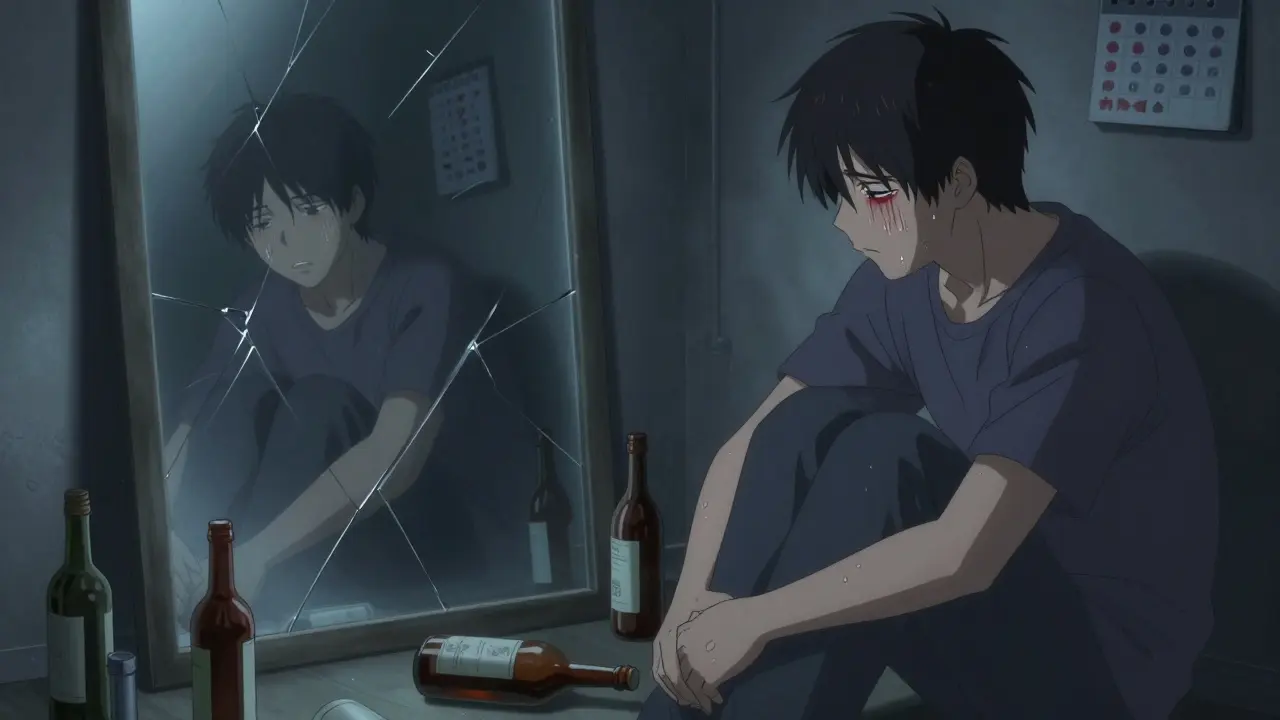
Chronic Alcohol Use Disorder (AUD) isn't just about drinking too much. It's a medical condition where your brain and body become so dependent on alcohol that stopping feels impossible-even when it's destroying your health, relationships, or job. This isn't weakness. It's biology. Every time you drink, alcohol changes how your brain sends signals. Over time, your body starts to need it just to feel normal. And when you try to quit, your system goes into chaos. That's what makes AUD so hard to beat on your own.
How Alcohol Changes Your Body
Alcohol doesn’t just affect your liver. It touches nearly every system in your body. The first sign? Tolerance. You need more drinks to get the same effect. That’s your body adapting. Then comes dependence. Skip a few drinks, and your hands shake. Your heart races. You feel dizzy, nauseous, or anxious. These aren’t "bad habits"-they’re physical withdrawal symptoms. The National Institute on Alcohol Abuse and Alcoholism says heavy drinking means bingeing (4+ drinks for women, 5+ for men) on five or more days in a month. That’s not occasional. That’s a pattern that rewires your brain.
Long-term use damages your liver in stages. First, fat builds up-fatty liver. Nearly 90% of heavy drinkers have this. Then inflammation hits: alcoholic hepatitis. Your liver cells start dying. Finally, scarring takes over: cirrhosis. At this point, your liver can’t filter toxins, produce proteins, or store energy. The good news? If you stop drinking early, some of this damage can reverse. But once cirrhosis is advanced, it’s permanent.
The Hidden Damage: Beyond the Liver
Most people think of liver damage when they hear "alcoholism." But the real danger is what happens everywhere else. Your heart? Heavy drinking raises your blood pressure by 16% and increases your risk of stroke by 34%. It also spikes your chance of atrial fibrillation-a dangerous irregular heartbeat-by 40%. Your pancreas? It gets inflamed, leading to chronic pain and diabetes risk. Your immune system? It weakens. Alcoholics are 2.7 times more likely to get pneumonia. Your brain? It shrinks. Memory fades. Thinking slows. Some people develop Wernicke’s encephalopathy, a brain disorder from vitamin B1 deficiency. Symptoms? Confusion, wobbly walking, and weird eye movements. Left untreated, it can turn into Korsakoff’s syndrome-a permanent form of dementia.
And then there’s cancer. Heavy drinkers have five times the risk of mouth and throat cancer. Breast cancer risk goes up 12% for every daily drink. Liver cancer, bowel cancer, and esophageal cancer all climb with long-term use. The American Cancer Society doesn’t mince words: alcohol is a proven carcinogen.
What AUD Does to Your Mind
Alcohol starts as a social drink. Then it becomes a coping tool. You use it to sleep, to calm anxiety, to escape. But over time, it makes those problems worse. Depression and anxiety don’t just coexist with AUD-they’re fueled by it. The brain’s natural serotonin and dopamine systems get shut down. You stop feeling pleasure from anything but alcohol. Relationships break. Jobs vanish. Money disappears. Homelessness becomes real. In South Africa, where access to mental health care is uneven, this spiral hits hard. Many people don’t realize their depression is tied to alcohol until they stop drinking-and suddenly, their mood lifts.
There’s also the "alcoholic face"-redness, puffiness, broken capillaries. It’s not just cosmetic. It’s a sign of inflammation, poor circulation, and liver stress. Balance suffers. Falls increase. Coordination fades. These aren’t "signs of a drunk person." They’re signs of neurological damage.
Treatment Isn’t One-Size-Fits-All
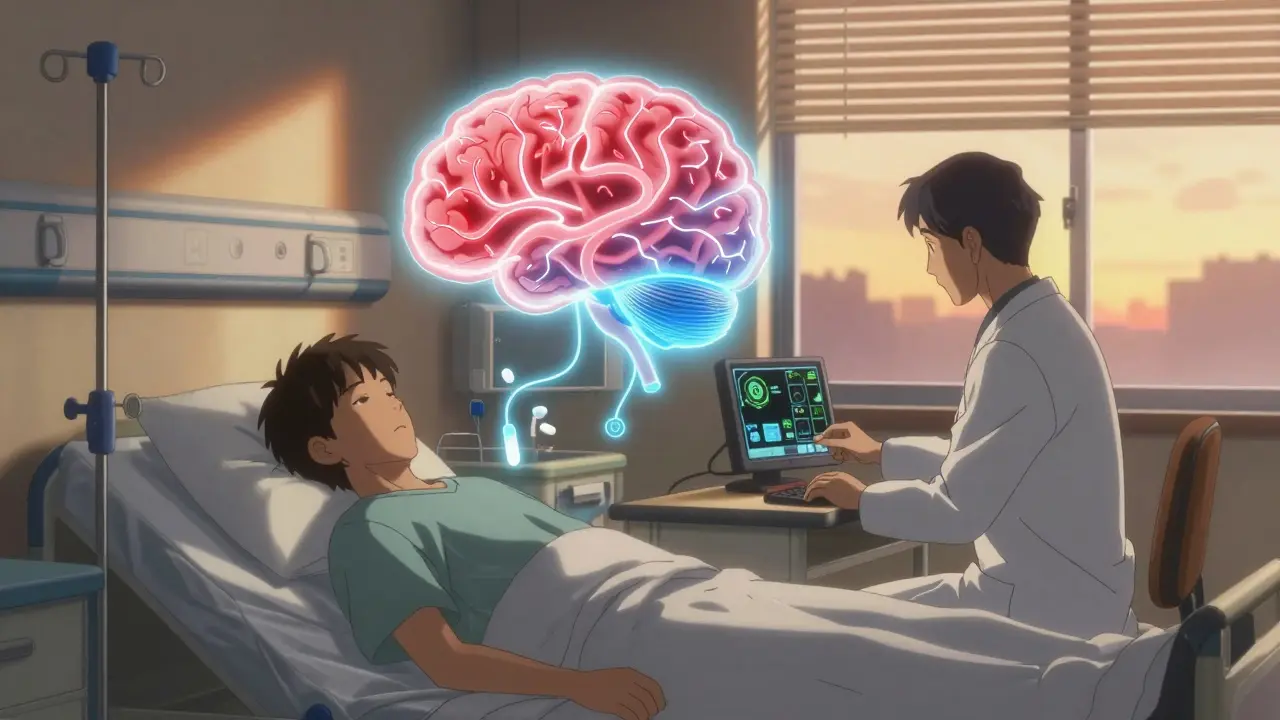
There’s no magic cure. But there are proven ways to recover. The first step? Detox. For people with severe dependence, quitting cold turkey can trigger seizures or delirium tremens-a life-threatening shake-out. Medical supervision is critical. Hospitals use benzodiazepines to ease withdrawal safely. This isn’t "enabling." It’s emergency care.
After detox, treatment shifts to rebuilding. Three FDA-approved medications help:
- Naltrexone blocks the pleasurable effects of alcohol. Less reward = less craving.
- Acamprosate stabilizes brain chemistry. It helps reduce the constant urge to drink.
- Disulfiram makes drinking unpleasant. If you drink, you get sick-nausea, pounding heart, flushing. It’s a deterrent.
Medication alone isn’t enough. Behavioral therapy is the backbone of recovery. Cognitive Behavioral Therapy (CBT) teaches you to spot triggers-stress, boredom, social pressure-and replace drinking with healthier responses. Studies show CBT reduces heavy drinking days by 60%. Motivational Enhancement Therapy (MET) helps you find your own reasons to quit. You don’t need to be "ready" to change. You just need to want something better.
Support Systems Work
Alcoholics Anonymous (AA) isn’t for everyone. But for many, it’s a lifeline. The 12-step model gives structure, accountability, and community. Their own data shows 27% of members stay abstinent after one year. That’s not perfect-but it’s better than going it alone. Newer peer networks, like SMART Recovery, focus on science-backed tools instead of spirituality. Both work. The key? Connection. Isolation is alcohol’s best friend. Recovery needs people.
And technology is stepping in. Apps like reSET, approved by the FDA, deliver CBT through your phone. In trials, users were twice as likely to stay sober compared to those without support. Transcranial Magnetic Stimulation (TMS)-a non-invasive brain therapy-showed 50% abstinence rates in a 2022 study. It’s not widely available yet, but it’s coming.

Why Most People Don’t Get Help
Only 19.2% of Americans with AUD get treatment. Why? Stigma. Shame. Fear. Belief that "you just need willpower." But AUD isn’t a choice. It’s a brain disease. You wouldn’t tell someone with diabetes to "just stop eating sugar." Why treat AUD differently?
Access is another barrier. In rural areas or low-income communities, counselors are scarce. Medications are expensive. Insurance doesn’t always cover it. In Durban, where I live, public clinics are overwhelmed. Private care is out of reach for many. That’s why community programs, church groups, and mobile clinics are so vital. Recovery doesn’t require a hospital. It requires support.
Recovery Is Possible
People do recover. Every day. Not because they’re "stronger." But because they got the right help at the right time. A man in Johannesburg stopped drinking after his third liver hospitalization. Two years later, his blood work is normal. A woman in Cape Town quit after her daughter said, "I don’t recognize you." She’s now a peer counselor. Recovery isn’t about perfection. It’s about progress. One day at a time.
Stopping alcohol doesn’t mean losing joy. It means regaining control. Sleep. Clarity. Relationships. Your body starts healing within weeks. Your mood lifts. Your energy returns. You remember what life felt like before alcohol became the center of everything.
Can you recover from liver damage caused by alcohol?
Yes-but only if you stop drinking completely. Fatty liver and mild inflammation can reverse within weeks or months. Alcoholic hepatitis may improve significantly with abstinence. But once cirrhosis (scarring) sets in, the damage is permanent. The liver can’t regrow scar tissue. Still, stopping alcohol halts further damage and gives your liver the best chance to heal what it can. The earlier you quit, the better your outcome.
Is AUD the same as alcoholism?
Yes, but "alcoholism" is an outdated term. The medical community now uses Alcohol Use Disorder (AUD) to describe the full spectrum-from mild to severe. The DSM-5, the official diagnostic guide, combines what used to be called "alcohol abuse" and "alcohol dependence" into one diagnosis. This helps doctors treat the condition based on severity, not labels. So if someone says they’re an "alcoholic," they’re likely describing severe AUD.
What’s the difference between binge drinking and AUD?
Binge drinking is a pattern: 4+ drinks for women or 5+ for men in about two hours. It’s dangerous, but not everyone who binges has AUD. AUD is diagnosed when drinking causes loss of control, cravings, withdrawal, or harm to health, relationships, or responsibilities. Someone can binge occasionally without being dependent. But frequent bingeing increases your risk of developing AUD over time.
Do medications for AUD just replace one addiction with another?
No. Medications like naltrexone, acamprosate, and disulfiram don’t create addiction. They don’t produce euphoria or cravings. Naltrexone blocks alcohol’s pleasurable effects. Acamprosate helps stabilize brain chemistry. Disulfiram makes drinking unpleasant. These tools reduce urges and support sobriety. They’re like insulin for diabetes-not a cure, but a way to manage a chronic condition. When combined with therapy, they’re highly effective.
How long does it take to feel normal after quitting alcohol?
Withdrawal peaks in 24-72 hours and usually fades within a week. But your brain and body need longer to heal. Sleep improves after 2-4 weeks. Mood stabilizes around 6-8 weeks. Cravings can linger for months. Many people report feeling "like themselves" again after 6-12 months. Healing isn’t linear. Some days are harder. But with support, your body relearns how to function without alcohol.
What to Do Next
If you or someone you care about is struggling with alcohol, you’re not alone-and help exists. Start with a simple question: "Has drinking caused problems in my life?" If the answer is yes, it’s time to act. Talk to a doctor. Call a helpline. Try a support group. You don’t need to hit rock bottom to deserve help. Recovery doesn’t require perfection. It just requires a first step.
Sumit Mohan Saxena
February 26, 2026 AT 14:12Chronic Alcohol Use Disorder represents a complex neurobiological adaptation rather than a moral failing. The neurochemical cascade involving dopamine, glutamate, and GABA systems creates a self-reinforcing loop that undermines executive function. Pharmacological interventions such as naltrexone and acamprosate are supported by Level I evidence for reducing relapse rates. The key to sustained recovery lies in multimodal treatment combining pharmacotherapy with cognitive behavioral therapy, which targets maladaptive cue reactivity and craving pathways.
Sneha Mahapatra
February 27, 2026 AT 13:04I’ve seen this play out in my family. My uncle stopped drinking after his third hospitalization. The first week was hell-shaking, insomnia, nightmares. But after three months? He started painting again. He remembered how to laugh without a glass in his hand. It wasn’t about willpower. It was about giving his brain time to unlearn the lie that alcohol was the only way to feel okay. 🌱
Byron Duvall
February 27, 2026 AT 14:44They say AUD is a disease, but what about the fact that Big Pharma profits off this? Naltrexone costs $300 a month. Insurance won’t cover it unless you’re ‘severe enough.’ Meanwhile, the same companies sell antidepressants for the depression alcohol caused. It’s a cycle designed to keep people dependent on meds, not free. Wake up.
Katherine Farmer
February 28, 2026 AT 12:19How quaint. A well-researched, clinically accurate piece. But let’s be honest-this is the kind of content that only appeals to those who’ve read DSM-5 cover to cover. Real people don’t think in terms of 'neuroadaptation' or 'FDA-approved medications.' They think: 'I can’t stop.' And that’s the only truth that matters. The rest is academic noise.
Sophia Rafiq
March 1, 2026 AT 00:31Ajay Krishna
March 1, 2026 AT 13:27What’s powerful here is how this isn’t just about biology-it’s about access. In rural India, there’s no therapist within 100 miles. But there’s a temple. A community. A neighbor who’s been sober for 12 years. Recovery doesn’t need a clinic. It needs someone who says, ‘I’ve been there, and you’re not alone.’ Medications help, but connection heals.
Noah Cline
March 2, 2026 AT 21:50The data is cherry-picked. Yes, naltrexone reduces cravings-but what about the 40% who don’t respond? And acamprosate? It’s only marginally better than placebo in real-world settings. Meanwhile, the article ignores the fact that many who quit cold turkey without meds have higher long-term abstinence rates. This is therapeutic paternalism dressed as science.
Full Scale Webmaster
March 4, 2026 AT 21:27Let’s cut through the fluff. This whole narrative is a distraction. Alcohol isn’t the problem. It’s the symptom. The real issue? The collapse of social fabric. People drink because they’re lonely. Because jobs are soul-crushing. Because the American Dream is a lie sold by corporations and therapists who charge $200/hour. AA? It’s just a cult with better PR. The system wants you to believe you’re broken so you keep buying solutions. The truth? You’re not broken. The world is. And until we fix that, no pill, no therapy, no 12-step will save you.
Brandie Bradshaw
March 4, 2026 AT 22:32It’s alarming how often we reduce addiction to a biological equation-when the psychological, existential, and spiritual dimensions are equally, if not more, critical. The brain doesn’t just ‘rewire’-it screams. And when we silence that scream with medication, we’re not healing. We’re sedating. What about the trauma? The grief? The unprocessed childhood wounds? These aren’t footnotes. They’re the root.
Angel Wolfe
March 5, 2026 AT 11:30Who wrote this? A government shill? Alcohol is natural. It’s in wine, beer, cider. They call it a disorder because they want to control what you put in your body. Next they’ll say caffeine is an addiction. Or sugar. Or sunlight. This is how they turn freedom into a diagnosis. Wake up. You’re not sick. You’re being manipulated.
Eimear Gilroy
March 6, 2026 AT 05:31Interesting how the piece mentions South Africa and Durban but doesn’t address the role of poverty and systemic neglect. In many communities, alcohol isn’t just a coping mechanism-it’s the only affordable relief from unemployment, violence, and hopelessness. Treatment without structural support is like giving a life jacket to someone in a flood. You need boats, too.
Charity Hanson
March 7, 2026 AT 21:42YOU CAN DO THIS. I was where you are. I drank every night. I thought I needed it to sleep. Then I started walking 20 minutes before bed. Just walking. No phone. Just me and the night. After 3 weeks? I slept better than I ever had. No pills. No AA. Just a choice. One day. One step. You got this. I believe in you.