
Cold and Flu Medications While Pregnant: Safe Options vs. What to Avoid
 Aug, 18 2026
Feeling miserable with a nasty cold while eight months pregnant? It’s a tough spot. You want relief, but you’re terrified of harming the baby. The truth is, most over-the-counter cold and flu medications are either safe or risky, depending entirely on the ingredients. Ignoring a fever can be just as dangerous as taking the wrong pill, so knowing exactly what goes in your body matters more than ever.
You don’t need to white-knuckle through sinus pressure or a hacking cough. With the right knowledge, you can treat your symptoms effectively without guessing. This guide breaks down what doctors actually recommend, based on the latest data from major health organizations like ACOG and the CDC, so you can make confident decisions at the pharmacy counter.
The Gold Standard: What Is Actually Safe
When it comes to pain and fever, Acetaminophen (known as Tylenol in the US) is the go-to choice for almost all trimesters. Major studies, including one monitoring over 50,000 mother-child pairs, have found no increased risk of birth defects when used as directed. It’s the first line of defense for headaches, body aches, and fevers that spike above 100.4°F (38°C).
For coughs, the safety depends on the type. If you have a dry, tickly cough, Dextromethorphan (found in Robitussin) is generally considered safe for short-term use. Research following hundreds of pregnancies showed no adverse outcomes for babies exposed to this ingredient in the first trimester. However, if your cough is wet and productive, you might look at Guaifenesin (plain Mucinex), which helps thin mucus so you can clear it out. Both should be used at the lowest effective dose for the shortest time possible.
Allergies often accompany colds, causing post-nasal drip and sneezing. Second-generation antihistamines like Loratadine (Claritin) and Cetirizine (Zyrtec) are preferred because they cause less drowsiness than older options and have established safety profiles. Topical treatments like mentholated rubs (Vicks Vapor Rub) and simple saline nasal sprays are also excellent non-drug alternatives that carry zero systemic risk.
The Red Flags: Ingredients to Avoid
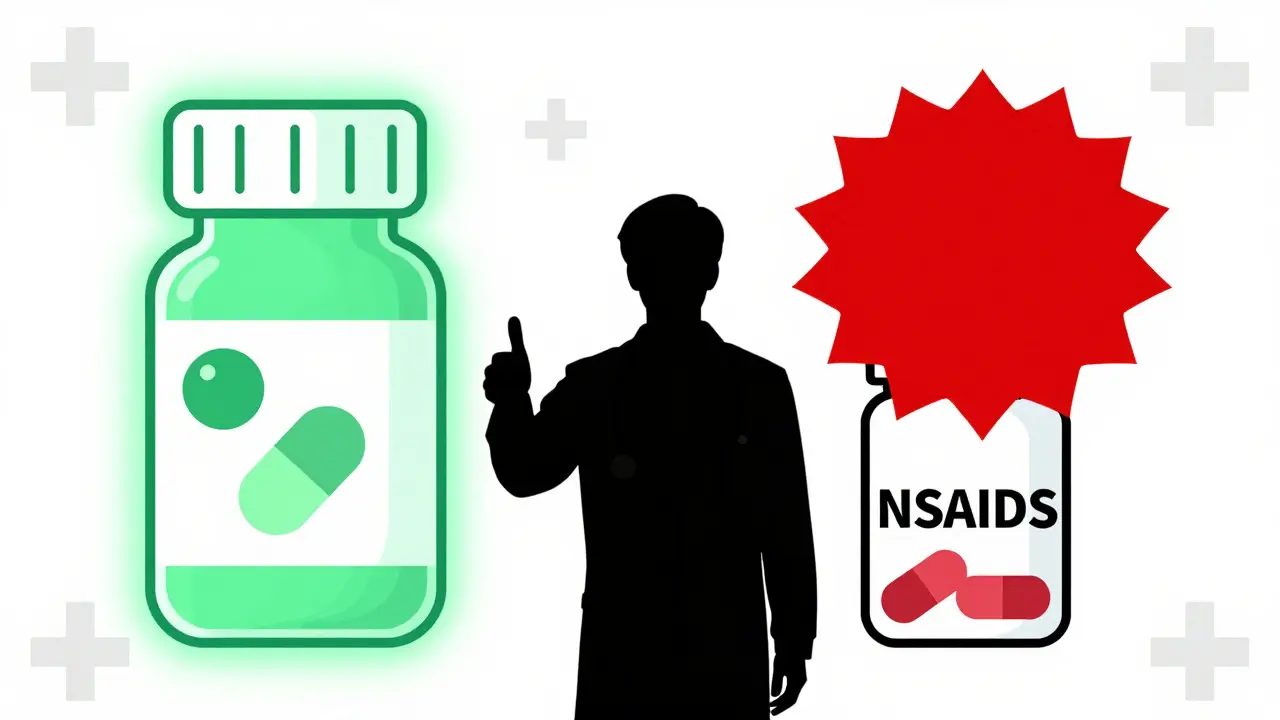
This is where many women get tripped up. The biggest enemy during pregnancy is the NSAID family. You need to steer clear of Ibuprofen (Advil, Motrin), Naproxen (Aleve), and high-dose aspirin unless specifically prescribed by your doctor. These drugs can affect blood flow to the placenta and close a critical fetal blood vessel called the ductus arteriosus, especially in the third trimester. Even though they feel stronger than acetaminophen, the risk isn't worth it for a standard cold.
Decongestants are another gray area that leans heavily toward caution. Phenylephrine (often found in Sudafed PE) is widely listed as unsafe or to be avoided due to limited data and potential cardiovascular effects. Pseudoephedrine (regular Sudafed) has conflicting advice; some providers allow it briefly after the first trimester, while others advise against it entirely because it can reduce uterine blood flow. When in doubt, skip the pills and use steam inhalation or saline rinses instead.
Watch out for combination products. Brands like DayQuil and NyQuil pack multiple ingredients into one capsule. While the caplets (solid form) might be acceptable for some, the liquid versions often contain alcohol, which adds an unnecessary variable. More importantly, these combos frequently include phenylephrine or other decongestants you’d rather avoid. It’s safer to buy single-ingredient products so you know exactly what you’re swallowing.
Flu Antivirals: When Treatment Beats Risk
If you suspect the flu rather than a common cold, the rules change slightly. Untreated influenza poses a higher risk to the mother-leading to pneumonia or hospitalization-which indirectly harms the baby. In these cases, antiviral medication is often recommended. Oseltamivir (Tamiflu) is the preferred treatment. Studies show no increased risk of birth defects, and the American College of Obstetricians and Gynecologists (ACOG) strongly supports its use if started within 48 hours of symptom onset. Zanamivir is a secondary option, but baloxavir is currently not recommended due to a lack of safety data in pregnancy.
Vaccination remains the best prevention strategy. The CDC recommends the inactivated flu shot for all pregnant women in any trimester. Additionally, newer guidelines endorse the RSV vaccine (Abrysvo) for women between 32 and 36 weeks gestation to protect newborns from respiratory syncytial virus. Getting vaccinated doesn't mean you're immune to catching a bug, but it ensures that if you do get sick, it's likely to be milder.
Navigating Herbal Supplements and Home Remedies
It’s tempting to reach for herbal teas or supplements labeled "natural," but natural doesn't always mean safe. The FDA does not regulate dietary supplements the same way it regulates drugs, meaning there is often insufficient research on how they affect pregnancy. Echinacea, for example, lacks robust safety data for expectant mothers. Stick to proven home remedies: hydration, rest, warm broth, and honey (for adults and children over one year old) for soothing a sore throat. These methods work synergistically with safe medications to help your body fight off the infection.

Quick Comparison: Safe vs. Unsafe Ingredients
| Ingredient / Brand Example | Status in Pregnancy | Key Notes |
|---|---|---|
| Acetaminophen (Tylenol) | Safe | First-line for fever/pain. Use lowest dose. |
| Dextromethorphan (Robitussin) | Safe (Short-term) | Good for dry coughs. Avoid alcohol-based liquids. |
| Guaifenesin (Mucinex) | Safe | Helps thin mucus. Plain version preferred. |
| Loratadine/Cetirizine (Claritin/Zyrtec) | Safe | Second-gen antihistamines. Less drowsy. |
| Ibuprofen/Naproxen (Advil/Aleve) | Avoid | NSA>NSAIDs. Risk to fetal circulation, esp. 3rd trimester. |
| Phenylephrine (Sudafed PE) | Avoid | Decongestant with limited safety data. |
| Pseudoephedrine (Sudafed) | Use Caution | Conflicting advice. Ask provider before use. |
| Oseltamivir (Tamiflu) | Recommended (If Flu) | Antiviral. Start within 48 hours of symptoms. |
Practical Steps for Managing Symptoms
Before you even think about buying medicine, try the non-pharmacological route first. Drink plenty of fluids to stay hydrated, which helps loosen mucus. Use a humidifier in your bedroom to keep airways moist, especially if the heat is drying them out. Saline nasal sprays or rinses can relieve congestion without any drug absorption. Rest is not optional; your immune system needs energy to fight the virus. If you must use medication, read the label carefully to ensure it contains only one active ingredient you’ve verified as safe.
Keep a log of your symptoms and temperatures. If your fever persists for more than two days, or if you experience difficulty breathing, chest pain, or signs of dehydration, contact your healthcare provider immediately. They can determine if you need prescription-strength treatment or further evaluation. Remember, the goal is to manage discomfort safely, not to cure the cold instantly, as viruses run their course regardless of medication.
Is it okay to take NyQuil or DayQuil while pregnant?
It depends on the formulation. Liquid versions often contain alcohol, which is best avoided. Solid caplets may be acceptable for some, but they often contain phenylephrine, a decongestant that many experts advise avoiding. It is safer to use single-ingredient products like acetaminophen for pain and dextromethorphan for cough separately.
Can I take ibuprofen (Advil) for a headache in my second trimester?
Generally, no. While the risk is highest in the third trimester, many obstetricians recommend avoiding NSAIDs like ibuprofen throughout pregnancy to prevent any potential issues with fetal kidney function or blood vessels. Acetaminophen is the safer alternative for headaches.
What is the safest way to unclog a stuffy nose during pregnancy?
Start with saline nasal sprays or neti pot rinses, which are drug-free and very effective. Steam inhalation from a hot shower or bowl of water also helps. If you must use medication, consult your doctor about pseudoephedrine, but be aware that phenylephrine is typically advised against.
Should I get the flu shot if I am already pregnant?
Yes. The CDC and ACOG recommend the inactivated flu vaccine for all pregnant women in any trimester. It protects both you and your baby from severe complications of influenza, which can be much more dangerous during pregnancy.
Are herbal supplements like echinacea safe for colds?
There is not enough research to confirm their safety during pregnancy. Since the FDA does not strictly regulate supplements, quality and dosage can vary. It is best to stick to well-studied remedies like honey, ginger tea, and saline rinses until you speak with your provider.