
FDA Foreign Facility Inspections: New Rules for Overseas Plants in 2026
 May, 15 2026
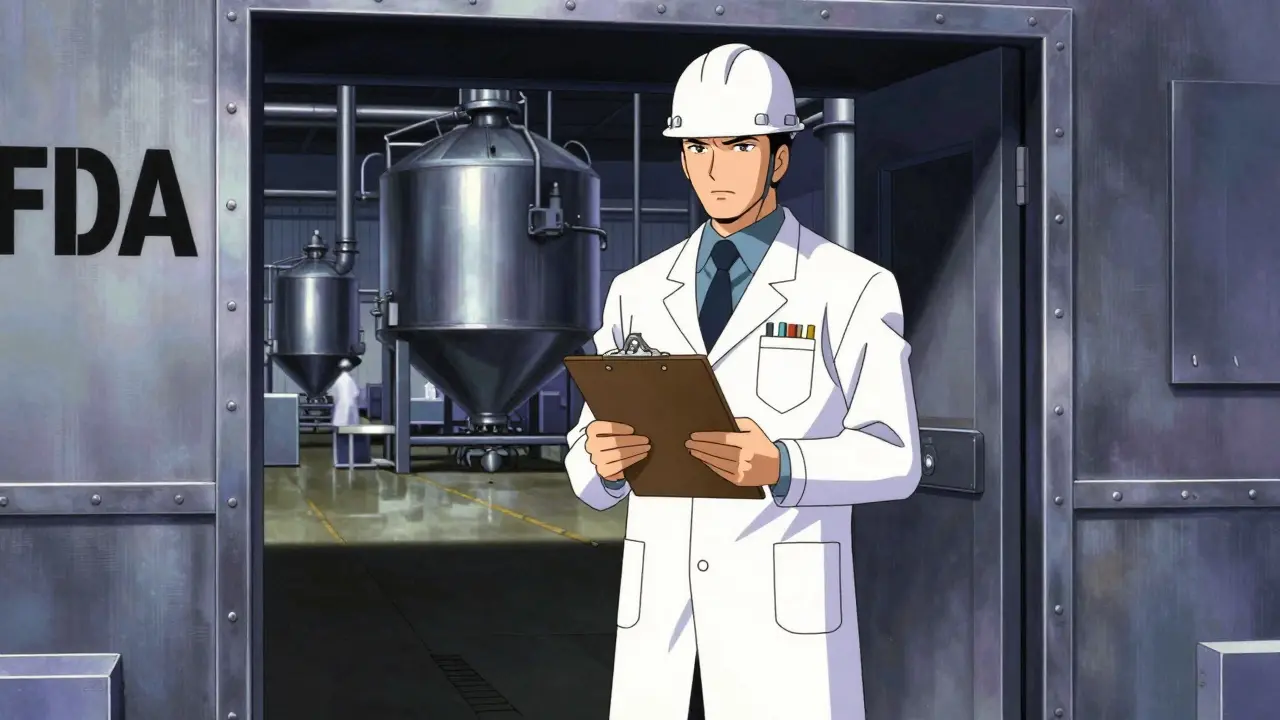
The landscape of foreign facility inspections by the U.S. Food and Drug Administration (FDA) has changed dramatically. If you manage an overseas plant exporting food to the United States, the days of receiving weeks' notice before an inspector arrives are over. Starting in mid-2024, the FDA began implementing a policy that aligns foreign inspections with domestic standards: they are now largely unannounced. This shift eliminates what former FDA Commissioner Martin A. Makary called a "double standard," ensuring that American consumers get the same level of protection whether their food is grown in Iowa or manufactured in India.
This change isn't just about surprise visits; it represents a fundamental restructuring of how global supply chains are monitored under the Food Safety Modernization Act (FSMA)a law signed into effect in 2011 that shifted FDA focus from responding to contamination to preventing it. With approximately 15% of the U.S. food supply coming from abroad, the stakes for compliance have never been higher. For manufacturers, this means moving from periodic preparation to constant readiness.
Why the Shift to Unannounced Inspections?
Historically, the FDA treated foreign facilities differently than domestic ones. Overseas plants routinely received advance notice to coordinate logistics, such as travel arrangements for inspectors and hiring onsite translators. Domestic facilities, by contrast, faced unannounced inspections, allowing regulators to see operations in their true state. This discrepancy created a loophole where foreign plants could temporarily polish their practices specifically for inspection windows, potentially hiding systemic issues.
The new policy aims to close this gap. By removing advance notice, the FDA seeks to observe actual daily operations rather than rehearsed performances. This approach is critical for detecting subtle violations that might be masked during prepared inspections, such as inconsistent hygiene practices or undocumented process deviations. The goal is simple: ensure that the safety standards applied to a factory in California are identical to those applied to a factory in Vietnam.
| Feature | Pre-2024 Practice | Current Standard (2026) |
|---|---|---|
| Notice Period | Advance notice provided for logistics | Unannounced visits standard |
| Translator Arrangements | Facility often hired temporary translators | Facility must have bilingual staff available immediately |
| Travel Logistics | Facilities sometimes arranged lodging/transport | FDA investigators refuse industry-provided accommodations |
| Inspection Focus | Compliance documentation review | Real-time observation of manufacturing processes |
Risk-Based Selection: Who Gets Inspected First?
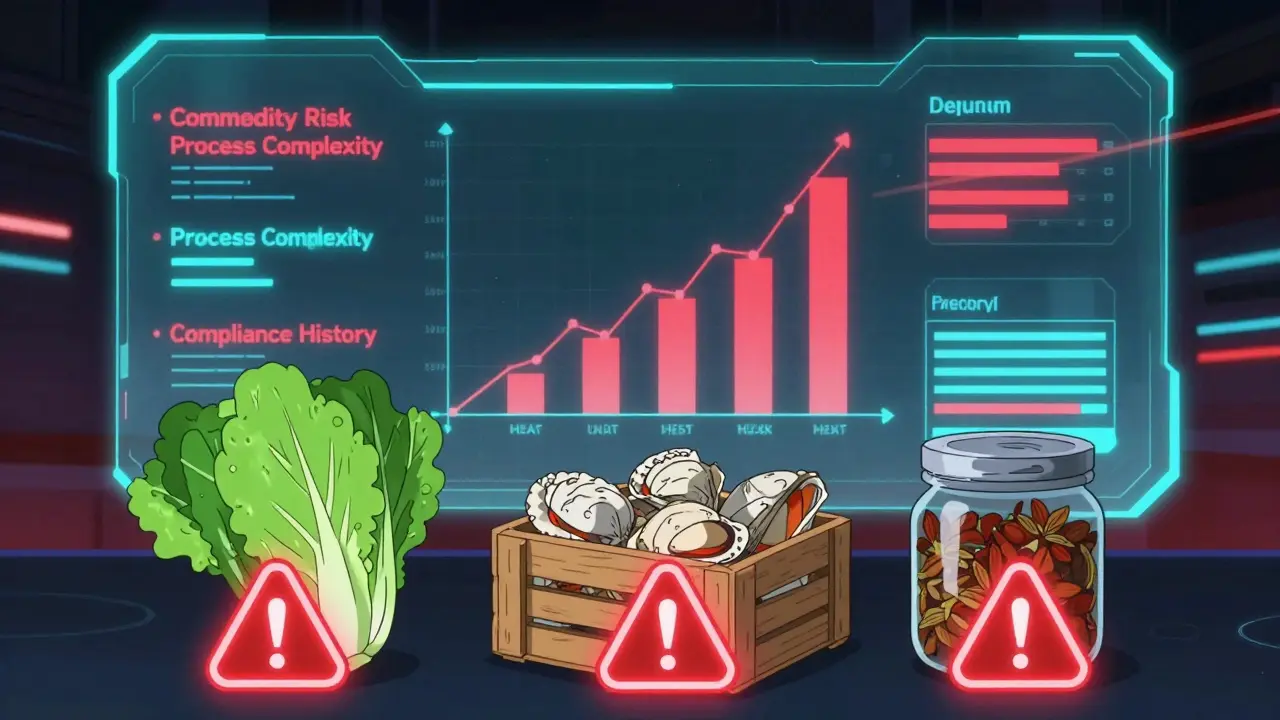
The FDA cannot inspect every single one of the roughly 300,000 registered foreign food facilities annually. Resources are limited, with estimates suggesting a ratio of one inspector to 1,500 facilities. Therefore, the agency uses a sophisticated risk-based selection model to prioritize who gets visited. Understanding these criteria is crucial for any export-oriented manufacturer.
Three primary factors drive inspection priority:
- Commodity Risk: Foods with a history of causing illness or containing allergens are flagged first. High-risk items include fresh produce, shellfish, and spices.
- Process Complexity: Facilities using complex manufacturing methods that introduce multiple opportunities for contamination are scrutinized more heavily.
- Compliance History: This is perhaps the most significant factor. Facilities with previous refusals of entry, warning letters, or poor performance in prior inspections are placed at the top of the list.
If your facility has a clean record and exports low-risk commodities, you may not see an inspector soon. However, if your products have ever been denied entry at the border, expect frequent, unannounced visits. The system is designed to punish repeat offenders and reward consistent performers, but "consistent" now means ready at all times.
Legal Authority and Enforcement Power
The FDA’s authority to inspect foreign facilities is rooted in Section 306 of FSMA and the Federal Food, Drug, and Cosmetic Act (FDCA). These laws grant investigators the right to enter facilities at reasonable times and inspect records, equipment, and processes. Crucially, the law mandates that food from facilities that refuse inspection will be refused admission into the United States.
Recent legal interpretations have strengthened this enforcement mechanism. Legal experts note that obstructing an inspection can lead to criminal charges. Actions such as unreasonably redacting records, limiting photography, or interrupting production to hide activities are no longer minor infractions. They can trigger Department of Justice involvement, resulting in substantial fines, forfeiture, and potential debarment from exporting to the U.S. market.
This escalation in enforcement signals that the FDA is serious about closing loopholes. It also means that local management in overseas plants must understand U.S. regulatory expectations deeply. Relying on third-party consultants to explain rules only after an inspection request is received is no longer a viable strategy.
Operational Impact on Overseas Manufacturers
For foreign manufacturers, the shift to unannounced inspections requires a complete overhaul of operational readiness. You can no longer treat inspections as annual events. Instead, you must operate as if an inspector could arrive any Tuesday morning.
Key operational changes include:
- Digital Documentation Systems: Paper records stored in distant archives are insufficient. All quality control logs, sanitation records, and traceability documents must be digitally accessible within minutes of an inspector's arrival.
- Bilingual Staffing: Hiring temporary translators is risky because they may not be available instantly. Employing permanent bilingual quality assurance staff ensures clear communication during high-pressure moments.
- Continuous Training: Line workers must be trained to maintain GMP (Good Manufacturing Practices) consistently, not just when they know an audit is coming. Culture change is essential here.
- Mock Inspections: Conducting internal, unannounced audits mimics the real experience and helps identify gaps in readiness before the FDA does.
Small family-owned operations often struggle with these demands compared to large enterprise-level manufacturers. This creates a two-tiered compliance environment where smaller players face higher risks of non-compliance due to resource constraints. Investing in digital tools and training is the only way to level the playing field.

Navigating Language and Cultural Barriers
Language barriers remain a significant challenge. Without advance notice, facilities cannot hire specialized interpreters who understand both technical food science terminology and legal nuances. Miscommunication during an inspection can lead to incorrect findings or unnecessary citations.
Cultural differences also play a role. In some regions, direct confrontation or immediate demand for records may be perceived as aggressive, leading to defensive responses from staff. U.S. inspectors are trained to follow specific protocols, but misunderstandings can still occur. Preparing staff to view inspections as collaborative safety checks rather than adversarial audits can reduce tension and improve outcomes.
Furthermore, the FDA’s refusal to accept lodging or transportation from regulated companies means inspectors will arrange their own logistics. While this maintains integrity, it can lead to scheduling delays if travel conditions are poor. Facilities should be prepared for inspectors to work efficiently despite logistical hurdles, without expecting the company to facilitate their comfort.
Future Outlook: What Comes Next?
The FDA is continuously refining its foreign inspection program. Future developments likely include more sophisticated risk assessment algorithms that use data analytics to predict compliance failures before they happen. There is also a growing emphasis on leveraging third-party auditors under strict FDA oversight to expand coverage capacity.
As global supply chains become more complex, the pressure on foreign facilities will only increase. The trend is toward greater transparency and stricter enforcement. Companies that proactively adopt high standards and invest in robust quality systems will find themselves with a competitive advantage. Those that rely on minimal compliance or hope to avoid scrutiny will face increasing risks of shipment refusals and reputational damage.
The message from Washington is clear: the U.S. market expects world-class safety, regardless of where the product originates. Adapting to this reality is not optional-it is the cost of doing business in America.
How much notice do I get before an FDA foreign facility inspection?
Under current policies implemented in 2024 and continuing into 2026, FDA inspections of foreign facilities are generally unannounced. You should expect no advance notice, similar to domestic inspections. This change was made to eliminate the "double standard" that previously allowed foreign plants time to prepare specifically for audits.
What happens if my facility refuses an FDA inspection?
Refusing an inspection triggers automatic refusal of admission for your food products into the United States under Section 306 of FSMA. Additionally, obstructing an inspection-such as withholding records or limiting photographer access-can lead to criminal charges, substantial fines, and potential debarment from the U.S. market.
How does the FDA decide which foreign facilities to inspect?
The FDA uses a risk-based model prioritizing facilities based on three factors: the inherent safety risk of the commodity (e.g., fresh produce vs. canned goods), the complexity of the manufacturing process, and the facility’s past compliance history, including any previous refusals of entry or warning letters.
Do I need to provide lodging or transport for FDA inspectors?
No. The FDA has explicitly barred its investigators from accepting lodging, transportation, or other travel arrangements from regulated companies. This policy ensures the integrity of the oversight process and prevents any appearance of impropriety. Inspectors arrange their own logistics.
What should I do if I don’t speak English fluently during an inspection?
You should have bilingual quality assurance staff permanently onsite who are available immediately. Since inspections are unannounced, relying on temporary translators hired after notice is no longer feasible. Clear communication is vital to avoid misunderstandings that could lead to incorrect citations.
Is the FDA increasing the number of foreign inspections?
Yes, the FDA is working to increase inspection frequency and efficiency. While resource constraints limit the total number of visits, the shift to unannounced inspections and better risk-targeting allows the agency to make each inspection more impactful. The goal is to restore confidence in the safety of imported foods.
Diana Wiechecka
May 17, 2026 AT 03:45So basically, if you're running a factory overseas, you better keep your house in perfect order 24/7. No more 'cleaning up for the guests' vibe. 🧐