
Generic Drug Recalls Explained: Triggers, Classes, and Safety Alerts
 Jul, 23 2026
Imagine popping your daily blood pressure pill, only to find out weeks later that the batch you took might contain glass particles or the wrong dose. It’s a nightmare scenario for patients and pharmacists alike. Generic drugs make up nearly 90% of prescriptions in the United States, yet they are often viewed as identical copies of brand-name medications. While chemically equivalent, the manufacturing processes differ, and when those processes fail, the consequences can be severe.
In 2024 alone, the U.S. Food and Drug Administration (FDA) documented 347 drug recalls. Of these, 87% were classified as Class I or Class II, meaning they posed significant health risks ranging from temporary illness to death. Understanding what triggers these actions is not just academic-it’s a matter of personal safety. This guide breaks down why generic drug recalls happen, how the classification system works, and what you should do if your medication is flagged.
How the Recall System Works
The modern framework for drug safety in the U.S. was established by the Federal Food, Drug, and Cosmetic Act of 1938 and significantly strengthened by the Kefauver-Harris Amendments of 1962. These laws mandated that all drugs must prove both safety and efficacy before hitting the market. Today, the FDA oversees the drug recall process, which functions primarily as a voluntary action taken by manufacturers.
About 98% of drug recalls are initiated voluntarily by the companies making the drugs. The FDA rarely mandates a recall directly; instead, it requests or recommends one based on evidence of quality failures. This collaborative approach aims to speed up the removal of dangerous products. However, this reliance on self-reporting creates vulnerabilities. If a manufacturer delays reporting an issue, patients remain at risk longer than necessary.
The system categorizes recalls into three classes based on severity:
- Class I: A reasonable probability that using the product will cause serious adverse health consequences or death.
- Class II: Temporary or medically reversible adverse health consequences with a low probability of serious harm.
- Class III: Violations unlikely to cause adverse health consequences, such as minor labeling errors.
Most recalls fall into Class I or II, indicating that most issues involve real health risks rather than mere paperwork errors.
| Recall Class | Risk Level | Typical Cause | Action Required |
|---|---|---|---|
| Class I | High (Death/Serious Harm) | Sterility lapses, wrong ingredient | Immediate stop, consult doctor |
| Class II | Moderate (Reversible Harm) | Contamination, potency issues | Monitor symptoms, switch meds |
| Class III | Low (Regulatory Violation) | Labeling typos, packaging flaws | Verify lot number, no panic |
What Triggers a Generic Drug Recall?
Not all recalls are created equal. Some stem from catastrophic manufacturing failures, while others arise from subtle supply chain glitches. According to MedShadow’s analysis of FDA data from 2012 to 2023, sterility lapses account for 37% of all drug recalls. This means bacteria or fungi found their way into sterile injectables or eye drops, posing immediate infection risks.
Other common triggers include:
- Particulate Matter Contamination (12%): Glass shards, metal fragments, or rubber particles ending up in pills or injections.
- Labeling Errors (9%): Wrong dosage instructions or incorrect drug names printed on bottles.
- Active Pharmaceutical Ingredient (API) Potency Issues (7%): The drug contains too much or too little of the active medicine, rendering it ineffective or toxic.
A stark example occurred in July 2024 when ICU Medical recalled potassium chloride injections. The labels stated 10 mEq, but the vials contained 20 mEq. For patients in intensive care, this double dose could have been fatal. Such errors highlight the critical importance of precise labeling and quality control checks.
The Foreign Manufacturing Gap
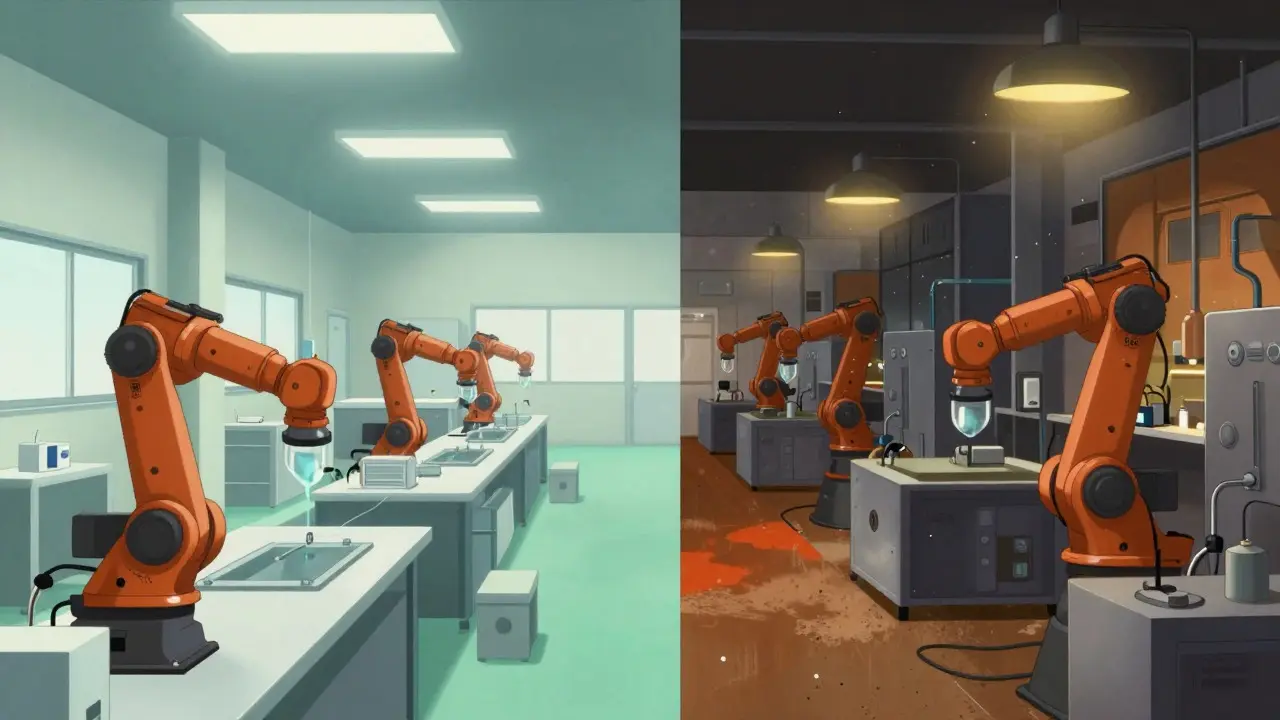
A significant portion of generic drugs sold in the U.S. are manufactured abroad. India and China produce approximately 80% of the active pharmaceutical ingredients for the American market. While this global supply chain keeps costs down, it introduces oversight challenges.
FDA inspection data reveals a striking disparity: domestic facilities are inspected every 1.8 years on average, while foreign facilities are inspected only once every 4.6 years. This gap was exposed during the Glenmark Pharmaceuticals scandal in April 2025. Nearly 40 generic medications were recalled due to Current Good Manufacturing Practice (CGMP) violations at their Indian facility. The FDA had not inspected these plants for more than four years before journalists uncovered the issues.
Dr. Peter Lurie, former FDA associate commissioner, testified before the Senate Health Committee in March 2025 that "the FDA's limited inspection capacity for foreign facilities creates a dangerous blind spot in our drug safety system." With the agency’s budget covering only 17% of necessary foreign inspections, the risk of undetected quality failures remains high.
Impact on Patients and Healthcare Providers
When a recall hits, the anxiety ripples through the healthcare system. Pharmacists must identify affected lot numbers, contact patients, and arrange replacements. In May 2025, a nurse described contacting 127 patients after a hydroxyzine recall. While only 38 had adverse reactions, 100% were terrified.
Patient communication is often fragmented. Only 12% of patients report receiving direct recall notices. Most rely on pharmacy staff or news outlets to learn about the danger. An AARP survey found that 78% of respondents would stop taking a recalled medication immediately, despite FDA guidance to consult a physician first. This well-intentioned reaction can lead to dangerous treatment interruptions, especially for chronic conditions like heart disease or diabetes.
Healthcare facilities face logistical hurdles too. Identifying affected lots across complex supply chains is difficult, with 82% of hospitals reporting struggles in this area. To combat this, 76% of large hospitals now use automated "do not purchase" lists in their procurement systems to prevent reintroducing recalled products.
Future of Drug Safety Oversight
The landscape is changing. The FDA announced its Enhanced Oversight Initiative in April 2025, aiming to inspect high-risk foreign facilities annually rather than every 4.6 years. This targets the 12% of manufacturers responsible for 67% of recalls.
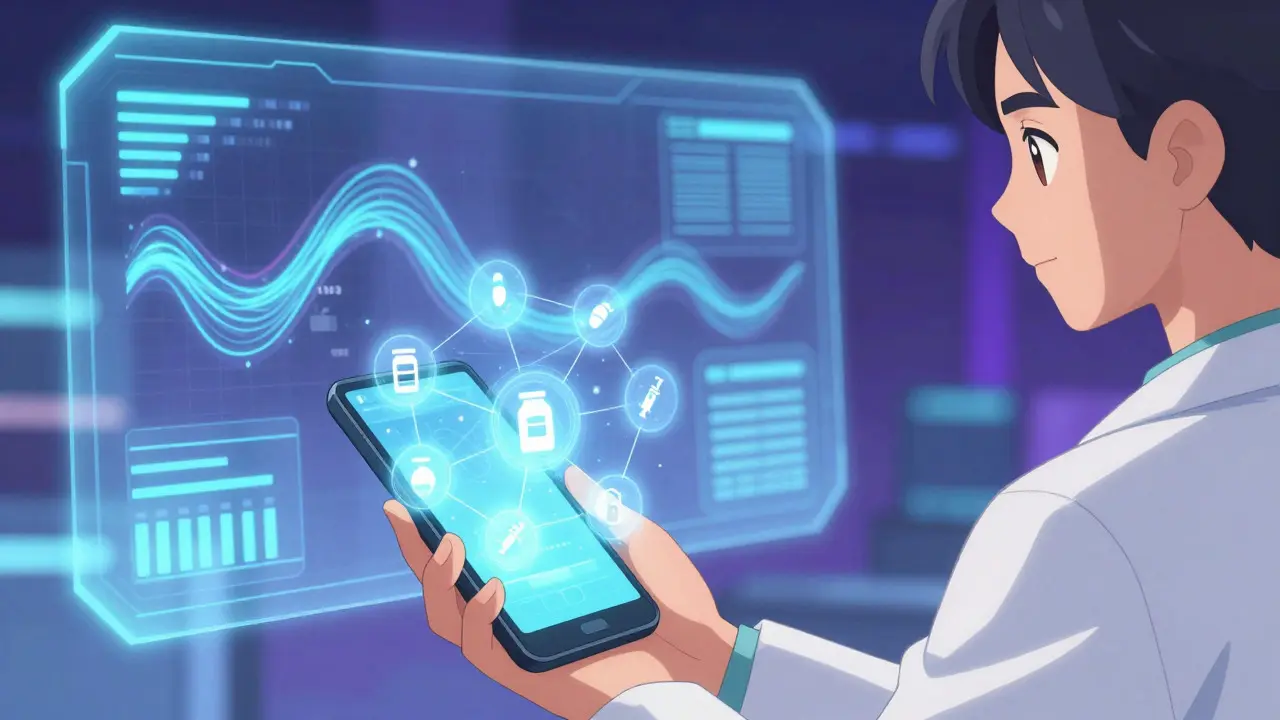
Technology is also playing a larger role. Blockchain implementations in pharmaceutical supply chains grew from 3% in 2023 to 18% in 2025. This technology allows for real-time tracking of drug batches, potentially reducing recall identification time from days to hours. Additionally, the FDA is investing $47 million in AI-powered predictive analytics to spot quality issues before they trigger recalls.
However, challenges remain. The Government Accountability Office warned in May 2025 that without increased funding, the U.S. drug supply chain will stay vulnerable. Industry analysts project a 15-20% increase in Class I recalls through 2027 as better detection methods uncover previously hidden problems. Yet, overall medication quality is expected to improve by 8-12% annually thanks to stricter regulations and advanced manufacturing techniques.
What You Can Do
Staying informed is your best defense. Check the FDA’s Enforcement Reports database regularly, especially if you take multiple medications. Keep track of your prescription lot numbers, usually found on the bottle label. If you receive a recall notice, don’t panic. Contact your pharmacist or doctor before stopping any medication. They can advise whether to switch brands or wait for a replacement batch.
Report any unusual side effects to the FDA’s MedWatch program. While patient participation is currently low at just 3.2%, your report could help trigger a recall and save lives. By understanding the triggers behind generic drug recalls, you become an active participant in your own healthcare safety.
Why are there so many generic drug recalls?
Generic drug recalls have increased due to higher production volumes, complex global supply chains, and stricter detection methods. In 2024, 347 recalls were documented, with 87% being Class I or II. Many issues stem from sterility lapses or contamination in foreign manufacturing facilities where inspections are less frequent.
What is the difference between Class I, II, and III recalls?
Class I recalls involve a high risk of serious harm or death. Class II recalls pose moderate risks with reversible health effects. Class III recalls are for minor regulatory violations unlikely to cause health issues. Most recalls (87%) fall into Class I or II, indicating significant safety concerns.
Should I stop taking my medication if it is recalled?
Consult your doctor or pharmacist before stopping. While 78% of people stop immediately, this can be dangerous for chronic conditions. Your provider can assess the risk and provide a safe alternative or confirm if your specific lot is unaffected.
How does the FDA monitor foreign drug manufacturers?
The FDA inspects foreign facilities, but only every 4.6 years on average compared to 1.8 years for domestic ones. This gap has led to calls for increased funding and annual inspections for high-risk sites under the new Enhanced Oversight Initiative.
Can technology reduce drug recalls?
Yes. Blockchain tracking and AI predictive analytics are being adopted to detect quality issues faster. Blockchain adoption rose to 18% in 2025, helping trace batches in real-time and reducing identification times from days to hours.