
Grapefruit Juice and Simvastatin: Understanding the Myopathy Risk
 Aug, 11 2026
Simvastatin & Grapefruit Risk Estimator
This tool estimates your risk level based on current medical consensus regarding CYP3A4 enzyme inhibition. It is for informational purposes only and does not replace professional medical advice.
Analysis:
Enter your details to see the risk assessment.
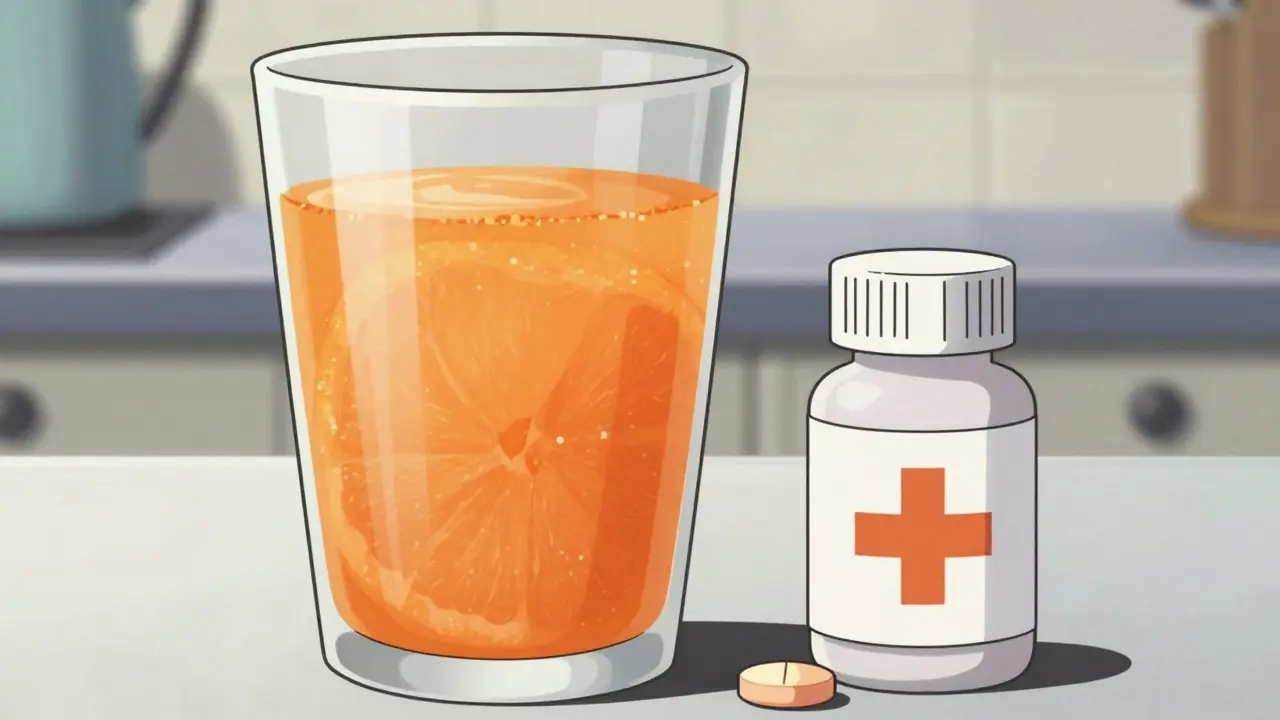
You squeeze a fresh glass of grapefruit juice for breakfast. It’s tart, refreshing, and packed with vitamin C. You take your morning pill-Simvastatin, a common cholesterol-lowering drug-and swallow it down. For years, you’ve heard whispers that this combination is dangerous. But is it? Do you really need to give up your morning ritual?
The short answer is yes, but with important nuance. The interaction between grapefruit juice and simvastatin is not a myth; it is a well-documented pharmacokinetic reality. However, it isn’t about avoiding a single sip. It’s about understanding how much juice triggers a chemical chain reaction that can turn a helpful medication into a muscle-damaging toxin.
Why Grapefruit Juice Changes How Your Body Processes Simvastatin
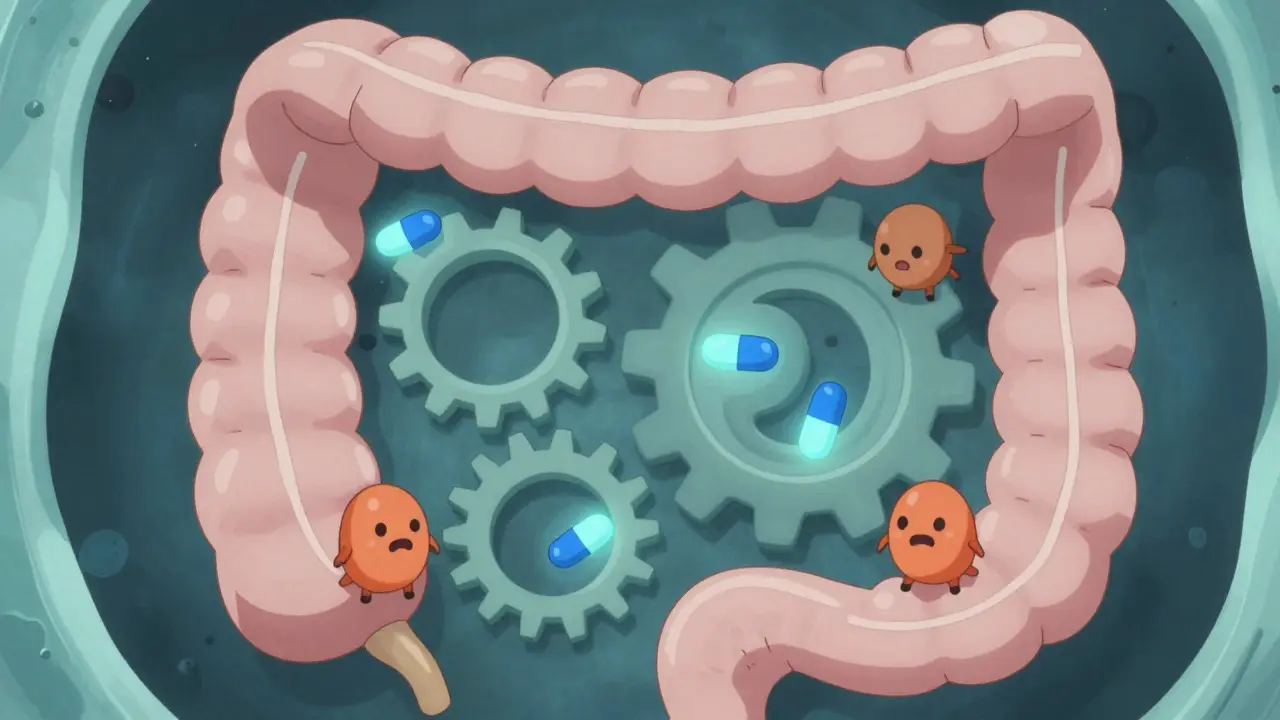
To understand the risk, we have to look at what happens inside your gut. When you eat food or take oral medications, your body doesn't just absorb everything directly into your bloodstream. Your liver and intestines act as filters. Specifically, an enzyme called CYP3A4 sits in the lining of your small intestine. Its job is to break down certain drugs before they enter your system, ensuring only a safe amount reaches your blood.
Simvastatin relies heavily on this CYP3A4 enzyme for its breakdown. This process is known as "first-pass metabolism." Normally, a large portion of the simvastatin you swallow is destroyed by this enzyme, leaving just enough active drug to lower your cholesterol effectively.
Grapefruit juice contains compounds called furanocoumarins, specifically bergamottin and 6',7'-dihydroxybergamottin. These compounds are like saboteurs. They bind to the CYP3A4 enzymes and shut them down. Crucially, this inhibition is irreversible. Once the enzyme is blocked, your body has to manufacture new ones from scratch, which takes time.
If you drink grapefruit juice around the same time you take simvastatin, the enzyme is busy being inhibited rather than breaking down the drug. As a result, more of the simvastatin passes through your intestinal wall and enters your bloodstream. Studies show that consuming large amounts of grapefruit juice can increase the amount of simvastatin in your blood by up to 16 times. That is a massive spike in drug concentration.
The Real Danger: Myopathy and Rhabdomyolysis
Why does having too much simvastatin in your blood matter? Simvastatin works by blocking an enzyme in your liver (HMG-CoA reductase) that produces cholesterol. But this enzyme also plays a role in muscle cell health. When simvastatin levels get too high, it starts attacking healthy muscle tissue.
This leads to myopathy, a general term for muscle disease. Symptoms include unexplained muscle pain, tenderness, weakness, or fatigue. For most people, stopping the medication resolves these issues. However, in severe cases, the muscle damage becomes extensive, leading to rhabdomyolysis.
Rhabdomyolysis is a medical emergency. Damaged muscles release a protein called myoglobin into the blood. This protein clogs the kidneys, potentially causing acute kidney failure. While rhabdomyolysis is rare-occurring in about 0.1% of statin users-the risk increases significantly when grapefruit juice amplifies the drug's presence in your body. The FDA warns that this combination can lead to liver damage and kidney failure if left unchecked.
How Much Is Too Much? Defining the Safe Threshold
Here is where confusion often sets in. Many patients believe even a tiny splash of grapefruit juice is deadly. Others think one glass is fine. The truth lies in the volume and frequency of consumption.
Clinical studies provide specific data points. A landmark study published in Circulation found that drinking 200 mL of double-strength grapefruit juice three times daily caused the dramatic 16-fold increase in simvastatin levels. In contrast, moderate consumption poses a much smaller risk.
The current medical consensus, supported by the FDA and the American Heart Association, suggests a critical threshold. Consuming less than 1.2 liters (about five 8-ounce glasses) of grapefruit juice per day generally poses minimal risk for most patients on standard doses (10-20 mg). However, exceeding this amount significantly raises the danger level.
| Consumption Level | Estimated CYP3A4 Inhibition | Risk Profile for Simvastatin Users |
|---|---|---|
| Low (< 1 glass/day) |
Mild to Moderate | Low risk. Most patients tolerate this well, especially on low-dose simvastatin. |
| Moderate (1-2 glasses/day) |
Moderate | Moderate risk. Monitor for muscle symptoms. Caution advised for high-dose users. |
| High (> 5 glasses/day or > 1.2L) |
Severe (~47%) | High risk. Significant increase in plasma simvastatin levels. Avoidance recommended. |
It is also worth noting that the effect lasts longer than the taste. Because the enzyme inhibition is irreversible, the impact of grapefruit juice can persist for 3 to 7 days after your last sip. This means drinking juice at night and taking your pill in the morning still carries some risk, though separating them by at least 4 hours can help mitigate the peak interaction.
Not All Statins Are Created Equal
If you are worried about giving up grapefruit juice, there is good news: not all cholesterol medications interact with it the same way. The interaction depends entirely on how the drug is metabolized.
Simvastatin and lovastatin are both heavily processed by the CYP3A4 enzyme, making them highly susceptible to grapefruit juice. Atorvastatin (Lipitor) also uses this pathway but to a lesser extent, showing a more modest 3.3-fold increase in blood levels with heavy juice consumption.
However, other statins bypass this enzyme almost entirely. Pravastatin and rosuvastatin are not primarily metabolized by CYP3A4. This means you can drink grapefruit juice freely while taking these medications without worrying about the same toxic buildup. If you love grapefruit and cannot stop eating it, talk to your doctor about switching to pravastatin or rosuvastatin. According to market data, these are among the most prescribed statins precisely because they offer fewer dietary restrictions.

Who Is at Higher Risk?
Even within the "safe" limits, some individuals are more vulnerable to myopathy than others. The FDA and clinical guidelines highlight several risk factors that amplify the danger of the simvastatin-grapefruit interaction:
- Age: Patients over 65 have slower metabolism and reduced kidney function, making it harder to clear excess drug from their systems.
- Renal Impairment: Existing kidney issues reduce the body's ability to filter toxins, increasing the likelihood of rhabdomyolysis.
- High Dosages: Taking 40 mg or 80 mg of simvastatin leaves less room for error. A slight increase in blood concentration can push levels into the toxic range.
- Concomitant Medications: Other drugs that inhibit CYP3A4, such as amiodarone, calcium channel blockers, or certain antibiotics, can stack the effect, creating a "double whammy" of inhibition.
If you fall into any of these categories, the advice shifts from "moderation" to "avoidance." Dr. David J. Graham of the FDA advocates for complete avoidance in high-risk populations because predicting who will develop myopathy is nearly impossible.
Practical Steps for Managing the Interaction
You don’t necessarily have to panic or throw out your juicer. Here is a practical approach to managing this interaction safely:
- Know Your Dose: If you are on a low dose (10-20 mg), the margin for error is larger. If you are on a high dose, be stricter.
- Stick to One Glass: Limit yourself to one 8-ounce glass of grapefruit juice per day. This keeps you well below the 1.2-liter threshold identified in recent FDA updates.
- Separate Timing: Try to space out your medication and your juice by at least 4 hours. While this doesn't eliminate the risk (due to the long-lasting enzyme inhibition), it avoids the peak overlap.
- Monitor Symptoms: Pay attention to your body. Unexplained muscle aches, dark urine, or extreme fatigue are red flags. Stop the juice and contact your doctor immediately if these occur.
- Consider Alternatives: Orange juice, apple juice, and other citrus fruits do not contain furanocoumarins and are safe to consume with simvastatin.
Recent research offers hope for the future. Scientists at the University of Florida are developing grapefruit hybrids, like the UF Sweetie, which contain 87% less bergamottin. While these aren't widely available yet, they signal that the industry recognizes this dietary conflict.
Until then, knowledge is your best defense. The interaction between grapefruit juice and simvastatin is real, but it is manageable. By respecting the biological mechanisms and adhering to moderate consumption limits, you can protect your heart health without sacrificing every bit of enjoyment from your diet.
Can I eat grapefruit fruit if I take simvastatin?
Yes, but in moderation. The furanocoumarins that cause the interaction are present in the whole fruit, not just the juice. Eating half a grapefruit occasionally is generally considered safe for most patients on standard doses. However, avoid eating multiple grapefruits daily, as the cumulative effect on the CYP3A4 enzyme can still raise simvastatin levels in your blood.
Does dried grapefruit or supplements pose a risk?
Yes. Dried grapefruit concentrates the sugars and potentially the active compounds, making it easier to consume a dangerous amount quickly. Similarly, grapefruit seed extracts or supplements often contain high concentrations of furanocoumarins. Treat these products with the same caution as fresh juice.
How long does the interaction last after drinking juice?
The inhibition of the CYP3A4 enzyme is irreversible, meaning the enzyme must be replaced by new synthesis. This process takes 3 to 7 days. Therefore, the effect of grapefruit juice persists for several days after your last consumption, not just a few hours.
Which statins do NOT interact with grapefruit juice?
Pravastatin and rosuvastatin are not significantly metabolized by the CYP3A4 enzyme, so they do not have clinically significant interactions with grapefruit juice. Fluvastatin and pitavastatin also have minimal interaction risks compared to simvastatin, lovastatin, and atorvastatin.
What are the first signs of statin-induced myopathy?
Early signs include unexplained muscle pain, tenderness, or weakness, particularly in the shoulders, thighs, or hips. You might also experience general fatigue or flu-like symptoms without a fever. If you notice these symptoms, especially after increasing grapefruit intake, contact your healthcare provider immediately.
Is orange juice a safe alternative?
Yes. Orange juice, lemon juice, lime juice, and apple juice do not contain the furanocoumarins responsible for inhibiting CYP3A4. They are safe to consume in any quantity alongside simvastatin and other statins.