
Health Literacy and Generics: Making Medication Information Clear for Everyone
 Dec, 1 2025
Every year, millions of people switch from brand-name drugs to generics because they’re cheaper. But here’s the problem: health literacy isn’t keeping up. Many patients don’t understand that a white oval pill today and a pink round pill tomorrow could be the exact same medicine. They think something’s wrong. They skip doses. They panic. And sometimes, they end up in the hospital.
Why Generics Look Different - And Why That Confuses People
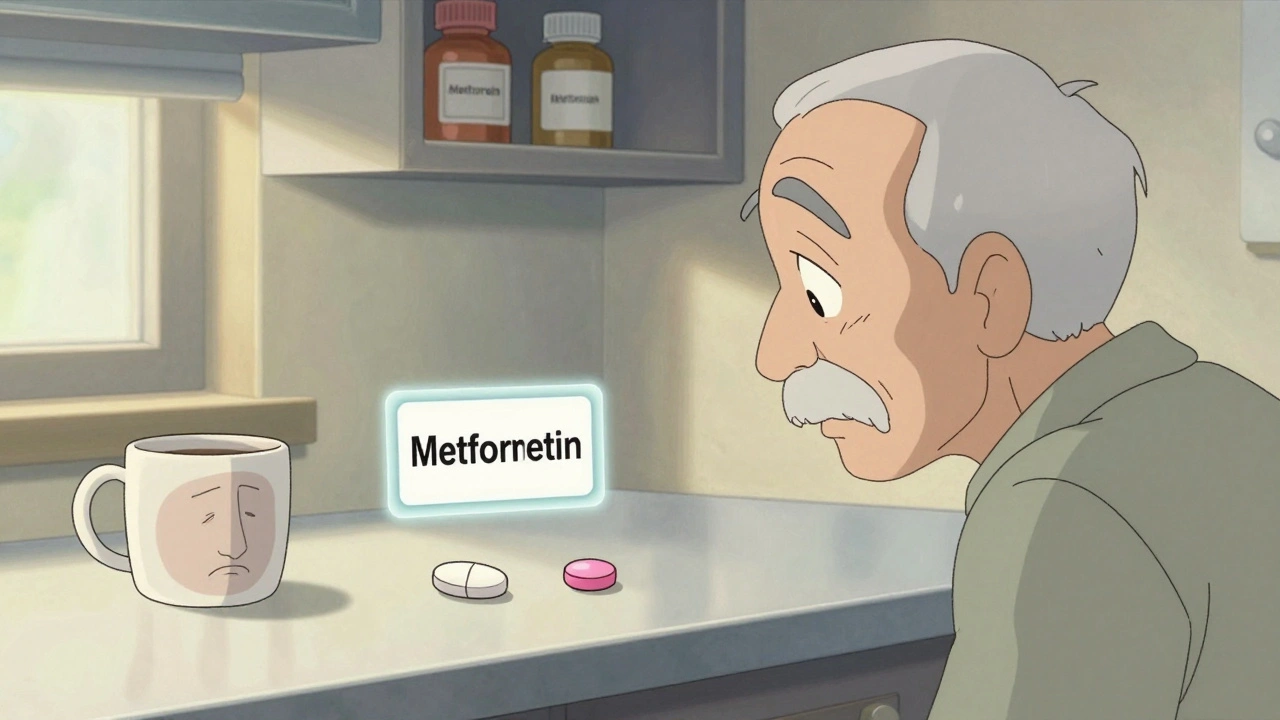
Generic medications have the same active ingredients as brand-name drugs. They work the same way. They’re just cheaper. But they don’t look the same. The color, shape, size, and even the imprint on the pill can change every time a pharmacist fills a prescription. That’s because different manufacturers make generics, and each one picks its own design. For someone with high health literacy, that’s fine. For someone struggling to read or understand medical terms? It’s dangerous.In the U.S., 80 million adults have basic or below-basic health literacy. That means they might not know what “metformin” is - let alone realize that the pink pill they got this month is the same as the white one they took last month. A 2016 study found that 42% of patients didn’t know generics are just as effective as brand-name drugs. And it’s not just about names. It’s about trust. A 2018 study showed 68% of patients worried generics wouldn’t work, compared to only 22% for brand-name drugs.
The Real Cost of Confusion
This isn’t just about feeling unsure. It’s about real harm. Between 2015 and 2020, over 1,200 medication errors were reported because patients confused different versions of the same generic drug. One man with diabetes stopped taking his metformin for three days when his pills changed shape. He ended up in the ER with dangerously high blood sugar. A woman with high blood pressure threw out her new pills because they looked “wrong.” She didn’t realize it was still her medicine. She had a stroke.Older adults are especially at risk. A 2021 study found that over half of seniors taking heart medications admitted to “pill dumping” - tossing out pills that looked different from what they remembered. This isn’t carelessness. It’s a system failure. When your brain is already overloaded managing five or six different pills, and one suddenly looks like a candy, your brain says: “This isn’t mine.”
Why Brand Names Feel Safer - Even When They’re Not
Brand-name drugs spend millions on ads. You see them on TV. You hear your doctor say their name. You recognize the logo. Generics? No ads. No branding. Just a plain label. So even though they’re scientifically identical, they feel less real. Patients worry: “Is this the same? Will it make me sick? Did they cut corners?”That fear hits hardest in communities with lower education levels and older populations. Medicare data shows that 63% of beneficiaries with less than a high school education get confused when their generics change. That’s not because they’re not smart. It’s because the system doesn’t speak their language.
What’s Being Done - And What’s Working
Some places are fixing this. The European Union made generic pills look more similar across manufacturers. In Germany and France, medication errors dropped by 19%. Australia started using color codes: all blood pressure meds are blue, all diabetes meds are green. Errors fell by 33%.In the U.S., the FDA is pushing for similar changes. Their 2023 draft guidance suggests standardizing colors by drug class. That means if you take a statin for cholesterol, every generic version will be the same shade of purple. No more surprises.
Healthcare providers are also stepping up. The “Ask Me 3” program trains doctors and pharmacists to ask patients three simple questions: What is my main problem? What do I need to do? Why is it important? Hospitals using this program saw a 31% drop in generic-related medication errors.
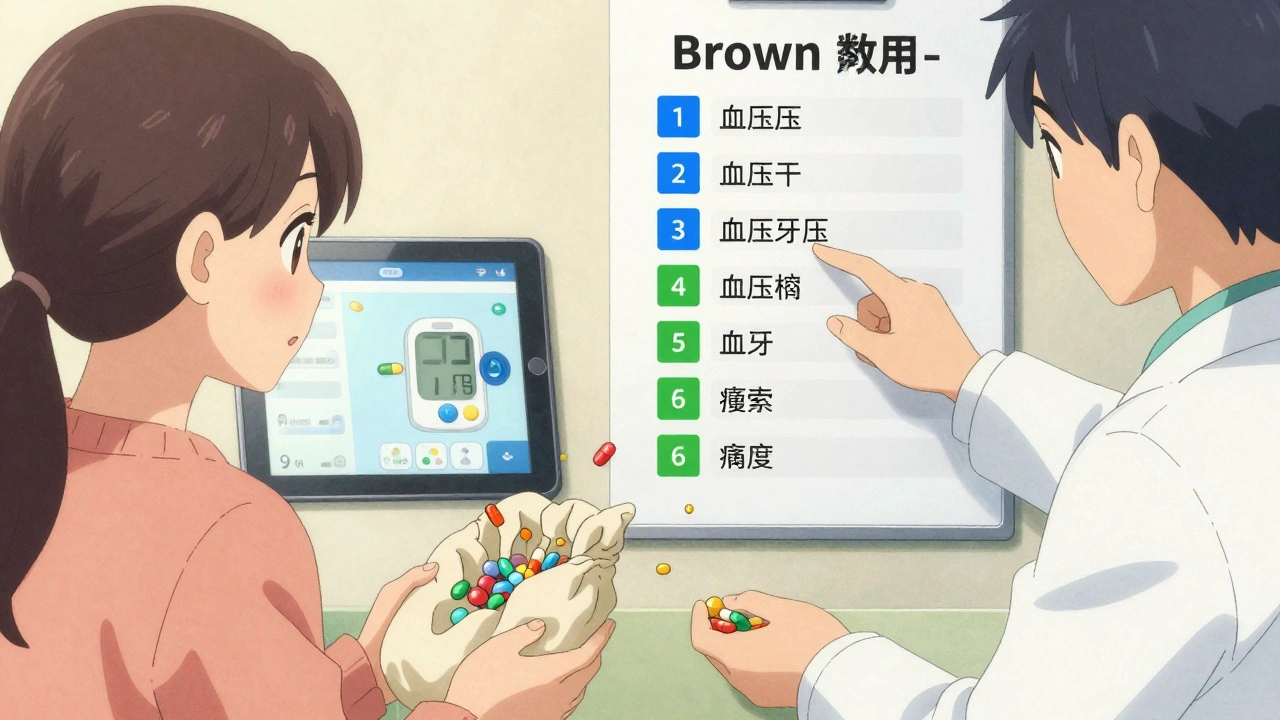
Another powerful tool? The “Brown Bag” review. Patients bring all their pills - bottles, boxes, even the ones in the back of the drawer - to their appointment. The pharmacist sorts them out, explains what each one is, and checks for duplicates or confusion. Johns Hopkins found this reduced medication errors by 44%.
Technology Is Helping Too
Apps like Medisafe let you take a picture of your pill. The app identifies it, tells you what it is, and reminds you when to take it. In a 2022 trial, patients using this feature improved their understanding of generics by 37%. Now, AI tools are getting smarter. A June 2023 study in the New England Journal of Medicine showed AI-powered recognition tools boosted understanding by 63% among people with low health literacy. Just point your phone at the pill. It tells you: “This is metformin. Same as last month. Still for your diabetes.”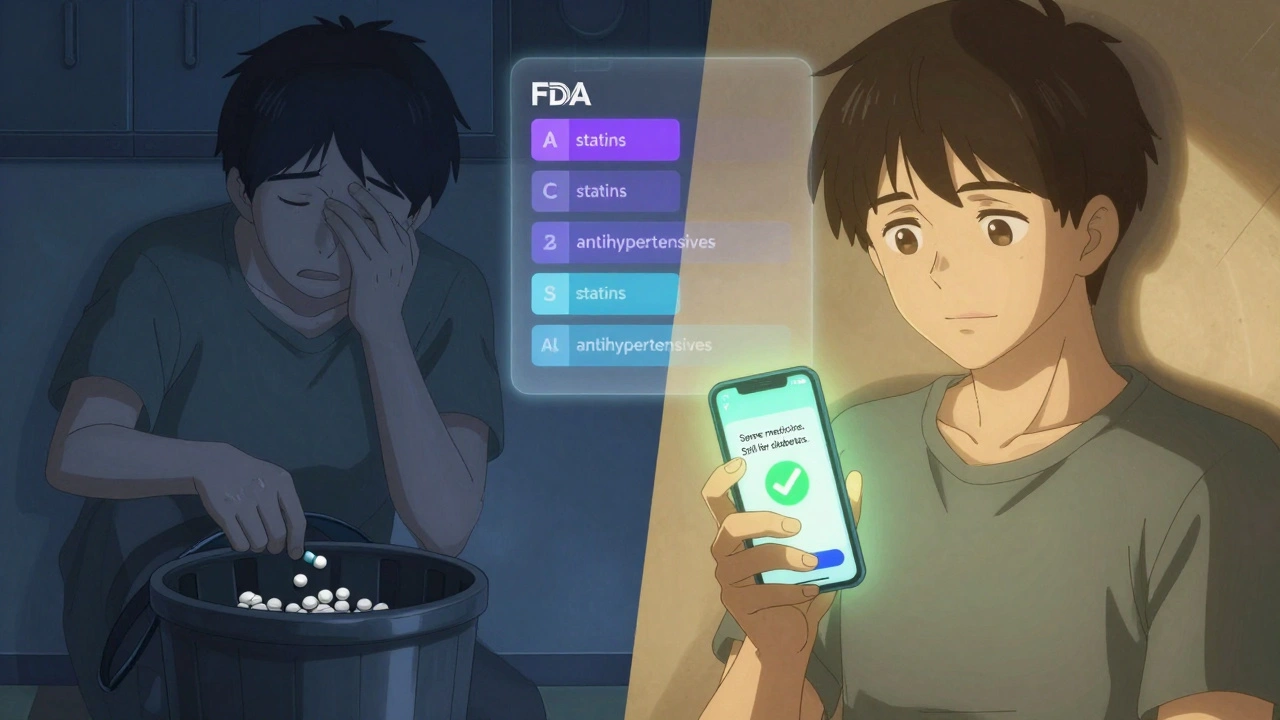
What You Can Do Right Now
You don’t need to wait for big changes. Here’s what works today:- Ask your pharmacist: “Is this the same medicine I got last time? Why does it look different?” They’re trained to explain this - and they want you to ask.
- Keep a list: Write down the name of each medicine (brand and generic), what it’s for, and how it looks. Take it to every appointment.
- Use a pill organizer: Fill it weekly. If a pill doesn’t fit the pattern, stop and ask.
- Don’t guess: If a pill looks unfamiliar, don’t take it until you’ve checked. Better safe than sorry.
Pharmacists in 38 U.S. states are now legally required to assess your understanding when switching to a generic. That means they have to check in with you - not just hand you a bottle and walk away.
It’s Not Just About Pills - It’s About Trust
The real issue isn’t the pills. It’s the trust gap. People feel like they’re being handed something cheaper, something less reliable. But the science doesn’t lie: generics are safe. They’re tested. They’re monitored. They save lives and money.What’s missing is clear, simple, visual communication. We need labels that speak in pictures, not just words. We need color codes. We need apps that recognize pills. We need providers who take time to explain - not just prescribe.
Health literacy isn’t about how smart you are. It’s about how well the system helps you understand. Right now, the system is failing too many people - especially those who need help the most. But change is happening. And it starts with asking one simple question: “Why does this look different?”
Are generic medications as effective as brand-name drugs?
Yes. Generic medications contain the same active ingredients, work the same way, and meet the same safety and quality standards as brand-name drugs. The FDA requires generics to be bioequivalent - meaning they deliver the same amount of medicine into your bloodstream at the same rate. The only differences are in inactive ingredients (like dyes or fillers), shape, color, or packaging - none of which affect how well the drug works.
Why do generic pills look different every time I refill my prescription?
Different companies make generic drugs, and each one chooses its own design for the pill - color, shape, size, and imprint. There’s no law requiring them to look the same. This can be confusing, especially if you take multiple medications. If your pill looks different, don’t assume it’s wrong. Ask your pharmacist: “Is this still the same medicine?”
What should I do if I’m afraid to take a generic because it looks different?
Don’t skip your dose. Don’t throw it out. Call your pharmacist or doctor. Bring the pill with you if you can. Use a pill identification app like Medisafe or WebMD’s Pill Identifier. These tools let you take a photo and find out exactly what the pill is. Most of the time, it’s the same medicine - just made by a different company.
Can I ask for the brand-name version instead of a generic?
Yes, but it may cost more. Your doctor can write “Dispense as Written” or “Do Not Substitute” on your prescription. But most insurance plans require you to try the generic first. If you can’t afford the brand, talk to your pharmacist about patient assistance programs or coupons. Your health matters more than the label on the bottle.
How can I keep track of my medications if they keep changing appearance?
Keep a written list: write the name of the medicine (both brand and generic), what it’s for, how often you take it, and what it looks like. Take a photo of each pill when you get it. Use a pill organizer with labels. Ask your pharmacist to help you update your list every time you refill. Many clinics now offer “Brown Bag” reviews - bring all your meds to your appointment and let them sort them out with you.
Is there a way to get generics that look the same every time?
Not yet everywhere, but it’s coming. The FDA is working on color-coding by drug class - for example, all cholesterol meds might be purple, all diabetes meds green. Some countries like Australia and Germany already do this, and it’s cut errors by up to 33%. You can ask your pharmacist if they can source your generic from the same manufacturer each time - but they’re not required to. The long-term solution is system-wide standardization, which is slowly being adopted.
Elizabeth Farrell
December 1, 2025 AT 15:53I’ve seen this happen with my mom. She’s 72, takes six meds, and every time the pill changes color, she thinks it’s a mistake or someone swapped her meds. She’ll sit there for an hour staring at the bottle, scared to swallow it. I had to start taking photos of each new prescription and labeling them with the drug name and purpose. Now she just checks her phone before taking anything. Small thing, huge difference.
Pharmacists need to do more than just hand over the bottle. They need to say, ‘Hey, this looks different but it’s the same medicine.’ It’s not hard. It’s just not standard.
And honestly? If we made all blood pressure pills blue and all diabetes pills green, I’d sleep better at night. No one should have to be a detective just to stay alive.
Sheryl Lynn
December 2, 2025 AT 20:45Oh, please. Let’s not romanticize the ‘poor, confused elderly.’ The real issue is that people refuse to engage with basic medical literacy. If you can’t distinguish between a pill’s appearance and its pharmacokinetics, maybe you shouldn’t be self-administering polypharmacy. The system isn’t failing-people are opting out of responsibility.
Also, color-coding? That’s a Band-Aid on a hemorrhage. What about the 30% of the population that’s colorblind? Or the visually impaired? We need standardized pill imprints with braille and audio QR codes, not pastel crayon schemes. This is 2024, not 1994.
Genesis Rubi
December 4, 2025 AT 07:14Ugh. Another liberal pill-pushing agenda. Generic drugs are made in China and India. You think they’re the same? They’re not. I saw a vid where a guy took a generic and his heart started fluttering. FDA? More like FDA-Don’t-Ask. They’re all in bed with Big Pharma and Big Pharma’s cheap knockoffs.
My cousin’s aunt’s neighbor got hospitalized because her ‘generic’ heart med had no active ingredient. That’s not science. That’s fraud. And now they want to paint pills? Like toddlers’ toys? Get real.
Doug Hawk
December 4, 2025 AT 09:27Interesting data on the 68% distrust stat. But we need to look at bioequivalence thresholds-current FDA allowance is 80–125% AUC and Cmax. That’s a 45% window. In practice, that means two generics of the same drug can differ by up to 25% in absorption.
That’s not trivial for narrow-therapeutic-index drugs like warfarin or levothyroxine. The pill color isn’t the problem-it’s the lack of batch-to-batch consistency reporting. We need a public API where you can scan a pill and see the manufacturer’s dissolution profile. That’s real transparency.
Color coding? Cute. But doesn’t solve the pharmacokinetic variance.
John Morrow
December 5, 2025 AT 18:02Let’s be honest-this isn’t about health literacy. It’s about class. People who can’t afford brand-name drugs are being systematically pushed into a system designed to confuse them. The FDA doesn’t care. Pharmacists are overworked. Insurance companies incentivize switches. And now we’re supposed to be impressed that someone took a photo of their pill?
This is capitalism in action: make people dependent on apps and visual cues because the system won’t fix the root cause-profit-driven pharmaceutical policy. The real solution? Single-payer drug procurement with standardized manufacturing. But that would cost too much, wouldn’t it?
Kristen Yates
December 6, 2025 AT 17:28My dad used to take metformin. Every time the pill changed, he’d call me. I’d tell him it was the same. He’d say, ‘But it’s not the same color.’ I’d say, ‘I know. But it’s still metformin.’ He never stopped trusting me. But he never stopped being scared either.
It’s not about being dumb. It’s about being tired. And scared. And alone.
Saurabh Tiwari
December 8, 2025 AT 15:06Bro, this is so real 😔 I saw my uncle in India throw away his blood pressure pills because they looked different. He thought it was fake. He had a mini-stroke. Now we take pics of every new pill and send to family group chat. Even my grandma uses WhatsApp to ask if it’s the same. Tech is helping, but trust? That’s the hard part. 🙏
Color coding? Yes please. Simple. Smart. Global.
Michael Campbell
December 8, 2025 AT 23:39They’re lying. Generics are weaker. I know a guy who went from brand to generic and his anxiety got worse. They cut corners. It’s all about money. Don’t fall for the propaganda.
Victoria Graci
December 10, 2025 AT 09:19There’s a philosophical layer here that rarely gets discussed: identity and continuity. We don’t just take pills-we ritualize them. A pill is a symbol of stability, of control, of self-care. When it changes shape, it doesn’t just change appearance-it fractures the narrative we’ve built around our health.
That’s why color matters. Not because we’re irrational, but because we’re human. We need visual anchors to maintain psychological coherence in a world that constantly disrupts our routines. The system treats us like machines. We’re not. We’re stories wrapped in flesh and fear.
Maybe the answer isn’t just better labeling-it’s better storytelling. What if every pill came with a tiny QR code that played a 15-second voice note from the pharmacist: ‘This is your medicine. It’s still you.’
Saravanan Sathyanandha
December 12, 2025 AT 02:08As someone from India where generics dominate the market, I can attest that this issue is global. In rural clinics, patients often refuse medication because the tablet color doesn’t match the previous batch. We’ve piloted a simple solution: printed pictograms on blister packs-heart icon for BP, sun for diabetes, etc. Compliance improved by 41% in six months.
Standardization must be mandatory, not optional. And pharmacists must be trained not just in dispensing, but in narrative medicine-how to explain change with empathy. Science is universal, but understanding is cultural.
alaa ismail
December 12, 2025 AT 09:59My pharmacist just told me the other day, ‘It’s the same stuff, just a different factory.’ I was like… okay, cool. But I still didn’t trust it. So I looked it up. Turns out, same exact chemical formula. Still weird, but now I’m not scared.
Maybe we just need more people saying it plainly. No jargon. Just: ‘It’s the same. You’re good.’
ruiqing Jane
December 13, 2025 AT 17:27This is exactly why we need mandatory patient education at the point of dispensing. Not a pamphlet. Not a website link. A 90-second, culturally adapted, plain-language conversation-recorded and archived for compliance. Every time a generic is dispensed. Period.
And yes, color coding is a start. But we also need consistent pill shape by drug class. Round for antidepressants, oval for statins, etc. No more guessing. No more panic. No more ER visits because someone didn’t recognize their own medicine.
This isn’t ‘nice to have.’ It’s a patient safety imperative.
Fern Marder
December 14, 2025 AT 07:22OMG YES. I’ve been saying this for years 😭 My grandma took her blood pressure med for 10 years, then one day it was purple instead of white. She thought she was getting poisoned. She called 911. They had to send an ambulance. She was fine. But the trauma? That stayed with her.
Color code EVERYTHING. And put a QR code on the bottle that says ‘This is your medicine. You’re safe.’ 🤍
Carolyn Woodard
December 14, 2025 AT 15:34There’s a deeper issue here: the fragmentation of pharmaceutical manufacturing. The same generic drug can be produced by 12 different manufacturers across 5 countries, each with slightly different excipients and dissolution profiles. The FDA’s bioequivalence standard is a statistical average-it doesn’t guarantee individual consistency.
What we’re seeing isn’t just a literacy gap. It’s a systemic failure of traceability. We need blockchain-based pill tracking, where every batch is verifiable by patient via app. Not just ‘what is this pill?’ but ‘where did this pill come from, and who made it?’
Color coding is symbolic. Transparency is structural.
Allan maniero
December 15, 2025 AT 02:55I work in a community pharmacy in rural Scotland. We’ve started doing ‘Pill Talks’-five minutes with every patient switching to a generic. We show them the old and new pill side by side. We explain why it changed. We write the name on a sticky note and put it on the bottle.
One elderly lady cried because she’d been skipping her pills for months. She thought the new one wasn’t ‘real.’ We didn’t fix the system. We just talked.
Maybe that’s the real solution. Not apps. Not color codes. Just someone who cares enough to say, ‘I see you. This is still yours.’