
How to Avoid Overdose When Restarting a Medication after a Break
 Apr, 9 2026
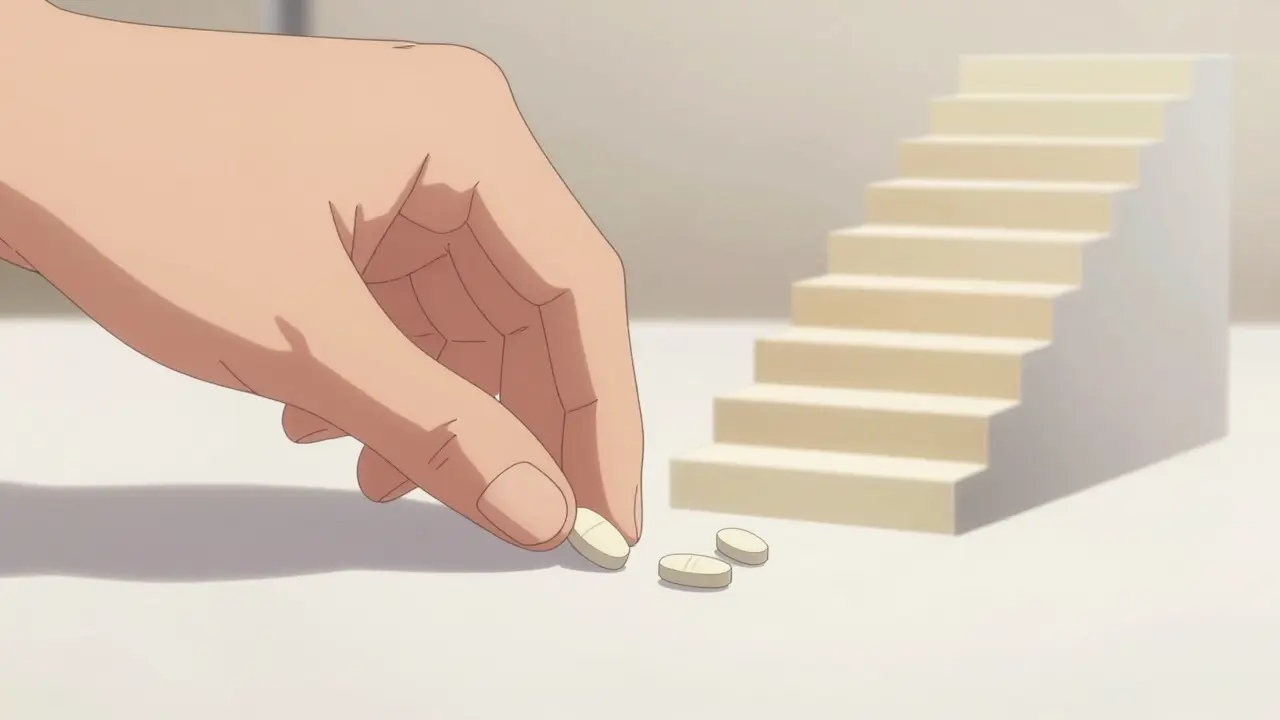
Pharmacological Tolerance is the process where the body becomes less responsive to a drug after repeated exposure, requiring higher doses to achieve the same effect. When you take a break from medication, this tolerance drops. For some drugs, this happens in a matter of days. If you restart at your previous maintenance level, you risk a massive overdose because your system no longer knows how to process that amount of the substance.
Why Your "Old Dose" Is Now Dangerous
It's a common and tragic mistake to think that because you "used to" take 50mg, you can start back at 50mg. But your brain and liver don't have a memory of the dose; they only have the current state of your receptors. This is especially dangerous with Opioids, which are a class of drugs that include prescription painkillers like oxycodone and synthetic opioids like fentanyl, known for depressing the central nervous system. Opioids specifically suppress your respiratory drive. When you are tolerant, your body can withstand that suppression. After a break, that protection vanishes. A dose that once felt "normal" can now slow your breathing to a dangerous level or stop it entirely. This is why high-profile cases, such as the late actor Philip Seymour Hoffman, serve as a warning: even years of abstinence don't protect you from the risk of lost tolerance upon relapse.
The "Start Low, Go Slow" Rule
Medical experts, including those from the Calgary Clinical Pharmacology service, advocate for a strict "start low, go slow" approach. You cannot simply flip a switch back to your old routine. Instead, the process should look like a gradual climb.
- Re-initiation: Start at a fraction of your previous dose-often 25% to 50% of the old amount.
- Monitoring: Wait and see how your body reacts for at least 24 hours before increasing.
- Incremental Steps: Increase the dose in small, measured increments rather than doubling it.
| Medication Class | Tolerance Loss Window | Restart Risk |
|---|---|---|
| Short-acting Opioids (e.g., Heroin) | 3-5 Days | Very High (Respiratory Failure) |
| Long-acting Opioids (e.g., Methadone) | 7-10 Days | High (Deep Sedation) |
| Benzodiazepines | Days to Weeks | Moderate to High (Severe Sedation) |
| MAOIs (Monoamine Oxidase Inhibitors) | Several Weeks | Critical (Serotonin Toxicity) |
Dangerous Combinations and Polypharmacy
Restarting one drug is risky, but restarting several-or mixing them-is a recipe for disaster. This is known as polypharmacy. The danger multiplies when you combine Benzodiazepines (like Xanax or Valium) with opioids. Both drugs slow down your central nervous system. When you've lost tolerance to both, the synergistic effect can stop your heart or lungs far faster than either drug would alone.Another critical risk involves Serotonin Syndrome, which is a potentially life-threatening condition caused by excessive accumulation of serotonin in the body. This often happens if you restart a serotonergic medication (like an SSRI or Venlafaxine) too soon after stopping a Monoamine Oxidase Inhibitor (MAOI). These drugs require a specific "washout period" of several weeks to clear the system before the next medication is introduced.
How to Safely Manage a Restart
If you are restarting a medication after a break, you should not do it alone. Medical supervision is the gold standard for a reason. Whether it's a doctor's office or a clinical detox program, having a professional adjust your dosage based on your current clinical state is the only way to truly eliminate the guesswork.
- Consult a Professional: Tell your doctor exactly how long you were off the medication and what your previous dose was.
- Assess the Need: Ask yourself (and your doctor) if the medication is still necessary or if a different, safer alternative exists.
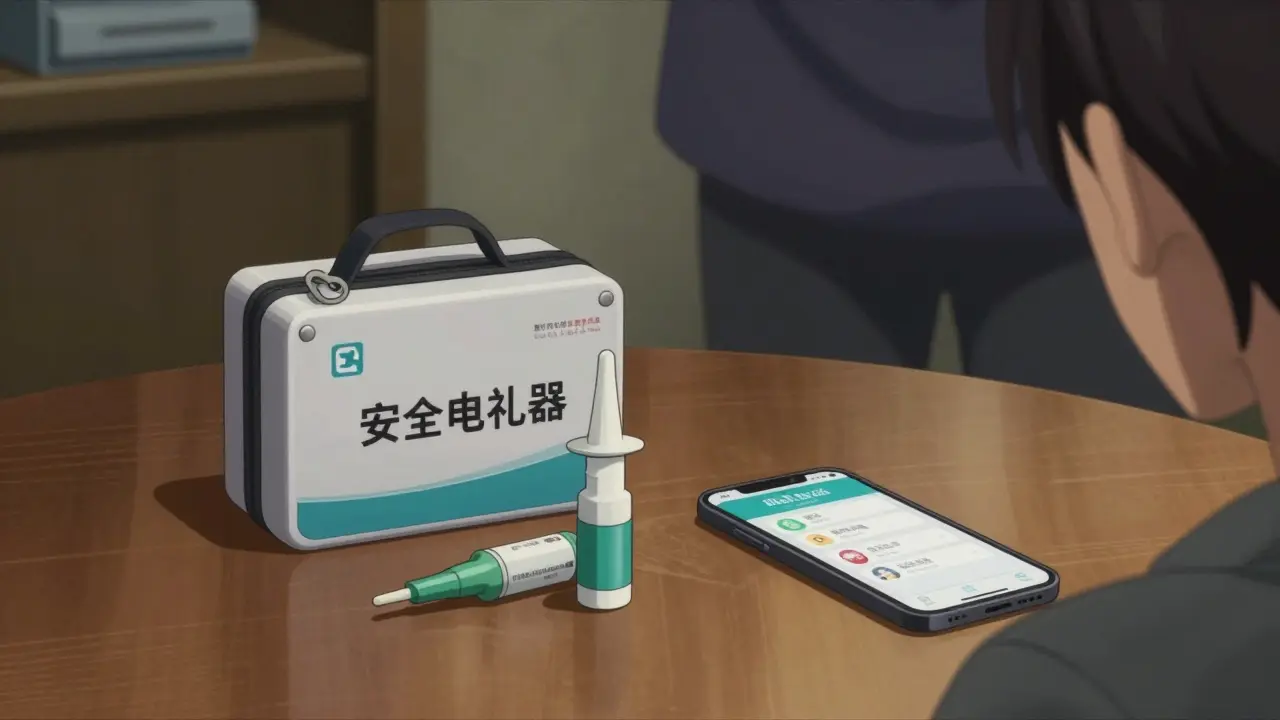
- Prepare a Safety Kit: If you are restarting opioids, you must have Naloxone (an opioid antagonist that reverses overdose) on hand.
- Enlist a Buddy: Ensure someone knows you are restarting and can call emergency services if you become unresponsive.
The Danger Zones: Prisons and Hospitals
There is a startling pattern in overdose data: a huge percentage of fatal overdoses occur within 72 hours of someone leaving a jail, prison, or hospital. Why? Because these are places where medications are often strictly controlled or discontinued. When a person is released, they may try to return to their previous street-level or prescription dose immediately. Because their tolerance plummeted during their stay, the result is often fatal. This makes the transition period from institutional care to home the most dangerous window for anyone who uses CNS depressants.
How long does it take to lose tolerance?
It varies by drug. For short-acting opioids, you can start losing tolerance in as little as 3 to 5 days. For longer-acting medications like methadone, it may take 7 to 10 days. Some medications, like MAOIs, require weeks of a "washout" period before the body is safe to introduce new medications.
Can I just take a half-dose to be safe?
While starting lower is better, a "half-dose" might still be too high if your tolerance has completely reset. The safest method is to start at 25% of your previous dose under medical supervision and increase very slowly.
What is the role of Naloxone in restarting medications?
Naloxone is a life-saving medication that blocks opioid receptors and reverses the effects of an overdose. Because the risk of respiratory failure is so high during a restart, having Naloxone and someone trained to use it is considered mandatory safety equipment.
Why is restarting after a break more dangerous than starting for the first time?
New users typically start with very small, entry-level doses. People restarting after a break often try to return to a high "maintenance" dose they were comfortable with previously, even though their body is now as sensitive as a new user's.
What should I do if I feel too sleepy after restarting?
Extreme sedation, difficulty waking up, or slow breathing are signs of an overdose. You should seek emergency medical attention immediately. Do not try to "sleep it off," as respiratory depression can worsen during sleep.
danny Gaming
April 11, 2026 AT 05:17basic science lol ppl just too stupid to read the label and then act suprised when they stop breathing. typical
Julie Bella
April 11, 2026 AT 09:32Honestly we need more moral accountability for these habits!! Its so sad that people just throw their lives away like this 😭 someone needs to step in and help them before it's too late!!
Rakesh Tiwari
April 12, 2026 AT 05:57Oh, look at that. People actually need to be told that taking a massive dose of a drug they aren't used to is a bad idea. Truly a groundbreaking revelation in human intelligence.
emmanuel okafor
April 13, 2026 AT 02:29it is strange how the body forgets its own strength and we must be humble before the nature of medicine
Doug DeMarco
April 13, 2026 AT 20:51Huge thanks for the breakdown on the 'start low, go slow' method! 🌟 It's so important to have a safety net, and pointing out the Naloxone kit is a total game changer for harm reduction. Stay safe everyone! 🙌
Sarina Montano
April 15, 2026 AT 01:44The pharmacological nuance here is absolutely vital. Most people don't realize that tolerance isn't a permanent trait but a dynamic physiological state that ebbs and flows. The mention of the 'washout period' for MAOIs is a brilliant addition because the risk of serotonin syndrome is often glossed over in general guides. It's a kaleidoscopic array of risks that require precision and patience. When you're dealing with CNS depressants, you're essentially playing a high-stakes game of biological chess where the wrong move results in respiratory arrest. The synergistic effect of benzos and opioids creates a chemical cocktail that effectively shuts down the brain's drive to breathe. It's not just about the dose, it's about the receptivity of the neural pathways. This is why a slow climb is the only logical path. We have to treat the body as a delicate instrument that needs recalibration. I've seen too many people ignore the 24-hour monitoring phase and jump the gun. Patience isn't just a virtue here; it's a survival strategy. We should be talking more about the specific half-lives of these substances. The difference between a short-acting and long-acting opioid is a matter of life and death during a restart. Education is the only real antidote to this kind of tragedy. Let's keep pushing for more accessible harm reduction tools in every community.
Will Gray
April 16, 2026 AT 17:55Typical government-funded 'medical' advice. They want us dependent on their systems and doctors who are just puppets for Big Pharma. Why is it that they only care about 'safety' when it's about keeping us under their thumb?
Franklin Anthony
April 17, 2026 AT 07:32just another way the system fails us lol they let people get hooked then act shocked when they die because they didnt follow a pamphlet
Victor Parker
April 19, 2026 AT 02:46Wake up people!! 🙄 The clinics just want your money and data. They dont want you to know the real way to detox without their 'supervision' 🤡
Camille Sebello
April 20, 2026 AT 06:23Too risky!! Always use a buddy!!
Emily Wheeler
April 20, 2026 AT 13:59I feel like there is such a profound intersection between the physical loss of tolerance and the psychological struggle of returning to a substance, and while the medical advice is sound, we must also consider the emotional landscape of the person trying to restart their medication safely. It's a journey of rediscovering one's boundaries and understanding that the body has its own internal clock and wisdom that we often ignore in our rush to feel 'normal' again, so we should be encouraging a holistic approach where the mind and body are aligned in this slow, careful process of re-entry.
Peter Meyerssen
April 21, 2026 AT 04:52The systemic homeostasis is basically recalibrated 🙄. It is simply a matter of receptor downregulation and upregulation. Basic pharmacokinetics for the plebeians 💅