
How to Build Patient Trust in Generic Drugs: Evidence-Based Strategies
 Jun, 16 2026
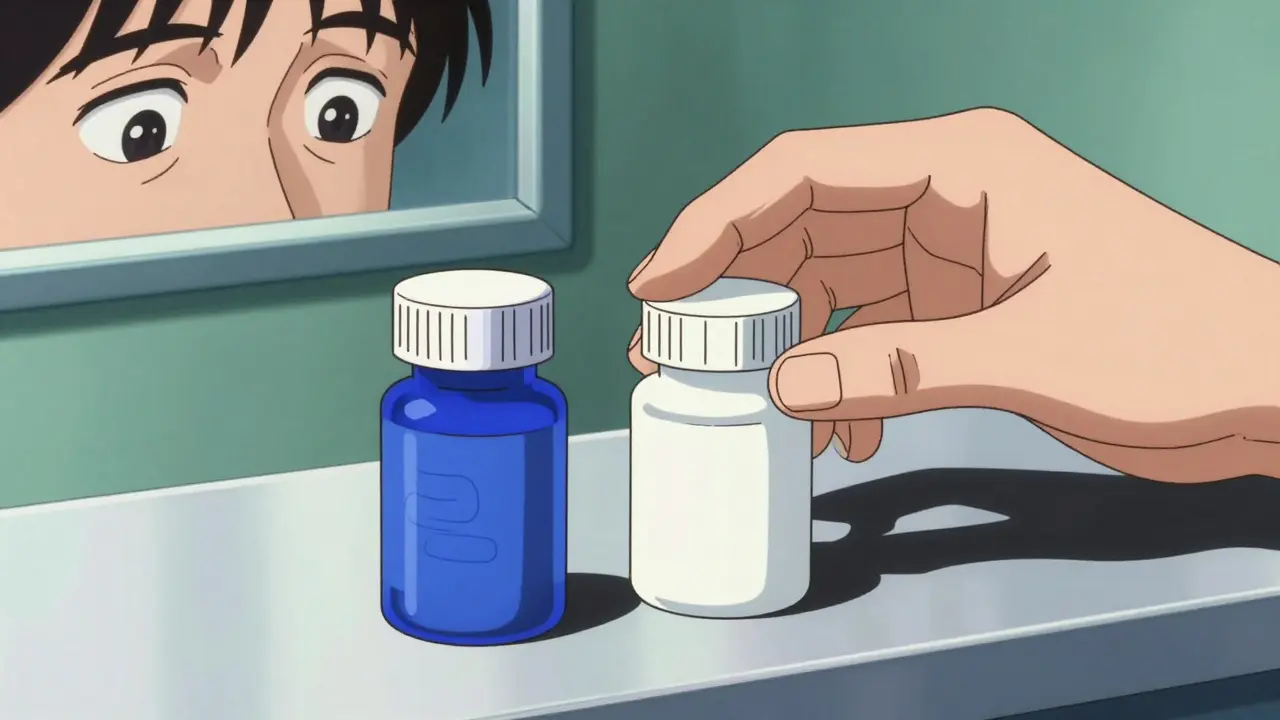
Imagine a patient who has taken the same blood pressure pill for ten years. The bottle is blue, the logo is familiar, and they feel safe. Then, their insurance changes, and the pharmacy hands them a white bottle with a different name. Even though the medicine inside is chemically identical, the patient hesitates. They worry it won’t work as well or might cause new side effects. This hesitation costs money and health outcomes.
This scenario plays out millions of times a day. Generic medications make up about 90% of all prescriptions filled in the United States, yet many patients still doubt their effectiveness compared to brand-name drugs. The gap isn't usually about the science; it's about trust. Research shows that when healthcare providers communicate clearly and respectfully, patient confidence in generics skyrockets. Here is how you can bridge that gap using proven, research-backed strategies.
The Science Behind the Switch
To build trust, you first need to understand what you are defending. A Generic drug is a pharmaceutical product containing the same active ingredients as a brand-name drug in identical dosages, routes of administration, and forms. It is not a "copy" in the sense of a cheap imitation; it is a legally required equivalent.
The U.S. Food and Drug Administration (FDA) mandates strict testing before any generic hits the market. The key concept here is Bioequivalence is the demonstration that a generic drug delivers the same amount of active ingredient into a patient's bloodstream over the same period as the brand-name version. Specifically, the FDA requires the generic’s absorption rate to fall within an 80-125% confidence interval of the brand-name drug. In plain English, this means the difference in how your body processes the two drugs is statistically negligible.
When explaining this to patients, avoid jargon like "AUC" or "Cmax." Instead, use analogies. You might say, "Think of it like two different brands of bottled water. One is expensive and fancy, the other is simple and cheap. But if you are thirsty, both quench your thirst exactly the same way because they are both pure water." This simplicity helps demystify the process and reduces anxiety.
Why Patients Resist: Understanding the Barriers
You cannot fix a problem you don't understand. Resistance to generics often stems from three main areas: perceived quality, fear of change, and lack of information.
- Perceived Quality: Many patients associate higher price with higher quality. A 2024 study published in PLOS ONE found that while nearly half of participants believed doctors should prescribe more generics, skepticism remains high among those with lower health literacy. If a patient believes a $10 pill is "worse" than a $100 pill, no amount of data will convince them unless you address the root belief.
- Fear of Side Effects: Some patients report feeling different on generics. While clinical trials show equivalent safety profiles, individual experiences vary due to inactive ingredients (fillers, dyes). Acknowledging this nuance builds credibility. Saying, "The active medicine is the same, but the filler might be slightly different, which rarely affects most people," feels more honest than a blanket guarantee.
- Lack of Agency: Patients hate being surprised. When a pharmacist substitutes a generic without asking, the patient feels disempowered. Research indicates that patients want to be actively involved in decisions regarding their medication. Being told "we switched you" creates resistance; asking "would you like to try the generic version that saves you $50?" creates partnership.
The Power of Provider Communication
If there is one silver bullet for improving generic acceptance, it is communication. Studies consistently show that the single biggest predictor of whether a patient accepts a generic is whether their healthcare provider explained it to them.
A survey cited by US Pharmacist revealed that 84.7% of patients were comfortable with generic substitution after receiving an explanation from their pharmacist, compared to only 63.2% who received no explanation. That 21-point gap is massive. It highlights that silence breeds suspicion, while dialogue builds trust.
Effective communication doesn't require a lecture. It requires a brief, focused conversation. Dr. Sarah Ibrahim, referencing FDA guidelines, notes that simply taking time to talk about the switch increases confidence. Start by conveying the FDA’s commitment to safety. Tell patients, "The FDA holds every generic to the exact same high standards of quality, safety, and efficacy as the brand-name drug. They test them rigorously to ensure they work the same way in your body."
For complex devices, such as inhalers or insulin pens, the stakes are higher. Users often hesitate because they aren't sure they can use the new device correctly. In these cases, hands-on demonstration is crucial. Show them how to load the cartridge, press the button, and check the dose counter. Confidence in the tool leads to confidence in the therapy.

Tailoring the Message to Different Audiences
One size does not fit all. Demographic factors significantly influence how patients view generics. Tailoring your approach based on patient profile can dramatically improve acceptance rates.
| Demographic Group | Common Concerns | Recommended Strategy |
|---|---|---|
| Patients with Low Health Literacy | Believe generics are less effective/safe (50.3% in some studies) | Use simple analogies (e.g., store-brand groceries). Avoid medical jargon. Use visual aids. |
| Older Adults (60+) | Concerned about changing long-standing routines | Emphasize consistency and cost savings for fixed incomes. Highlight that 71.4% of this group already consider generics safe. |
| Non-Caucasian Patients | Historical mistrust of healthcare systems; lower baseline confidence (78.3% vs 89.1%) | Build rapport first. Listen to concerns without dismissing them. Provide clear, evidence-based reassurance. |
| Low-Income Patients | May prefer brands despite cost due to perceived reliability | Frame generics as an empowerment tool. "This allows you to keep your budget for other essentials while staying healthy." |
For instance, older adults often have strong brand loyalty. However, data shows that 71.4% of patients over 60 actually consider generics safe. Leverage this statistic gently. "Many people your age worry about switching, but most find that the generic works just as well and helps stretch their retirement budget further."
Conversely, patients with Medicaid coverage or lower income brackets may express skepticism despite needing the cost savings. For them, focus on the economic benefit without making them feel poor. Frame it as smart resource management rather than financial necessity.
Practical Scripts for Healthcare Providers
Knowing what to say is half the battle. Here are specific scripts you can adapt for your practice, derived from best practices identified in recent literature.
- The Proactive Introduction: Before the prescription is even written, set the stage. "I’m going to prescribe [Drug Name]. We have a brand-name option and a generic option. The generic contains the exact same active ingredient and has been tested by the FDA to work identically. It also costs significantly less. Would you prefer the generic?"
- Addressing Side Effect Fears: If a patient says, "I heard generics give me headaches," respond with empathy and facts. "That’s a common concern. Sometimes the inactive ingredients, like fillers, differ slightly between manufacturers. If you notice any new symptoms, let’s track them together. But remember, the active medicine fighting your condition is the same."
- The Cost-Benefit Reframe: "By choosing the generic, you save $X per month. Over a year, that’s $Y. You can use that money for [personalized benefit, e.g., groceries, hobbies] while getting the same health results."
Notice the pattern: acknowledge the concern, provide the fact, and offer a path forward. This structure validates the patient’s feelings while guiding them toward a rational decision.

The Role of Pharmacists as Educators
Pharmacists are in a unique position to educate patients. They are the last line of defense before the patient takes the medication home. Research identifies pharmacists as the primary information source for many patients regarding generics.
However, busy pharmacy environments can lead to rushed consultations. A Trustpilot analysis noted that while detailed explanations receive high praise, rushed substitutions lead to complaints. To combat this, pharmacies should implement "counseling checkpoints." When a generic substitution occurs, the pharmacist should take an extra 30 seconds to explain why. "Hi, I’ve substituted your brand-name drug with the generic equivalent. Just so you know, it’s the same medicine, just a different manufacturer. Let me know if you have questions."
Additionally, providing written materials helps. While 62% of patients find pharmacy pamphlets only "somewhat helpful," having a tangible takeaway reinforces the verbal message. Ensure these materials are written at a 6th-grade reading level to accommodate varying health literacy levels.
Overcoming Common Misconceptions
Misinformation spreads quickly. Here are three persistent myths and how to debunk them with evidence.
Myth 1: Generics are made with inferior ingredients.
Fact: The FDA requires generic drugs to have the same quality, strength, purity, and stability as brand-name drugs. The manufacturing facilities must meet the same Good Manufacturing Practice (GMP) standards. There is no "low-quality" tier in FDA-approved generics.
Myth 2: Generics take longer to start working.
Fact: Bioequivalence ensures that the rate and extent of absorption are similar. Whether it’s a painkiller or an antibiotic, the onset of action is clinically indistinguishable from the brand-name version.
Myth 3: Doctors prescribe generics just to save the hospital money.
Fact: While hospitals do manage formularies, the primary driver is patient access. By prescribing generics, doctors ensure patients can afford their medication long-term. Adherence is better when costs are lower. Explain this altruistic angle: "I recommend this because I want you to be able to afford it every month without stress."
Looking Ahead: The Future of Generic Confidence
The trend is moving in the right direction. National surveys show that comfort with generic substitution has risen from 60% in 2007 to over 90% in recent years. Machine learning models applied to patient perception data now predict acceptance with over 87% accuracy, allowing providers to identify at-risk patients early.
As we move through 2026, the focus is shifting from mere availability to personalized education. With tools like the Newest Vital Sign test, providers can quickly assess a patient’s health literacy and tailor their explanation accordingly. The goal is not just to dispense a pill, but to empower the patient with knowledge.
Improving patient confidence in generics is not about convincing people to accept a lesser product. It is about sharing the truth that they are receiving top-tier care at a fraction of the cost. By combining clear communication, empathetic listening, and factual education, healthcare providers can turn hesitation into trust.
Are generic drugs really as safe as brand-name drugs?
Yes. The FDA requires generic drugs to demonstrate bioequivalence, meaning they deliver the same amount of active ingredient into the bloodstream as the brand-name drug. They undergo rigorous testing for quality, strength, purity, and stability. The safety profile is mandated to be identical.
Why do some patients feel different on generic medications?
While the active ingredient is the same, generic drugs may contain different inactive ingredients (fillers, binders, dyes). For most people, these make no difference. However, a small subset of patients may have sensitivities to specific fillers, leading to minor variations in experience. This is rare and should be monitored.
How much cheaper are generic drugs compared to brand names?
On average, generic drugs cost 80-85% less than their brand-name counterparts. This significant cost reduction allows patients to maintain adherence to their treatment plans without facing financial hardship.
Can pharmacists substitute generics without asking the doctor?
In many states, pharmacists are permitted to substitute generics without physician notification, provided the prescription does not specify "Dispense as Written." However, best practice involves informing the patient and obtaining their consent to ensure trust and transparency.
What should I do if my generic medication seems ineffective?
First, consult your healthcare provider. Do not stop taking the medication abruptly. Your provider can verify if the issue is related to the specific manufacturer's formulation or if another factor is affecting your health. In rare cases, they may authorize a switch back to the brand name or a different generic manufacturer.