
How to Identify a Legitimate Generic Drug at the Pharmacy: A Practical Guide
 Aug, 20 2026
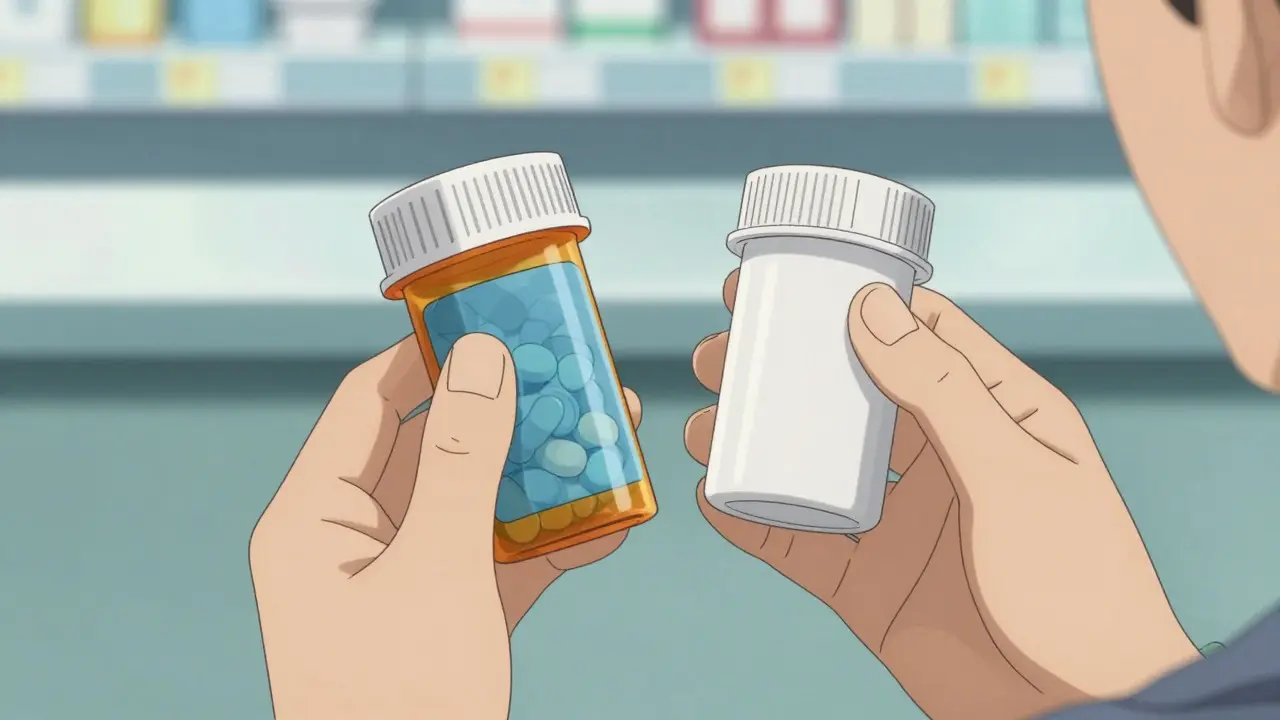
You just picked up your prescription from the pharmacy, but the pill looks different than the one you used before. The color is wrong, the shape is off, and the label has a name you don't recognize. Is it a fake? Or is it just a legitimate generic drug that follows strict regulations but looks different due to trademark rules? This confusion is common. Many people assume that if a medication doesn't look like the brand-name version, something is wrong. In reality, the vast majority of prescriptions filled in the United States are generics, and they are highly regulated. Understanding how to spot a real generic versus a counterfeit can save you money and keep you safe. Here is what you need to know to verify your medication with confidence.
Key Takeaways
- Generic drugs must contain the same active ingredient as the brand-name version but can differ in color, shape, and inactive ingredients.
- Always check for the manufacturer's name, lot number, and expiration date on the packaging.
- Buy only from licensed pharmacies or VIPPS-accredited online sites to avoid counterfeits.
- Look for physical red flags like cracked tablets, unusual odors, or crooked labels.
- Use the FDA’s Orange Book database to confirm a generic’s therapeutic equivalence.
What Makes a Generic Drug Legitimate?
A legitimate generic drug is not a "lesser" version of a brand-name medicine. It is a pharmaceutical product approved by regulatory agencies like the U.S. Food and Drug Administration (FDA) after proving it works the same way in the body. This process is called bioequivalence. For a generic to be approved, its absorption rate and amount in the bloodstream must fall within an 80% to 125% range of the original brand-name drug. The legal foundation for this system was established by the Hatch-Waxman Act in 1984. This law created the Abbreviated New Drug Application (ANDA) process, which allows manufacturers to skip expensive clinical trials because they already know the active ingredient works. Instead, they focus on proving the new version delivers the drug into your system at the same speed and level as the original. According to FDA data, generic drugs account for 90% of all prescriptions filled in the U.S. They represent only 23% of total drug spending, saving the healthcare system hundreds of billions of dollars annually. Because they are so prevalent, knowing how to identify them is a basic health skill.
Physical Signs of a Real vs. Fake Pill
Your eyes are your first line of defense. While generics can look different from brands, they should still look professional. Pfizer Global Security experts note that legitimate pills always have a factory-made appearance. This means consistent color, smooth edges, and clear imprinting. Here is what to look for when you open a new bottle:
- Consistency: All pills in the bottle should look identical. If some are darker, lighter, or chipped, that is a warning sign.
- Texture: Tablets should be solid. Avoid pills that crumble easily, feel powdery, or have a bubbled-up coating.
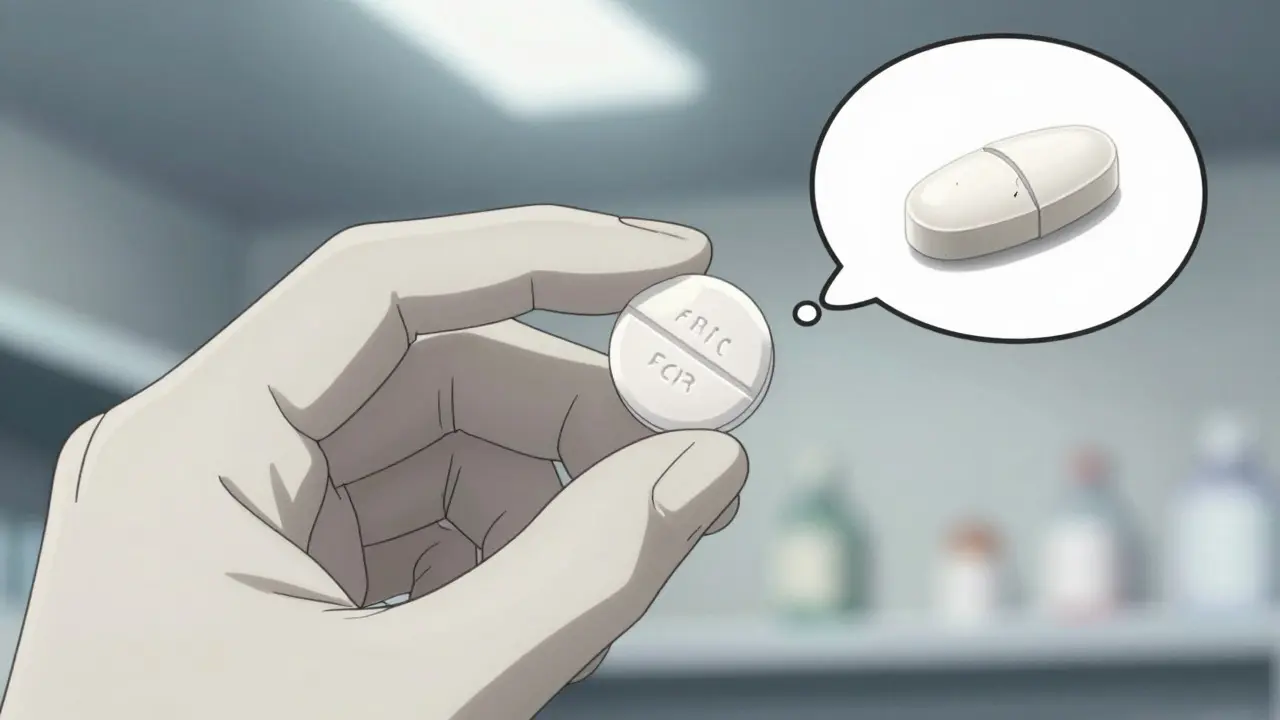
- Imprinting: Check the code on the pill. It should match the description on the box. Counterfeits often have misspellings or blurry codes.
- Odor: Some medications have distinct smells. If your usual pill suddenly smells like chemicals or mold, return it to the pharmacist.
Remember, color changes are normal. Brand-name companies trademark their specific colors and shapes to prevent generics from looking exactly like them. So, a blue pill becoming white does not mean it is fake. But a white pill turning brown or sticky does.
Checking the Packaging and Labeling
The container tells a story about the drug's journey. Legitimate generics move through a documented supply chain. The FDA’s BeSafeRx campaign emphasizes that proper labeling is non-negotiable. Every package should clearly display:
- The manufacturer's name.
- The drug name (both generic and brand if applicable).
- The strength (e.g., 500 mg).
- The lot number.
- The expiration date.
If any of these are missing, faded, or printed on a sticker that looks like it was applied later, be cautious. Crooked labels are a major red flag. In 78% of counterfeit cases reported to the FDA’s MedWatch program, the label was misaligned or poorly applied. Also, watch out for foreign language text on products intended for the U.S. market, which often indicates illegal importation.
Verifying Through Official Databases
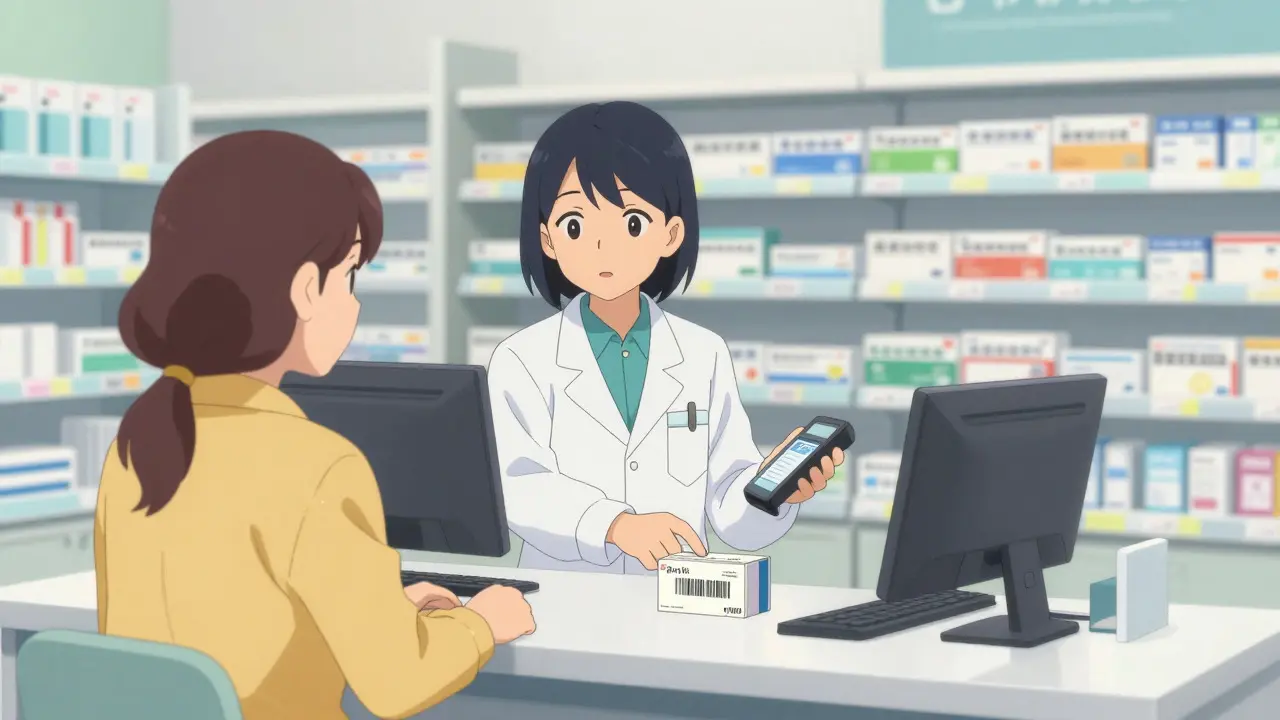
Visual checks are helpful, but digital verification provides certainty. The FDA maintains the Orange Book, a public database of approved generic and reference drug products. As of late 2023, it contained nearly 15,000 approved generic entries. You can search for your specific medication to see if it is listed as therapeutically equivalent to the brand-name version. Additionally, the Drug Supply Chain Security Act (DSCSA) requires serialized tracing for prescription drugs. Since 2023, many major manufacturers have added 2D data matrix codes to their packaging. These codes allow pharmacists and consumers to verify the product's history using apps like MediSafe. If your pharmacy uses modern systems, ask if they can scan the code to confirm authenticity.
| Feature | Legitimate Generic | Counterfeit Drug |
|---|---|---|
| Active Ingredient | Same as brand-name (bioequivalent) | May be missing, under-dosed, or harmful |
| Packaging | Professional, aligned labels, clear codes | Crooked labels, misspellings, poor print quality |
| Source | Licensed pharmacy, verified online site | Unverified websites, street vendors |
| Price | Significantly lower than brand, but reasonable | Suspiciously low (e.g., 50-90% off without reason) |
| Regulatory Status | Listed in FDA Orange Book | Not listed or listed incorrectly |
Where to Buy Safely
The source matters as much as the pill itself. The National Association of Boards of Pharmacy (NABP) reports that 96% of websites selling counterfeit drugs operate outside legal supply chains. To protect yourself, stick to trusted sources. For online purchases, look for the VIPPS seal (Verified Internet Pharmacy Practice Sites). This accreditation ensures the pharmacy meets 22 specific safety criteria. As of 2023, only 62 online pharmacies held this status. If a website offers prescription drugs without asking for a valid prescription, it is likely a scam. Always use secure payment methods and check for a physical address and phone number you can verify.
When to Report a Problem
If you suspect a drug is counterfeit, do not just throw it away. Report it. The FDA’s MedWatch program accepts reports from consumers. In 2022, they received over 1,200 reports of counterfeit drugs, with cardiovascular and erectile dysfunction medications being the most commonly affected categories. Reporting helps track trends and shut down bad suppliers. Pharmacists also play a crucial role. A survey of over 1,200 pharmacists found that most spend 2-3 minutes verifying each generic prescription against manufacturer databases. Trust their expertise. If they hesitate to dispense a generic, ask why. They may be checking for recalls or supply issues.
Frequently Asked Questions
Why does my generic pill look different from the brand-name version?
Brand-name companies hold trademarks on specific colors, shapes, and designs. Generic manufacturers are allowed to change these inactive elements to avoid infringement. As long as the active ingredient and dosage remain the same, the visual difference is normal and legally permitted.
Are generic drugs really as effective as brand-name drugs?
Yes. The FDA requires generics to demonstrate bioequivalence, meaning they deliver the same amount of active ingredient to the bloodstream at the same rate. Studies show that 98.7% of approved generics meet these standards, making them therapeutically equivalent to their brand counterparts.
How can I check if an online pharmacy is legitimate?
Look for the VIPPS (Verified Internet Pharmacy Practice Sites) seal from the NABP. Also, ensure the site requires a valid prescription, lists a physical address, and uses secure checkout. Avoid sites that offer prescription drugs without a prescription or have prices that seem too good to be true.
What should I do if I think I received a counterfeit drug?
Stop taking the medication immediately. Return it to the pharmacy where you bought it. If purchased online, contact the seller and file a report with the FDA’s MedWatch program. Keep the original packaging and any receipts as evidence.
Do generic drugs have the same side effects as brand-name drugs?
Generally, yes, because the active ingredient is the same. However, differences in inactive ingredients (like dyes or fillers) can occasionally cause allergic reactions in sensitive individuals. If you experience new side effects, consult your doctor to determine if the formulation change is the cause.