
How to Manage Sleepwalking and Night Terrors: A Practical Guide
 Apr, 23 2026
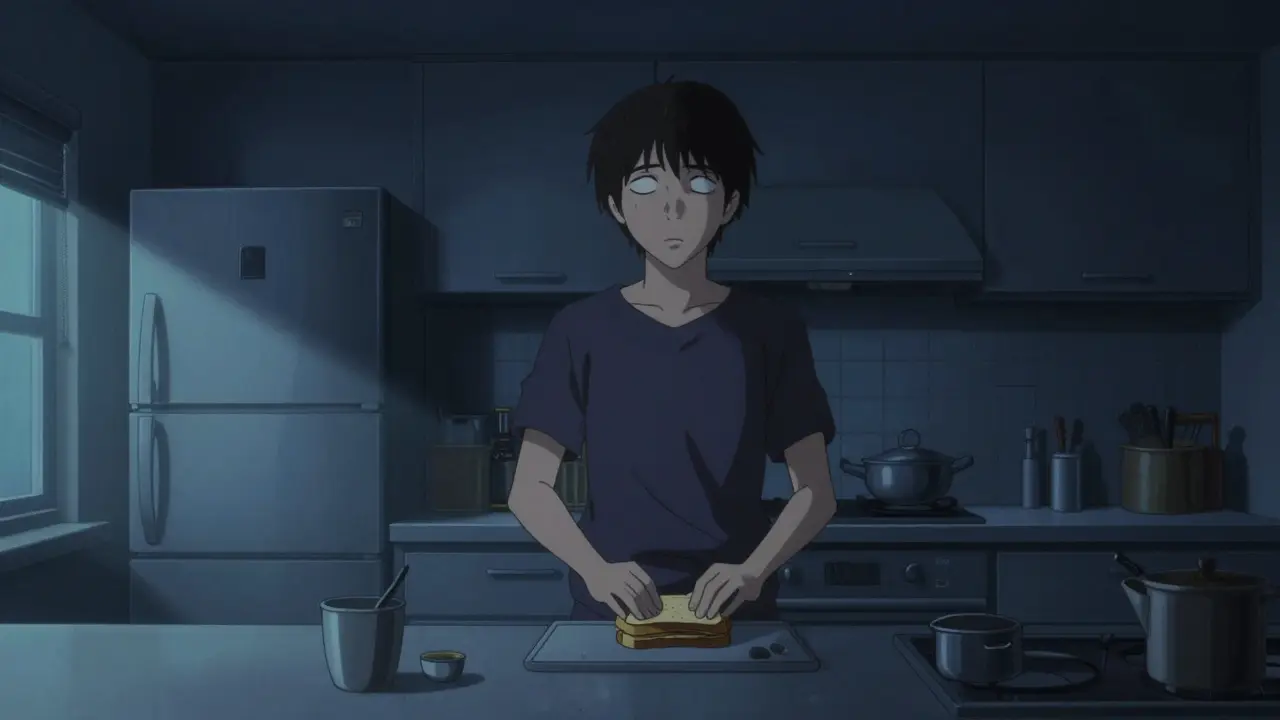
Imagine waking up in your kitchen at 3 AM, halfway through making a sandwich, with absolutely no memory of how you got there. Or perhaps you're a parent who has watched your child scream in terror, eyes wide open, yet they are completely unreachable and fast asleep. These aren't scenes from a movie; they are the reality of parasomnia management is a critical process for those dealing with abnormal behaviors during sleep transitions. While often dismissed as "just a phase" in children, these events can be genuinely frightening and, in some cases, dangerous for adults and kids alike.
The goal isn't always to "cure" these episodes-since many people naturally outgrow them-but to keep everyone safe and improve the quality of rest. Whether you are dealing with a toddler who wanders or an adult who performs complex tasks in their sleep, understanding the difference between these events and how to handle them is the first step toward a peaceful night.
Quick Summary of Key Takeaways
- Safety First: Environmental changes (locks, alarms) are the most effective way to prevent injury.
- Timing Matters: Both sleepwalking and night terrors usually happen in the first third of the night during deep NREM sleep.
- Avoid Forcing Wake-ups: During a night terror, trying to wake the person can sometimes make the episode last longer or trigger a violent reaction.
- Sleep Pressure: Increasing total sleep time often reduces the frequency of episodes.
- Professional Help: Seek a specialist if episodes happen more than twice a week or involve dangerous activities.
Understanding the Chaos: Sleepwalking vs. Night Terrors
Not all sleep disturbances are created equal. To manage them, we first need to identify what is actually happening. Sleepwalking, also known as somnambulism, is a disorder of arousal from non-rapid eye movement (NREM) sleep. It can range from simply sitting up in bed to complex tasks like cooking or even driving. Because it happens during deep slow-wave sleep, about 95% of people have zero memory of the event.
Then there are Night Terrors. These are different from nightmares. While a nightmare happens during REM sleep (dream sleep) and leaves you remembering a scary story, a night terror is a physiological explosion. Your heart rate can jump from a resting 60 bpm to 140 bpm, you might sweat profusely, and you'll likely scream. The most frustrating part? The person is technically still asleep, making them incredibly difficult to soothe or wake up.
| Feature | Night Terrors | Nightmares |
|---|---|---|
| Timing | First 90-120 mins of sleep | Second half of the night |
| Recall | Usually no memory | Vivid memory of dream |
| Physiology | High heart rate, sweating | Moderate arousal |
| Wakefulness | Very hard to wake | Easy to wake |
| Sleep Stage | NREM (Deep Sleep) | REM (Rapid Eye Movement) |

Making the Bedroom a Safe Zone
If you or your child are prone to wandering, the priority isn't the sleep quality-it's the safety. You don't want to find out the hard way that an unlocked front door is a risk. Specialists recommend a "defense-in-depth" strategy to minimize injury. Start by clearing the "danger zone"-a 10-foot radius around the bed-of sharp objects or fragile decor that could be knocked over.
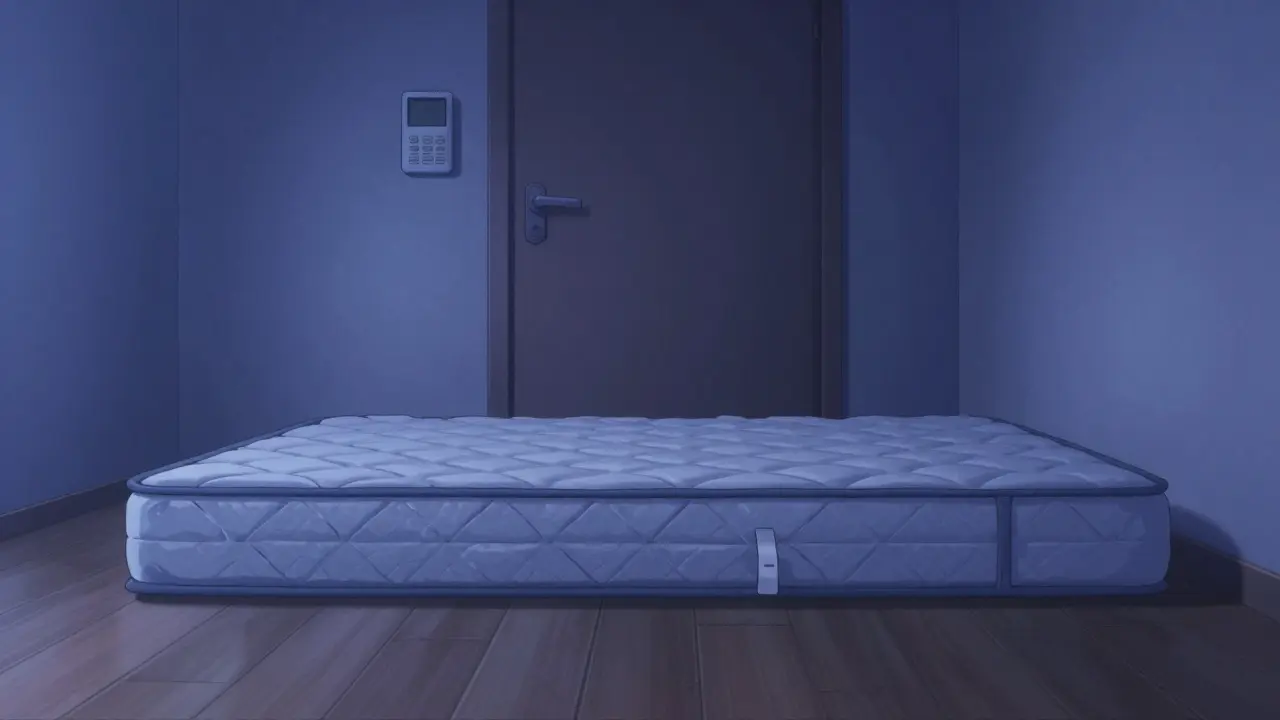
For those who leave the room, budget-friendly tools can be lifesavers. Simple door alarms (costing between $20 and $50) provide an immediate alert to parents or partners. Window locks are another essential, preventing a sleepwalker from attempting to exit through a second-story window. In severe pediatric cases, placing the mattress directly on the floor can reduce fall-related injuries by up to 75%.
Behavioral Strategies That Actually Work
Once the environment is safe, you can focus on reducing the frequency of episodes. One of the most effective methods is Scheduled Awakenings. This involves waking the person about 15 to 30 minutes before their typical episode time. If you've tracked that a child always sleepwalks at 11:30 PM, wake them at 11:00 PM. Doing this consistently for two weeks can break the cycle for many.
Another powerful tool is targeted sleep extension. Many parasomnias are triggered by "sleep pressure"-when the brain is so exhausted that it crashes into deep sleep too aggressively. By adding just 30 to 60 minutes of extra sleep per night, you can reduce the intensity of these arousal disorders. For example, moving a bedtime from 9:00 PM to 8:00 PM has shown significant results in pediatric patients.
Don't overlook the basics of Sleep Hygiene. Keep the room cool (ideally between 60-67°F), dark, and quiet. Maintaining a consistent wake-up time within a 30-minute window helps stabilize the circadian rhythm, which can cut episode frequency by nearly half.
When to Call the Professionals
Most children outgrow these behaviors by adolescence, but some cases require a medical deep dive. If you are an adult and these episodes started recently, it's a red flag. Adult-onset parasomnias can sometimes signal underlying neurological issues or be linked to Obstructive Sleep Apnea or restless legs syndrome. In these cases, a doctor might order Polysomnography-a comprehensive sleep study with EEG and video monitoring-to see exactly what the brain is doing during the event.
For those who don't respond to behavioral changes, Cognitive Behavioral Therapy for Insomnia (CBT-I) or specialized therapy for parasomnias can help. While medications like benzodiazepines (e.g., clonazepam) exist, they are generally a last resort due to dependency risks and are typically only used when episodes occur more than twice weekly or involve high risk of injury.
Should I wake someone up during a sleepwalking episode?
Generally, yes, but do it gently. While the old myth that waking a sleepwalker will give them a heart attack is false, waking them abruptly can cause confusion or a startled, aggressive reaction. The best approach is to gently guide them back to bed without fully waking them up.
How do I handle a child having a night terror?
The most important rule is: do not try to wake them. Night terrors are an arousal struggle; trying to force them awake often prolongs the episode or increases the child's panic. Stay with them to ensure they don't hit anything, speak in a calm, soothing voice, and wait for the episode to pass on its own.
Can stress cause sleepwalking?
Yes, stress and anxiety can trigger episodes or make them more frequent. Stress affects your sleep architecture, often making the transition between sleep stages more erratic, which increases the likelihood of an incomplete arousal event like sleepwalking.
Will my child eventually stop having night terrors?
In the vast majority of cases, yes. Statistics show that about 80-90% of pediatric sleepwalking and night terrors resolve spontaneously by the time the child reaches adolescence as their nervous system matures.
What are the danger signs that I need a doctor immediately?
You should seek urgent evaluation if you experience adult-onset parasomnias, behaviors that are violent or dangerous (like leaving the house), episodes that happen daily, or confusion that lasts more than 15 minutes after waking up.
Next Steps for Management
If you're just starting to manage this, begin by keeping a sleep diary for 4 to 6 weeks. Note the time the episode started, what happened, and if there were any triggers like a late-night snack, a stressful day, or a change in temperature. This data is gold for a sleep specialist.
For parents, focus on a rigorous bedtime routine. A warm bath, reading, and a cool room can lower the arousal threshold. If you're an adult, try the sleep extension method first-add 30 minutes of sleep for a week and see if the frequency drops. If the behaviors remain dangerous, don't hesitate to look for a certified sleep specialist to explore targeted options like CBT-P or the latest wearable detection technology.
Karyn Tindall
April 24, 2026 AT 07:34Oh my goodness, this is absolutely terrifying to think about! I cannot even imagine the sheer horror of waking up and realizing you've been wandering the house in a trance. Truly a nightmare scenario!
Anand Mehra
April 25, 2026 AT 21:24sleep is just a biological glitch anyway... treating symptoms instead of the void
Majestic Blue Band
April 27, 2026 AT 02:15It is absolutely laughable that we are told to just "secure the doors" when it is painfully obvious that these "night terrors" are actually the result of low-frequency electromagnetic waves being beamed into our bedrooms by the government to keep us in a state of perpetual subconscious fear, and honestly, the idea that adding an hour of sleep fixes a systemic neurological manipulation is just a convenient lie fed to us by the pharmaceutical giants who want us docile and dreaming of their overpriced pills while we ignore the flashing lights in the sky that only appear during the NREM stage of sleep, which is where the real brainwashing happens anyway.
Edwin Perez
April 27, 2026 AT 19:34Typical. Another list of "practical tips" that completely ignores the role of fluoride in the water supply affecting the pineal gland. The medical establishment just wants you to buy door alarms instead of questioning why this is suddenly an epidemic in the modern age.
Hayley Redemption
April 27, 2026 AT 21:36The reliance on such rudimentary tools as door alarms is frankly embarrassing. One would think a truly sophisticated approach to parasomnia would involve a nuanced understanding of circadian biology rather than just treating the patient like a stray dog that needs a fence.
Gauri Parab
April 28, 2026 AT 09:19Actually, the suggestion to move a mattress to the floor is incredibly primitive and ignores the ergonomics of spinal health. It's a lazy solution for a complex neurological event, and frankly, the statistics quoted are likely skewed by a lack of rigorous peer review in pediatric settings.
suresh kumar
April 29, 2026 AT 16:28Making a sandwich at 3 AM sounds like a party! Imagine the wild things one could do if they just leaned into the sleepwalking vibe, maybe even some midnight dance parties in the living room while the brain is on autopilot!
Jaclyn Vo
April 29, 2026 AT 22:16Um, hello? Everyone knows that the *real* key is a weighted blanket and lavender oil, which this guide totally missed! 🙄 I've literally seen this work for a dozen people and it's way more effective than waking someone up at 11 PM like some kind of alarm clock! 💅✨
Kristen O'Neal
April 30, 2026 AT 19:11I think there's a lot of merit to the sleep extension strategy mentioned here. If we can just adjust the biological clock slightly, it seems like a much more sustainable way to handle this than relying on medication. It's all about working with the body's natural rhythm instead of fighting it!