
How to Safely Use Short-Term Medications After Surgery
 Jan, 29 2026
Why Medication Safety After Surgery Isn’t Just a Checklist
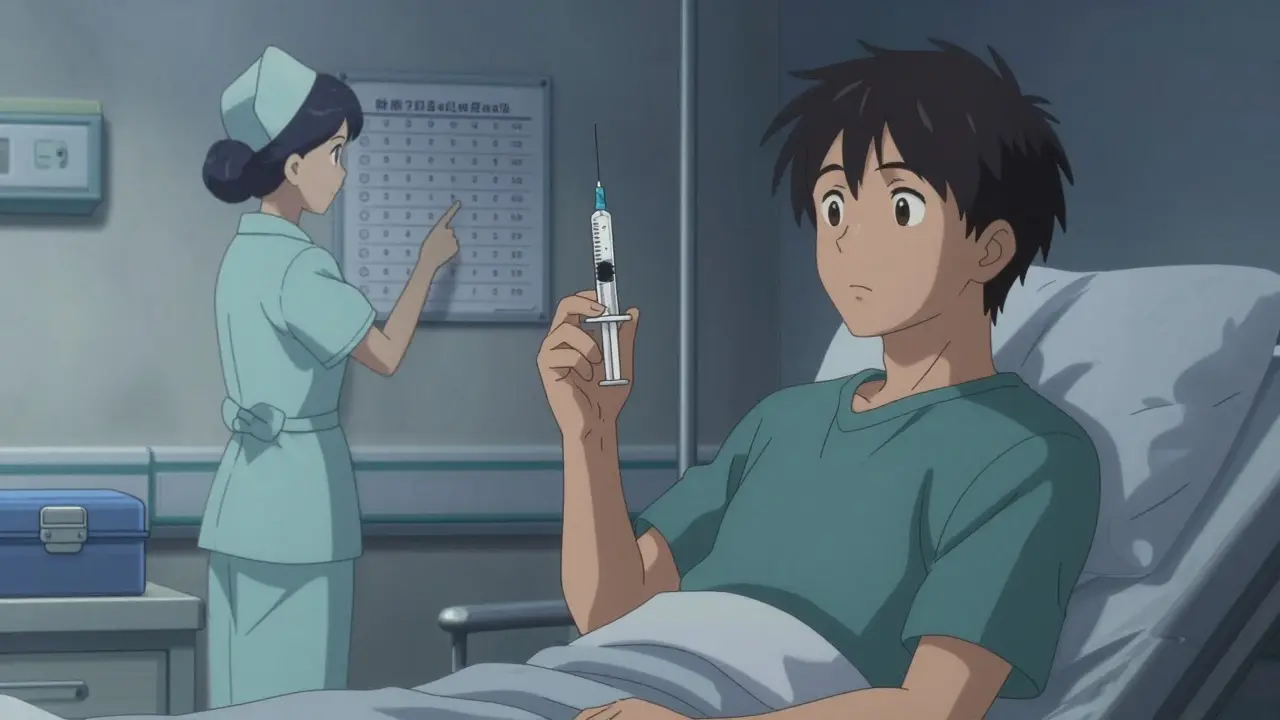
You just had surgery. Your body is healing. You’re probably in pain, maybe a little groggy, and the nurse hands you a pill or a syringe. It seems simple. But what if that pill was meant for someone else? What if the dose was wrong? What if the label was smudged or missing? These aren’t hypotheticals. They happen. And they can turn a routine recovery into a life-threatening event.
The truth is, the first few days after surgery are one of the most dangerous times for medication errors. The World Health Organization says about 20% of all adverse events in surgery come from medication mistakes. That’s not a small risk. It’s a major one. And most of those errors happen because of simple things-poor labeling, rushed communication, or skipping basic steps because everyone’s in a hurry.
What Counts as a Short-Term Medication After Surgery?
Short-term meds after surgery aren’t your daily vitamins or long-term painkillers. These are the drugs you get for a few hours to a few weeks right after your operation. Think: pain relievers like morphine or oxycodone, antibiotics to prevent infection, anti-nausea drugs, blood thinners like heparin, and muscle relaxants. Some are given through an IV right in the recovery room. Others are pills you take at home.
These aren’t ordinary drugs. Many are high-alert medications. That means if you get even a little too much-or the wrong one-it can cause serious harm. A misplaced dose of insulin or epinephrine can crash your system. Too much opioid can stop your breathing. That’s why every step-from the moment the vial is opened to the second you swallow the pill-needs to be handled with care.
Labeling: The Simple Step That Saves Lives
One of the biggest causes of errors? Unlabeled syringes. It sounds crazy, but it happens more than you think. A nurse draws up a drug, sets it down for a second, and someone else picks it up. No name. No dose. No expiration. That syringe could be anything.
The Institute for Safe Medication Practices (ISMP) says every single container with medication-whether it’s a syringe, cup, or IV bag-must be labeled immediately after it’s filled. No exceptions. Empty containers should never be pre-labeled. That’s a rule. Not a suggestion.
And labels aren’t just a name. They need the drug name, concentration (like 1 mg/mL), and the time it was prepared. If it’s not labeled, it gets thrown away. No second chances. In operating rooms and recovery units, unlabeled meds are treated like biohazards. Why? Because in the chaos of surgery, a syringe of morphine can easily be mistaken for one of saline. The difference? One saves you. The other kills you.
Never Reuse, Never Share, Never Leave Unattended
Here’s a hard rule: one syringe, one patient, one time. Always. The CDC made this crystal clear in 2023. Even if you’re giving multiple doses to the same person during one surgery, you can’t reuse the same syringe unless it’s never left unattended-and even then, it’s thrown out the moment the procedure ends.
And never, ever use the same needle or syringe for more than one person. Not even if you think it’s clean. Not even if you’re in a hurry. Between 2001 and 2011, 44 outbreaks of hepatitis B and C were traced back to reused syringes in medical settings. Over 14,000 people were exposed. That’s not a statistic. That’s 14,000 lives put at risk because someone cut a corner.
Same goes for vials. Never draw from a shared vial for multiple patients unless it’s specifically designed for multi-dose use-and even then, it must be labeled with the date and time it was opened. And if you’re at home? Don’t share your pain meds. Not with your spouse. Not with your teenager. Not even with your friend who had a similar surgery. Your prescription is yours alone.
Communication: Say It, Hear It, Repeat It
Most medication errors in surgery happen because someone heard wrong. A doctor says, “Give 5 milligrams of morphine.” The nurse hears “50.” That’s a tenfold overdose. Deadly.
The fix? Read-backs. It’s simple. When a verbal order is given, the person receiving it says it back out loud: “You want 5 milligrams of morphine, IV, now?” The doctor confirms: “Yes.” That’s it. That one step cuts verbal errors by 55%, according to the American College of Obstetricians and Gynecologists.
At home, this rule still applies. If your nurse or pharmacist gives you instructions, repeat them back. “So I take one pill every six hours, not with food, and stop if I feel dizzy?” If they don’t confirm, ask again. Don’t assume. Don’t nod and smile. You’re not being difficult-you’re staying alive.
What to Do at Home: Your Personal Safety Plan
Once you’re home, the hospital’s safety nets disappear. That’s on you. Here’s how to stay safe:
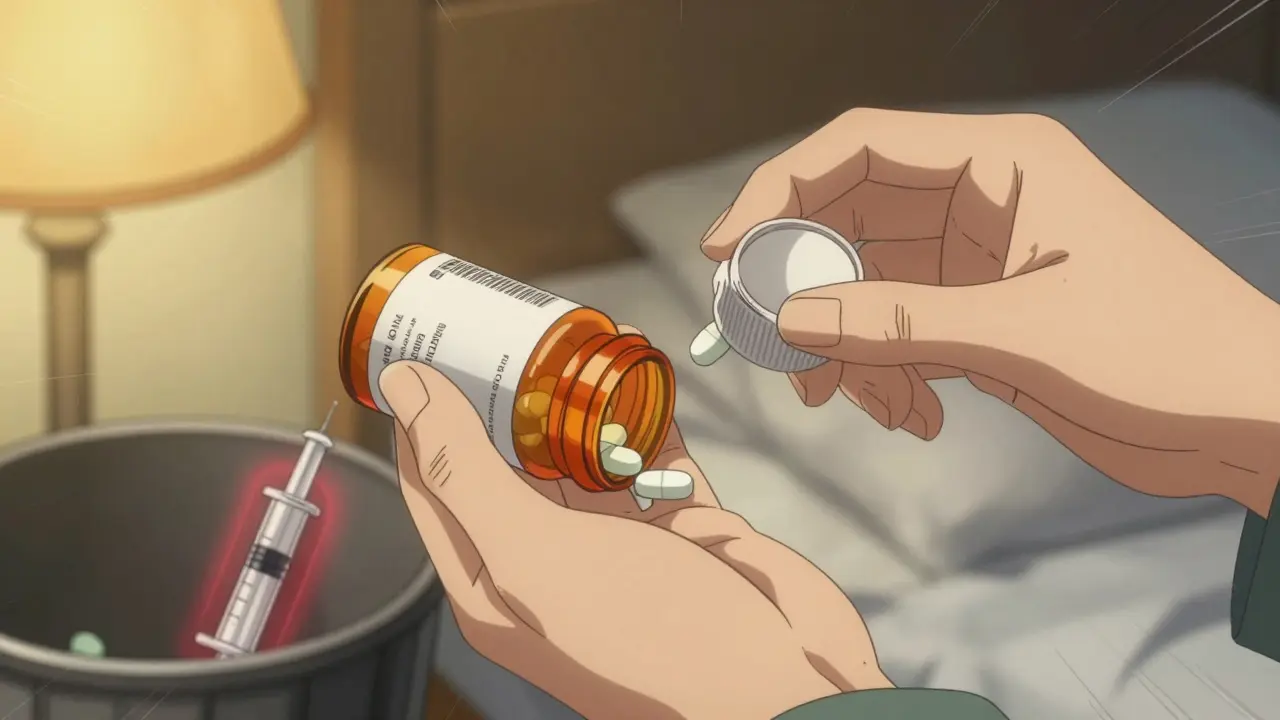
- Keep meds locked up. Especially opioids. Store them in a locked box, away from kids, pets, or visitors.
- Use the original bottle. Never transfer pills to a pill organizer unless you’ve labeled it clearly with the drug name and time.
- Know your dose. If your pain pill says “5 mg,” don’t take two because you think it’s not working. Wait. Call your doctor. Overdosing on opioids is silent. You won’t feel it coming.
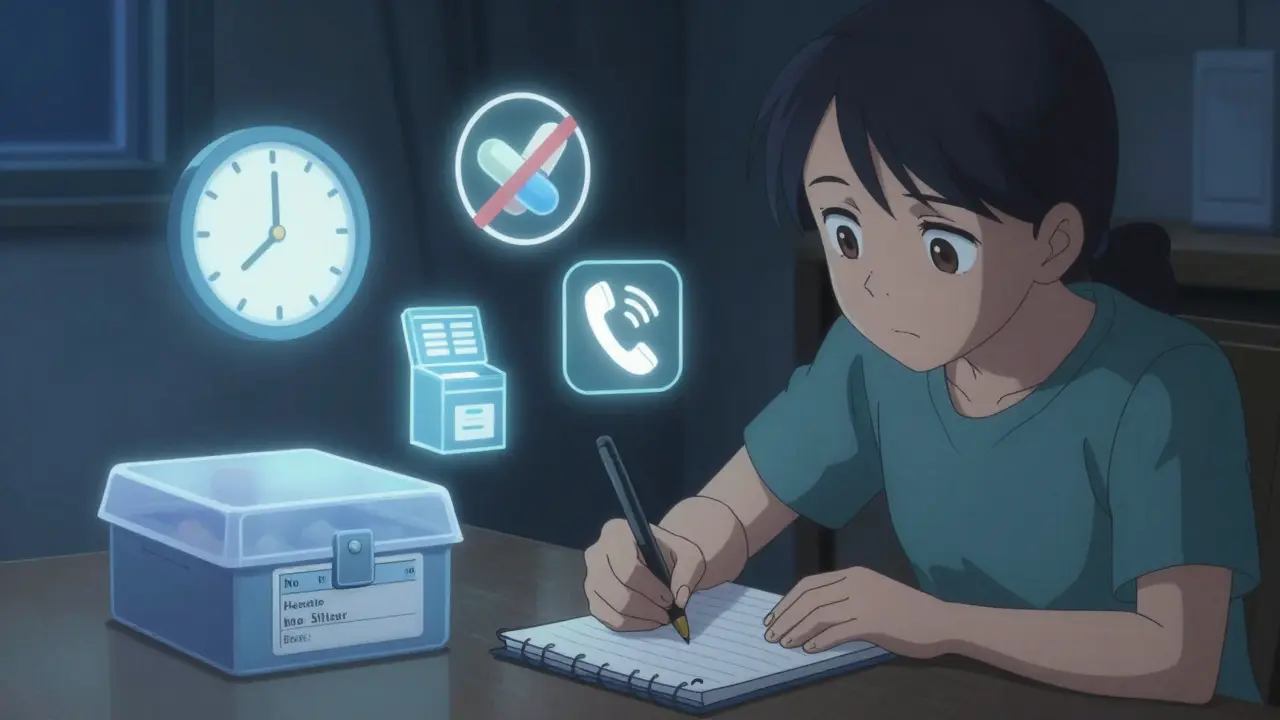
- Track what you take. Write it down. Use a notebook or your phone. Time, dose, how you felt. This helps your doctor adjust your plan.
- Dispose of leftovers. Don’t keep old pain meds. Take them to a pharmacy drop box. Flushing them pollutes water. Keeping them invites misuse.
Red Flags: When Something’s Not Right
Trust your gut. If something feels off, speak up. Here are warning signs:
- The pill looks different than last time.
- The label says one thing, but the bottle says another.
- You’re given a new drug you didn’t ask for.
- You feel dazed, nauseated, or have trouble breathing after taking a pill.
- Someone else is giving you meds without explaining them.
If you see any of these, stop. Ask for clarification. Call your surgeon’s office. Call your pharmacist. Don’t wait. Medication errors often happen because people don’t want to seem “difficult.” But in this case, being loud is the safest thing you can do.
Why This Matters More Than You Think
Medication safety after surgery isn’t just about avoiding mistakes. It’s about control. You’ve been through a big event. Your body is vulnerable. You’re not just recovering from surgery-you’re recovering from the system. Hospitals are busy. Nurses are stretched thin. Doctors are moving fast. But you’re the one who has to live with the consequences.
Facilities that follow full safety protocols-labeling everything, using read-backs, locking up meds-see up to 63% fewer errors. That’s not magic. That’s discipline. And you can bring that discipline home with you.
The goal isn’t perfection. It’s awareness. It’s asking, “Is this right?” before you swallow, inject, or apply. It’s knowing your meds. It’s refusing to let someone else’s rush become your risk.
What’s Changing in 2026
Things are getting better, slowly. Barcode scanning systems are starting to appear in operating rooms. Smart syringes that check the drug name and dose before allowing injection are being tested. The ISMP is rolling out specialty guides for orthopedic and cardiac surgery this year, making safety rules even more precise.
But until those systems are everywhere, the most powerful tool you have is your own voice. And your own attention.
Final Thought: You’re the Last Line of Defense
No machine, no nurse, no doctor can protect you as well as you can protect yourself. You’re the one holding the pill. You’re the one reading the label. You’re the one deciding whether to take it or ask again.
After surgery, your safety doesn’t end when you leave the hospital. It begins.
Can I take someone else’s pain medication after my surgery?
No. Never take someone else’s medication, even if it’s the same drug. Doses are tailored to body weight, medical history, and surgery type. What’s safe for one person could be deadly for another. Also, sharing prescription opioids is illegal and increases the risk of addiction.
How long should I keep my post-surgery pain meds?
Only keep them as long as your doctor advises-usually no more than a few weeks. If you have leftover pills, especially opioids, take them to a pharmacy drop-off location. Don’t store them in your medicine cabinet. Unused pain meds are a major source of misuse in homes.
What should I do if I miss a dose of my post-surgery medication?
Don’t double up. Call your doctor or pharmacist. For pain meds, missing one dose usually means your pain might return, but it’s not dangerous. For antibiotics or blood thinners, missing a dose can be risky. Always check before taking the next one.
Are there safer alternatives to opioids for post-surgery pain?
Yes. Many surgeons now use multimodal pain control: combining acetaminophen, NSAIDs like ibuprofen, nerve blocks, and ice. This reduces or eliminates the need for opioids. Ask your care team if this approach is right for your surgery. It’s often safer and has fewer side effects.
Why is labeling medication so important after surgery?
In busy surgical settings, many drugs look identical. A syringe of morphine and one of saline can be easily confused. Labels with the drug name, concentration, and time prevent deadly mix-ups. Unlabeled meds are discarded because the risk of error is too high. It’s not bureaucracy-it’s survival.
Can I use a pill organizer for my post-surgery meds?
Only if you label each compartment clearly with the drug name, dose, and time. Never transfer pills without labeling. Many errors happen when people assume a pill is what it looks like. A white pill could be acetaminophen-or it could be a high-dose opioid. Always double-check the original bottle.
What should I do if I think I’ve taken too much medication?
Call emergency services immediately if you feel dizzy, have trouble breathing, are extremely sleepy, or can’t stay awake. For opioids, naloxone (Narcan) can reverse overdose-keep it on hand if prescribed. Don’t wait. Don’t hope it passes. Act fast.
Sheila Garfield
January 29, 2026 AT 16:17Man, I had my knee replaced last year and honestly? I was terrified of the meds. But following the label thing? Total game-changer. Wrote everything down on my phone. Even took pics of the bottles. Didn’t want to risk a mix-up.
Melissa Cogswell
January 30, 2026 AT 08:35This is so spot-on. I’m a nurse in a busy ER, and unlabeled syringes still happen-even in 2025. One time, someone grabbed a vial of fentanyl thinking it was saline. We caught it because the tech asked, ‘Wait, why’s this not labeled?’ That’s the culture we need. Ask. Always ask.
Shawn Peck
January 30, 2026 AT 23:07Y’all are overcomplicating this. Just don’t be stupid. Don’t share pills. Don’t take stuff you didn’t get. Don’t let nurses rush you. Done. Simple. Stop making it a philosophy class.
Diana Dougan
February 1, 2026 AT 20:16LOL so the hospital told you to label everything but didn’t give you labels? Classic. They’ll fine you $5000 for an unlabeled syringe but won’t hand you a Sharpie. Also, ‘dispose at pharmacy’-right, because my town has ONE drop box and it’s always full. Thanks for the advice, Captain Obvious.
Beth Cooper
February 2, 2026 AT 07:02Wait… so you’re telling me the government and hospitals don’t want us to have leftover pain meds because they’re scared we’ll get addicted… or because they’re trying to control the population? I’ve seen the stats. Opioid deaths are down since 2020. Coincidence? Or is this all about pushing us toward ‘safer’ alternatives they profit from? 🤔
Kathleen Riley
February 2, 2026 AT 18:46One must acknowledge the ontological primacy of agency in the post-surgical pharmacological landscape. The patient, qua autonomous rational subject, is not merely a recipient of protocol but the telos of the entire medical apparatus. To abdicate epistemic vigilance is to surrender one’s dignity to institutional inertia. Hence, the imperative to interrogate every vial, every syllable of instruction, becomes not merely prudent-but sacred.
April Allen
February 4, 2026 AT 06:10High-alert meds require high-alert cognition. Morphine isn’t aspirin. The margin of error is nanoseconds. I’ve seen ORs where unlabeled syringes were treated like live grenades-and it saved lives. The ISMP isn’t being paranoid; they’re being prophetic. And at home? If your pain med looks different, don’t assume it’s just a generic swap. Call your pharmacy. Ask for the pill identifier. It takes 90 seconds. It might save your life.
Also, the read-back protocol? Non-negotiable. I trained med students using a simulation where a nurse misheard ‘5 mg’ as ‘50 mg.’ The patient coded. We replayed it 17 times. Every time, the error happened because someone nodded instead of repeating. Don’t be that person.
And yes, pill organizers are fine-if you label them like a forensic scientist. White pill? Could be oxycodone. Could be acetaminophen. Could be fentanyl. Don’t trust your eyes. Trust your label. And if you’re unsure? Don’t swallow. Call. Repeat. Confirm.
Medication safety isn’t about trust. It’s about verification. Hospitals have systems. But when you’re home? You’re the system. Be the system.
And if you’re thinking, ‘But I’m fine, I’ve taken this before’-that’s exactly how it starts. One time. One mistake. One unlabeled syringe. One silent overdose. Don’t gamble with your recovery.
Blair Kelly
February 5, 2026 AT 05:11THIS IS WHY AMERICA’S HEALTHCARE IS BROKEN. You tell people to ‘ask questions’ but hospitals won’t even give you a printed list of meds? You want us to ‘track our doses’ but don’t provide a damn app? You want us to ‘dispose’ pills but there’s no drop box for 50 miles? This isn’t safety-it’s victim-blaming with a side of bureaucracy. Fix the system, not the patient.
Holly Robin
February 6, 2026 AT 11:53Okay but have you heard about the opioid cartel that controls the FDA? They’re the ones pushing these ‘safe disposal’ rules because they want you to stop hoarding painkillers and start buying their new ‘non-addictive’ drugs that are actually just fentanyl in disguise. Also, your surgeon probably got a kickback from the pharma rep who gave you those pills. Just saying. 🕵️♀️
Shubham Dixit
February 8, 2026 AT 06:41Look, in India we don’t have all these fancy labeling rules. We have doctors who know what they’re doing. You take the pill they give you, you don’t question it. Why? Because trust. In America, you treat patients like criminals. In my country, we treat them like family. You overthink everything. You label everything. You write everything down. You’re so afraid of error that you forget medicine is an art. Sometimes, you just need to believe in your doctor.
And don’t get me started on ‘never reuse syringes.’ We reuse everything. One needle, five patients. It’s clean. We boil it. You think we’re stupid? We’re resourceful. You think your $200 labeled syringe is safer? Maybe. But it’s not better. It’s just more expensive.
Also, why do you need to track your doses? My grandfather had 12 surgeries. He never wrote anything down. He lived to 92. He trusted. You overthink. That’s your problem.
Sarah Blevins
February 8, 2026 AT 13:22While the intent of this post is commendable, the underlying assumption-that patient vigilance can compensate for systemic failures-is empirically unsound. The burden of error prevention has been externalized onto the postoperative individual, who is often pharmacologically impaired, cognitively fatigued, and emotionally vulnerable. This constitutes a form of institutional negligence masked as empowerment. The data on error reduction correlates with institutional compliance, not patient literacy. The onus must remain on healthcare systems to implement fail-safes, not on patients to become pharmacists.
Yanaton Whittaker
February 9, 2026 AT 02:11AMERICA! WE DO THIS RIGHT! 🇺🇸 No other country labels their syringes like this. No other country tells patients to repeat instructions. We’re #1 in safety because we don’t cut corners. If you’re not doing this, you’re not American enough. Get with the program. 🇺🇸🔥