
Long-Term Steroid Tapers: ACTH Stimulation Testing for Adrenal Recovery
 Jun, 5 2026
Adrenal Recovery & Tapering Estimator
Patient Parameters
Assessment Results
Estimated Recovery Time
--
Recommended Taper Strategy
--
ACTH Stimulation Testing
--
Stopping long-term steroid use is rarely as simple as just cutting the pills. For patients who have relied on glucocorticoids (like prednisone or hydrocortisone) for months or years, abrupt cessation can trigger a life-threatening condition known as adrenal crisis.
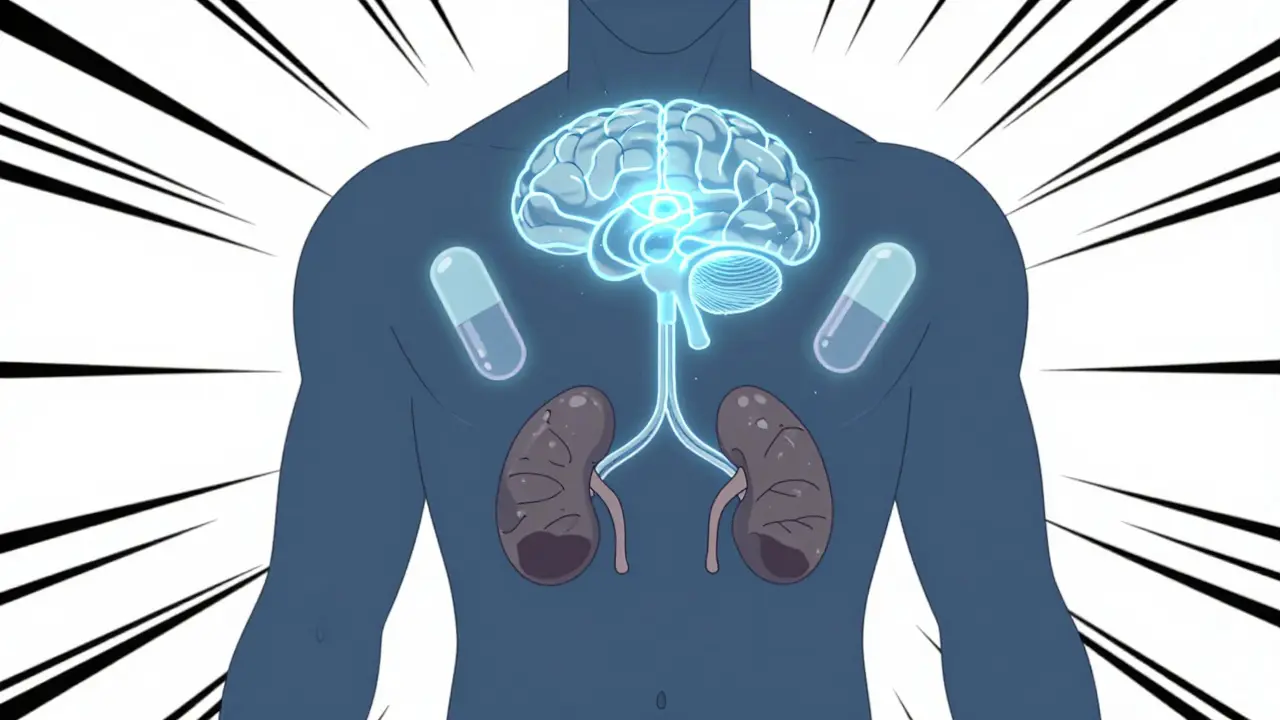
The problem lies in the body's natural stress response system. When you take external steroids, your brain signals your adrenal glands to stop producing cortisol because it thinks there is plenty available. Over time, these glands shrink and become dormant-a state called HPA axis suppression. If you stop the medication too quickly, your body cannot produce the cortisol needed to handle even minor stressors like a cold or a stubbed toe.
This article breaks down the current medical standards for safely tapering off steroids, focusing on how ACTH stimulation testing helps doctors determine exactly when your adrenal glands have recovered enough to function independently. We will look at the latest guidelines from 2024, practical tapering schedules, and what to expect during the recovery process.
Understanding HPA Axis Suppression and Adrenal Insufficiency
To understand why tapering matters, we need to look at the Hypothalamic-Pituitary-Adrenal (HPA) axis. This is the command center for your stress hormones. Normally, your hypothalamus sends a signal to your pituitary gland, which then tells your adrenal glands to release cortisol.
When you introduce synthetic glucocorticoids, this feedback loop gets confused. The high levels of external steroids tell the hypothalamus to stand down. Consequently, the production of endogenous cortisol drops significantly. According to research documented since the 1950s by pioneers like Hans Selye, this suppression is dose-dependent and duration-dependent. The longer you are on steroids, and the higher the dose, the more profound the suppression becomes.
Secondary adrenal insufficiency occurs when the pituitary gland fails to stimulate the adrenals properly after stopping exogenous steroids. This is different from primary adrenal insufficiency (Addison’s disease), where the glands themselves are damaged. In secondary cases, the glands are usually intact but "asleep." They need time-and sometimes stimulation-to wake up.
- Mild Suppression: Often resolves within weeks of stopping short-term therapy (<3-4 weeks).
- Moderate Suppression: Requires a structured taper over 1-3 months for therapies lasting 3-12 months.
- Severe Suppression: Can take 9-12 months or longer to recover if steroids were used for over a year.
The Role of ACTH Stimulation Testing
How do doctors know if your adrenal glands are ready to work again? They use the ACTH stimulation test (also known as the Cosyntropin test). This is the gold standard for assessing adrenal reserve.
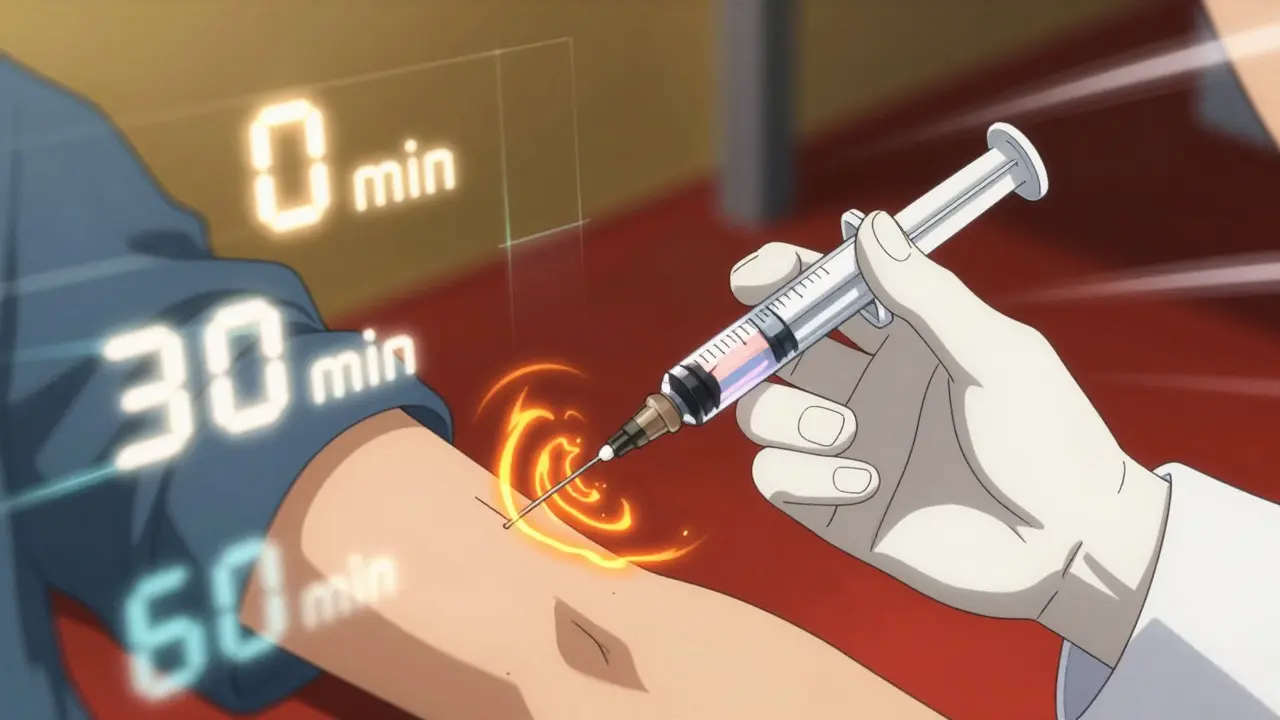
The procedure is straightforward but requires careful timing. A healthcare provider injects 250 mcg of synthetic ACTH (cosyntropin) into a vein or muscle. They then measure your serum cortisol levels at three specific intervals:
- Baseline (0 minutes): Before the injection.
- 30 minutes post-injection: The initial response.
- 60 minutes post-injection: The peak response.
The goal is to see if your adrenal glands can ramp up cortisol production when stimulated. According to the Endocrine Society, a peak cortisol level of ≥18-20 mcg/dL (500-550 nmol/L) indicates that your adrenal glands are sufficient. Levels below 14 mcg/dL (386 nmol/L) suggest that you still have adrenal insufficiency and need to continue replacement therapy or slow down the taper.
Data from longitudinal studies at Mayo Clinic (2015-2020) published in the Journal of Clinical Endocrinology & Metabolism (JCEM) in 2024 showed that incorporating formal ACTH testing reduced the incidence of adrenal crisis from 8.5% to just 1.2%. This dramatic drop highlights why guessing based on symptoms alone is dangerous.
Tapering Protocols: One Size Does Not Fit All
The speed at which you taper depends heavily on how long you’ve been on steroids and why. There is no universal schedule, but several established protocols guide clinicians.
| Protocol/Guideline | Target Audience | Tapering Strategy | Testing Recommendation |
|---|---|---|---|
| Endocrine Society / ESE (2024) | General Population | Rapid taper to physiological doses, then slow taper. No taper needed for <3-4 weeks therapy. | Selective testing for high-risk or symptomatic patients. |
| PJ Nicholoff Protocol (2018 Update) | Duchenne Muscular Dystrophy | Decrease by 2.5-5 mg every 1-2 weeks until "triple maintenance" dose, then 20-25% weekly reductions. | Integrated into a 14-step approach with specific stress-dosing tables. |
| Adrenal Insufficiency Coalition (2020) | Chronic Steroid Users | "One month recovery for every month of suppression." Up to 12 months for >1 year therapy. | Routine testing for all patients after 3 months of therapy. |
For patients on therapy for less than three to four weeks, the 2024 joint guideline from the European Society of Endocrinology and Endocrine Society recommends against a formal taper. You can often stop abruptly. However, for those on treatment for 3-12 months, the PJ Nicholoff Protocol offers a detailed roadmap. It suggests reducing prednisone by small increments (2.5-5 mg) every week or two until you reach a "physiologic equivalent" dose-roughly 4-6 mg of prednisone per day.
Once you hit that low baseline, the taper slows down significantly. Dr. Olaf M. Dekkers, the methodologist for the 2024 guidelines, noted that while high doses can be tapered rapidly to near-physiological levels, the final stretch requires patience. This is when the HPA axis attempts to reboot.
Physiologic Replacement and Mimicking Natural Rhythms
During the taper, especially near the end, doctors often switch patients to hydrocortisone rather than prednisone. Why? Because hydrocortisone has a shorter half-life and mimics the body’s natural cortisol rhythm better.
A typical physiologic replacement dose is 15-25 mg of hydrocortisone per day, divided into three doses:
- Morning (7-8 AM): 10 mg (mimicking the natural cortisol spike upon waking)
- Noon (12 PM): 5 mg
- Early Afternoon (4-5 PM): 5 mg
This dosing schedule avoids taking steroids late in the evening, which can disrupt sleep and further suppress the HPA axis. As you taper, you might reduce the afternoon dose first, then the noon dose, keeping the morning dose last. This gradual reduction allows your adrenal glands to take over each part of the day slowly.
Recognizing Withdrawal vs. Adrenal Insufficiency
One of the biggest challenges during a taper is distinguishing between true adrenal insufficiency and glucocorticoid withdrawal syndrome. Both can feel awful, but they require different responses.
Glucocorticoid Withdrawal Syndrome affects 35-45% of tapering patients. Symptoms include joint pain, muscle aches, fatigue, and irritability. These are caused by the sudden absence of the anti-inflammatory effects of steroids, not necessarily a lack of cortisol for survival. If you experience these symptoms, the 2024 guidelines recommend temporarily increasing the dose back to the last tolerated level and holding steady for a few weeks before trying again. This is not a failure; it’s part of the process.
True Adrenal Insufficiency is more dangerous. Warning signs include:
- Severe nausea and vomiting
- Low blood pressure (hypotension)
- Dizziness or fainting
- Confusion
- Hypoglycemia (low blood sugar)
If you suspect true adrenal insufficiency, do not wait. Seek immediate medical attention. An adrenal crisis can lead to shock and death if untreated.
Stress Dosing: Protecting Yourself During Illness
Even if your ACTH test shows recovery, your adrenal glands may still struggle during times of significant physical stress. This is why stress dosing is critical. Events like surgery, severe infection, or major trauma require higher cortisol levels than normal.
The PJ Nicholoff Protocol provides specific regimens for this. For example, during a mild illness (like a fever under 101°F), you might double your daily dose. For moderate illness or injury, you might triple it. For major surgery, you would receive intravenous hydrocortisone in a hospital setting.
All patients on exogenous steroids should carry a steroid alert card or wear a medical ID bracelet. This ensures that emergency responders know you are at risk for adrenal crisis and need immediate steroid administration if you are unconscious or unable to communicate.
Practical Implementation and Patient Experience
Implementing these protocols isn’t always easy. Access to endocrinologists and ACTH testing varies widely. A 2023 survey by the Adrenal Insufficiency Coalition found that 61% of patients faced wait times of over four weeks for testing. This delay can be dangerous, leading some patients to visit emergency departments due to crises during the waiting period.
Primary care physicians often feel unprepared to manage complex tapers. A 2022 study in *Endocrine Practice* reported that nearly 70% of GPs felt "unprepared" to implement formal ACTH testing protocols. This gap in care highlights the importance of patient advocacy. Ask your doctor for a referral to an endocrinologist if your taper is prolonged or complicated.
Patient anxiety is also a major factor. Data from Adrenal Insufficiency United shows that 78% of surveyed patients experienced significant anxiety during tapering. Knowing what to expect can help mitigate this fear. Keep a symptom diary. Track your energy levels, mood, and any physical discomfort. Share this with your doctor to adjust the taper speed accordingly.
Future Directions in Adrenal Care
The field is evolving. The Endocrine Society announced a mobile app for tapering guidance scheduled for release in late 2024, which aims to democratize access to protocol information. Additionally, the NIH awarded a $4.2 million grant in March 2024 to develop point-of-care ACTH stimulation tests. Imagine getting tested in your doctor’s office instead of sending samples to a lab and waiting days for results.
Research is also exploring salivary cortisol monitoring as a less invasive alternative to blood draws. While not yet standard, these developments promise to make adrenal recovery monitoring easier and more accessible for everyone.
How long does it take for adrenal glands to recover after stopping steroids?
Recovery time varies based on the duration of steroid use. For therapy lasting 3-12 months, recovery may take a few weeks to a few months. For patients on steroids for more than a year, full recovery of the HPA axis can take 9 to 12 months or longer. The general rule of thumb from the Adrenal Insufficiency Coalition is one month of recovery for every month of suppression.
What is a safe rate for tapering prednisone?
There is no single safe rate for everyone. However, common protocols suggest decreasing the dose by 2.5-5 mg every 1-2 weeks until reaching a low physiological dose (around 4-6 mg/day). Once at this low level, reductions should be smaller and slower, such as 1 mg every 2-4 weeks, to allow the adrenal glands to adapt. Always follow your doctor’s specific plan.
Can I stop steroids abruptly if I've only been on them for two weeks?
According to the 2024 Endocrine Society and European Society of Endocrinology guidelines, patients on glucocorticoids for less than 3-4 weeks typically do not require a taper and can stop abruptly. However, if you were on very high doses, consult your doctor first to ensure it is safe for your specific condition.
What are the symptoms of an adrenal crisis?
Symptoms of an adrenal crisis include severe nausea, vomiting, abdominal pain, low blood pressure (leading to dizziness or fainting), confusion, extreme weakness, and low blood sugar. This is a medical emergency requiring immediate injection of hydrocortisone and hospital care.
Why is the ACTH stimulation test important?
The ACTH stimulation test objectively measures whether your adrenal glands can produce enough cortisol when stimulated. It helps doctors distinguish between temporary withdrawal symptoms and true adrenal insufficiency, allowing for safer tapering decisions and reducing the risk of life-threatening adrenal crises.
Do I need to carry a steroid alert card?
Yes, if you are currently taking steroids or have recently stopped them and are still at risk for adrenal insufficiency, you should carry a steroid alert card or wear a medical ID. This informs emergency personnel that you may need immediate steroid treatment in case of an accident, surgery, or severe illness.