
Managing Antidepressant Side Effects: Effective Augmentation Strategies
 Apr, 17 2026
Antidepressant Side Effect Augmentation Guide
Select the side effect you are experiencing to see common augmentation strategies discussed in the article.
Strategy
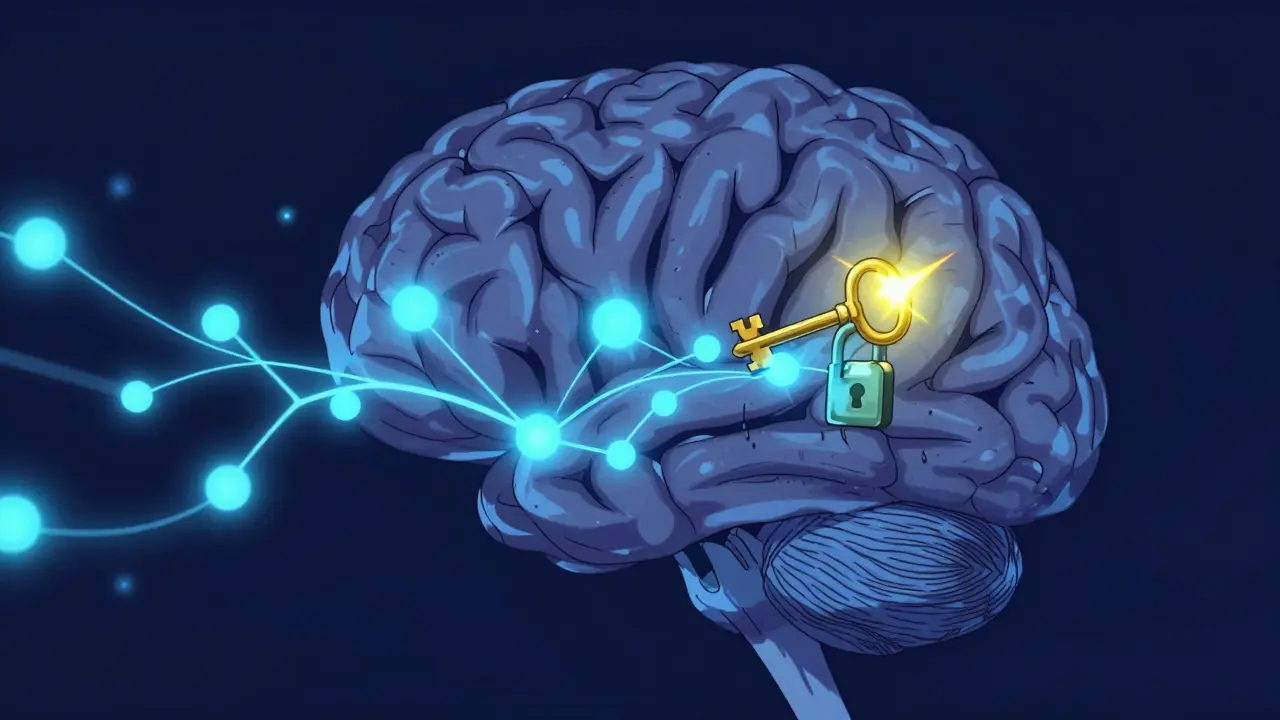
Taking an antidepressant that helps your mood but ruins your sleep or your sex life feels like a cruel trade-off. You're finally feeling less depressed, but now you're dealing with weight gain, insomnia, or a complete loss of libido. Many people think the only options are to suck it up or switch medications entirely-a process that can take months of trial and error. But there is a middle ground called antidepressant augmentation. Instead of swapping your current pill, your doctor adds a second, low-dose medication specifically to cancel out the side effects while keeping the mood-boosting benefits intact.
What Exactly is Augmentation for Side Effects?
Most people have heard of augmentation in the context of "treatment-resistant depression," where a second drug is added because the first one isn't working. However, side-effect-targeted augmentation is different. It's about tolerability. The goal is to stop the adverse reactions that make you want to quit your medication.
Think of it like a chemical counterbalance. If a Selective Serotonin Reuptake Inhibitor (SSRI) is a class of antidepressants that increase serotonin levels in the brain, it can sometimes overstimulate certain receptors, leading to anxiety or sleep issues. An augmenting agent acts as a "plug" for those specific receptors, calming the side effect without lowering the overall amount of serotonin available to treat your depression.
This approach is far more effective than simply lowering your dose. Research shows that when side effects are managed through augmentation, patients are 15-22% more likely to stay on their treatment compared to those who just try to endure the side effects.
Solving the "Bedroom Problem": Sexual Dysfunction
Sexual side effects are incredibly common, hitting anywhere from 30% to 70% of people on SSRIs or SNRIs. Whether it's a lower drive or difficulty reaching climax, it can put a massive strain on relationships and self-esteem. One of the most evidence-backed ways to fix this is by adding Bupropion.
Bupropion is a norepinephrine-dopamine reuptake inhibitor (NDRI) that works differently than standard antidepressants. Because it boosts dopamine and norepinephrine rather than serotonin, it can "wake up" the system that SSRIs sometimes dampen. Clinical data shows a 60% response rate in improving sexual function when bupropion is added, compared to just 20% for a placebo. It's currently the go-to choice for doctors, appearing in about 65% of sexual-side-effect augmentation cases.
However, it's not for everyone. Because it's stimulating, bupropion can make some people feel jittery or increase anxiety in about 15-20% of patients. It's also strictly avoided in people with a history of seizures, as it can slightly increase the risk of an episode.
Fixing the Sleep Gap: Insomnia and Agitation
Some antidepressants are "activating," meaning they can leave you feeling wired or unable to fall asleep. This is especially common with SSRIs, affecting up to 30% of users. When your mood is better but you're only sleeping four hours a night, your mental health eventually crashes anyway.
The most common fix here is low-dose Trazodone. Unlike high doses used for major depression, a tiny dose (25-100 mg) at night acts primarily on the 5-HT~2A~ receptors to promote sleep without the heavy "hangover" feeling. This strategy can reduce insomnia by 40-60% while allowing you to keep your primary antidepressant at a therapeutic dose.
Another option is Mirtazapine. While it's great for sleep (showing a 55-60% improvement), it comes with a catch: weight gain. If you're already struggling with your weight, mirtazapine might be a risky choice, as it can lead to an average increase of 2-4 kg in just eight weeks.
| Target Side Effect | Common Agent | Typical Dose | Success Rate | Main Trade-off |
|---|---|---|---|---|
| Sexual Dysfunction | Bupropion | 75-150 mg | ~60% | Can increase anxiety |
| Insomnia | Trazodone | 25-100 mg | ~65% | Mild daytime grogginess |
| Insomnia | Mirtazapine | 7.5-15 mg | ~55% | Significant weight gain |
| Weight Gain | Topiramate | 25-100 mg | Varies | "Brain fog" / Cognitive slow |
Managing Metabolic Changes and Weight Gain
Weight gain is one of the most frustrating side effects because it's often slow and steady, making it hard to notice until the clothes don't fit. Certain antidepressants can trigger this in up to 50% of patients. When diet and exercise aren't enough, some doctors suggest augmenting with Topiramate.
Topiramate is an anticonvulsant that can help curb cravings and regulate appetite. In controlled trials, people using topiramate saw an average of 2.5 to 4.5 kg more weight loss than those on a placebo. But there's a reason it's not the first choice: "cognitive blunting." Some users describe this as "thinking through cotton" or experiencing a general brain fog that can interfere with work or school.
The Role of Low-Dose Antipsychotics
Sometimes the issue isn't a specific side effect like sleep or sex, but a lingering "flatness" or a partial response to the medication. This is where Aripiprazole comes in. Even at very low doses (2-5 mg), it can boost the antidepressant's effectiveness.
While effective (with a 57% response rate for inadequate responders), this strategy requires the most caution. Aripiprazole can cause metabolic changes and a specific type of restlessness called akathisia-that feeling where you simply cannot sit still. Recent developments, like the Abilify MyCite formulation, have lowered starting doses to 2-3 mg to reduce these risks, cutting the incidence of restlessness by about 30%.

Practical Tips for Navigating Augmentation
If you're considering this route, keep a few things in mind to make the process smoother. First, be patient. While some sleep aids work quickly, most augmentation strategies take 1 to 2 weeks to show a noticeable difference. Many people quit too early because they don't feel a change in the first three days.
Second, keep a detailed log. Note exactly what the side effect is, when it happens, and how it affects your day. For example, instead of saying "I feel weird," tell your doctor, "I have a 40% drop in libido and I can't sleep more than 5 hours." This specificity helps them choose the right agent-whether that's a dopamine booster for sex or a serotonin blocker for sleep.
Third, be aware of the "Polypharmacy Risk." Adding a second drug increases the complexity of your treatment. This is especially important for older adults, as combining multiple psychotropic medications can increase the risk of falls or confusion. Always ask your doctor about potential drug-drug interactions.
Will adding another medication make my depression worse?
Generally, no. Augmentation is designed to complement your primary medication. In many cases, by fixing a side effect like insomnia, your overall depression actually improves because you're finally getting the rest your brain needs to heal.
Is augmentation permanent?
Not necessarily. Some people use augmenting agents as a "bridge" while their body adjusts to a new primary antidepressant. Others stay on them long-term because the balance works. Your doctor will usually evaluate the need every 3-6 months.
Can I just take an over-the-counter sleep aid instead of Trazodone?
You should always check with your doctor first. Many OTC sleep aids can interact with antidepressants or cause excessive drowsiness the next morning. Trazodone is often preferred because it specifically targets the receptors causing the insomnia without the same level of addiction risk as some sedatives.
What if the augmenting medication has its own side effects?
This is the main risk of augmentation. If the new drug causes a side effect that is worse than the original one (like the "brain fog" from topiramate), the doctor will either adjust the dose or switch to a different agent. The goal is a net gain in your quality of life.
How do I know if augmentation is working?
You should see a measurable improvement in the specific target area within 2 to 4 weeks. For example, if you're using bupropion for sexual dysfunction, you should notice an increase in desire or easier arousal. If there's no change after a month, the strategy may need to be adjusted.
Next Steps for Patients
- For those with sleep issues: Ask your doctor if a low-dose 5-HT~2A~ antagonist like trazodone is appropriate for your specific antidepressant.
- For those with libido loss: Discuss the possibility of adding a dopamine-focused agent like bupropion, provided you don't have a seizure history.
- For those struggling with weight: Track your weight and caloric intake for two weeks, then present this data to your provider to see if a metabolic agent is necessary.
- For those feeling "stuck": If your mood is only partially improved, ask about low-dose atypical antipsychotics and ensure you have a plan for metabolic monitoring (weight and glucose checks).
Bob Collins
April 18, 2026 AT 04:35Bupropion really is a game changer for the bedroom stuff. Glad to see it mentioned here because most GPs just tell you to deal with it or switch brands, which is a nightmare.
Shalika Jain
April 20, 2026 AT 00:04Honestly, this all sounds way too simplistic. Like, imagine thinking a tiny dose of Trazodone magically fixes insomnia without making you feel like a zombie the next morning. It's almost cute how this post ignores the systemic failure of psychiatric care in favor of a neat little table. My experience was far more chaotic and definitely didn't follow a 60% success rate. Most of these 'proven' stats are just pharmaceutical marketing disguised as medical advice anyway.
julya tassi
April 20, 2026 AT 08:38I had no idea about the Topiramate option for weight gain! :) My current med has me craving sugar 24/7 and it's so hard to fight. :)
Mike Beattie
April 20, 2026 AT 20:00The cognitive blunting associated with topiramate is a massive red flag regarding neuroplasticity and executive function. We're essentially trading metabolic syndrome for a diminished synaptic efficacy. It's a precarious balancing act of neurotransmitter modulation where the iatrogenic effects often outweigh the therapeutic window.
Don Drapper
April 22, 2026 AT 11:51Absolutely catastrophic. We are essentially playing chemical roulette with our brains and calling it 'augmentation' to make it sound sophisticated. It is a tragedy of the highest order that we must stack pills like Lego blocks just to achieve a semblance of a normal human existence! The sheer audacity of suggesting a 15% increase in adherence is a victory is simply insulting to the suffering masses!
dallia alaba
April 23, 2026 AT 09:16For anyone looking into the Aripiprazole route, definitely make sure you are monitoring your blood sugar. Even at those low doses, the metabolic shift can be real, and it's better to catch it early with a simple A1C test. It helps to keep a baseline of your weight and glucose before starting the augmentation so you have a clear comparison point.
Tokunbo Elegbe
April 23, 2026 AT 12:35This is such a helpful breakdown!!! It really empowers the patient to have a more informed conversation with their provider... which is so necessary in healthcare today!!!
Lucy Kuo
April 24, 2026 AT 01:27It is truly heart-wrenching to consider how many individuals suffer in silence because they believe sexual dysfunction is an inevitable part of their recovery. This information provides a beacon of hope for those who feel they must choose between their mental stability and their intimacy. We must strive for a world where holistic well-being is the standard, not a luxury afforded to those who find the right combination of chemicals.
Grace Grace
April 24, 2026 AT 22:05Omigosh I tried mirtazapine and the weight gain was just unbeleivable!! I felt like a balloon within a month! Please be careful with that one folks, the sleep is great but the cravings are realy intense.
Lesley Wimbush
April 25, 2026 AT 03:48Sweetie, if you're still on a basic SSRI and not augmenting, you're basically living in the stone age of psychiatry. I've been on a customized cocktail for years and it's simply the only way to maintain a high-functioning lifestyle. Most people just lack the sophistication to manage their chemistry properly.
aman motamedi
April 25, 2026 AT 09:29I appreciate the detailed explanation regarding the chemical counterbalance of these medications. It is a prudent approach to manage side effects carefully.
William Young
April 26, 2026 AT 09:38Just take it slow and keep your doctor in the loop. It's a marathon, not a sprint.