
Mindfulness for Anxiety: Proven Techniques and Clinical Evidence Guide
 Mar, 31 2026
Understanding Mindfulness for Anxiety
Anxiety often feels like a constant hum in the background of your life, interrupting focus and draining energy. While medication remains a common route, many people search for alternatives that address the root causes without unwanted side effects. Mindfulness is a set of evidence-based meditation practices that cultivate nonjudgmental awareness of present-moment experiences to reduce anxiety symptoms. This approach isn't just about relaxation; it is a structured psychological intervention backed by decades of rigorous testing. Current research classifies mindfulness-based interventions as first-line psychological treatments for anxiety disorders, standing shoulder-to-shoulder with traditional therapies.
The concept gained global traction when Jon Kabat-Zinn developed the Mindfulness-Based Stress Reduction (MBSR) program in 1979 at the University of Massachusetts Medical School. Originally designed for chronic pain management, the protocol expanded to treat anxiety. Recent data from a 2024 meta-analysis in Frontiers in Psychology confirms that these protocols remain highly effective today. If you are considering this path, understanding the mechanics helps manage expectations. It requires consistent effort, much like physical training, rather than a quick fix.
How Clinical Protocols Work
Effective treatment relies on standardized protocols, not random meditation apps downloaded at bedtime. The gold standard involves an eight-week structured program known as MBSR is an 8-week structured program with 2.5-hour weekly sessions plus 45 minutes of daily home practice. Another prominent approach is Mindfulness-Based Cognitive Therapy (MBCT), which blends mindfulness principles with cognitive behavioral strategies.
These programs are built on technical specifications that drive physiological changes. Sessions typically last 2.5 hours per week, supported by 45 minutes of daily practice at home. This consistency is crucial. The American Psychological Association's 2023 review of over 200 studies found that mindfulness interventions demonstrate moderate to large effect sizes specifically for anxiety reduction. The magic happens in the repetition, creating neural pathways that support emotion regulation.
| Treatment Type | Timeframe | Side Effects | Long-term Maintenance |
|---|---|---|---|
| MBSR / Mindfulness | 8-12 weeks | None reported | High (68.4% relapse reduction) |
| Medication (Escitalopram) | 2-4 weeks | Common (Nausea, Insomnia) | Moderate (Requires ongoing use) |
| Cognitive Behavioral Therapy | 8-12 weeks | N/A | Moderate (47.2% relapse reduction) |
This comparison highlights why many patients prefer mindfulness approaches. In the 2022 JAMA Psychiatry TAME trial, MBSR showed a remission rate of 48.6%, nearly matching the 50.9% remission rate seen with escitalopram. However, the medication group saw side effects affecting 82.3% of users, primarily nausea and sexual dysfunction. For those sensitive to pharmaceutical interventions, this noninferiority offers a compelling alternative.
Physiological Changes in the Brain
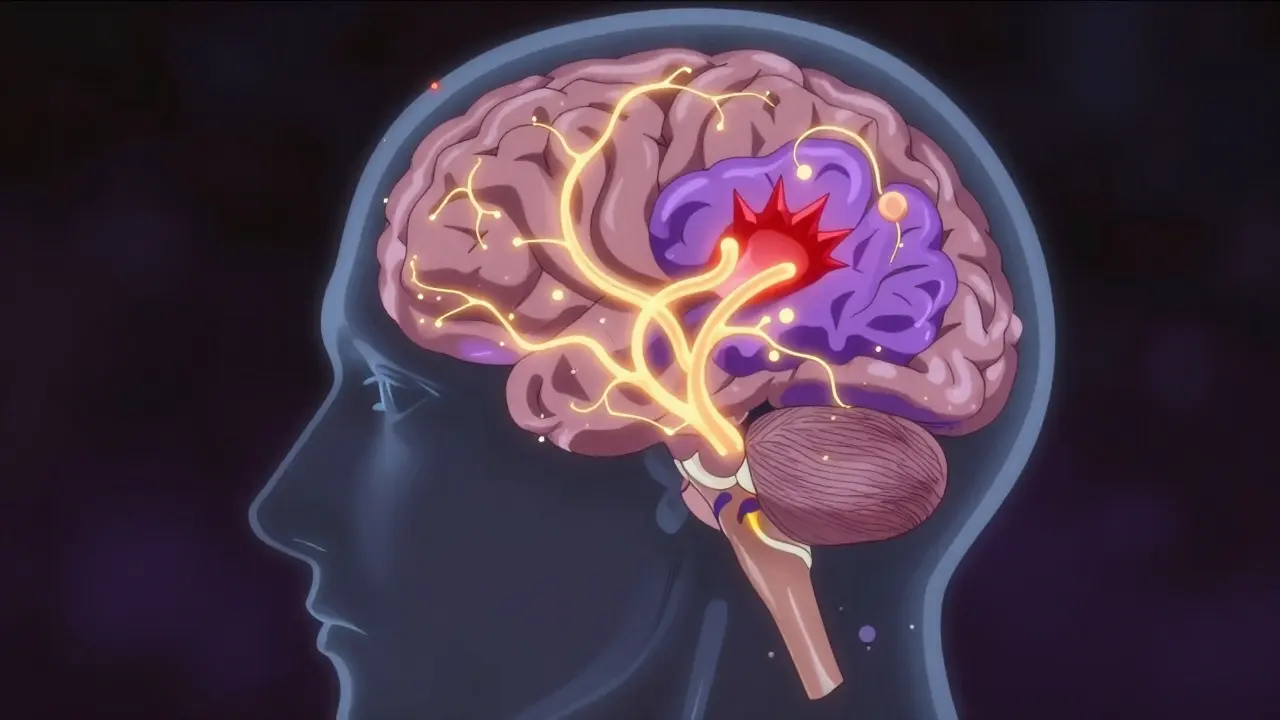
You might wonder if "focusing" really changes biology. Neuroimaging studies published by Harvard Health Publishing indicate significant structural changes after just 8 weeks of regular practice. Regular practitioners see a 4.1% increase in gray matter density in the hippocampus, the region managing memory and emotion. Simultaneously, amygdala volume decreases by 6.3%. Since the amygdala acts as the brain's fear center, shrinking this area directly correlates with reduced anxiety symptoms.
Specific techniques produce measurable bodily responses. The body scan exercise, for instance, has been shown to alter heart rate variability parameters significantly. A 2023 study recorded a 32.7% increase in HF power and a 28.4% decrease in the LF/HF ratio, indicating better autonomic nervous system balance. Grounding exercises further help by reducing cortisol levels by 27.3%, according to a 2022 Journal of Clinical Psychology trial. These aren't vague feelings of calm; they are quantifiable physiological shifts.
Practical Techniques for Daily Life
While formal classes work best, incorporating specific skills into your day can maintain progress. Here are three core practices grounded in clinical data:
- Diaphragmatic Breathing: Slow your respiration to 5.5 breaths per minute. This rhythm induces parasympathetic activation, signaling safety to the nervous system. Try this when you feel the initial onset of stress.
- The Body Scan: Spend 20 minutes systematically moving attention through your body parts. This trains the mind to notice physical sensations without reacting emotionally to them. It builds tolerance for discomfort.
- Focused Attention: Start with 5-minute daily sessions of focused breathing before progressing. Mayo Clinic research suggests starting small prevents overwhelm. Consistency beats duration in the early stages.
Implementation requires navigating a learning curve. Most people reach "effortless awareness" between 2 and 4 weeks. During the first few sessions, expect mind-wandering to occur 15 to 20 times. By week six, EEG studies show this drops to 3 to 5 times per session. Jefferson Health's 2024 guide notes that 87% of successful practitioners use reminder systems to maintain consistency. Setting a calendar alert can be the difference between success and quitting.
Efficacy Across Different Conditions
Mindfulness excels in specific contexts, making patient selection important. It shows robust efficacy for Generalized Anxiety Disorder (GAD) and test anxiety, with one 2024 meta-analysis reporting a 71.3% symptom reduction. Performance metrics across 20 comparisons show an aggregate effect size of -0.716, indicating moderate to large anxiety reduction. However, limitations exist. Acute panic attacks often require immediate pharmacological intervention where mindfulness cannot compete for speed of relief.
When compared to Cognitive Behavioral Therapy (CBT), mindfulness demonstrates superior long-term maintenance of gains. Data from the 2016 Lancet trial showed 68.4% relapse reduction at 12-month follow-up for MBCT versus 47.2% for CBT. The trade-off is speed; CBT showed 27.3% improvement at 4 weeks compared to 18.6% for MBSR. If you need rapid relief in crisis, CBT might be preferable initially. If you seek lasting resilience, mindfulness shines.

Expert Perspectives and Limitations
Leading researchers offer balanced views on adoption. Dr. Elizabeth Hoge from Massachusetts General Hospital states that MBSR is a well-tolerated option comparable to first-line medication. However, Dr. Stefan Hofmann of Boston University warns that high heterogeneity in outcomes suggests individual differences in treatment response. His 2021 meta-analysis notes that personalized matching of techniques to patient characteristics is necessary. Not everyone responds equally well.
The American Psychiatric Association's 2023 Practice Guideline lists mindfulness as a second-line monotherapy option (Level B recommendation). It ranks below CBT but above alternative therapies like acupuncture. Regulatory considerations also play a role. Currently, the FDA has cleared only two mindfulness apps for medical claims (Dreem for insomnia, reSET for substance use), placing most anxiety interventions in the wellness category. This distinction matters if you need insurance reimbursement.
Can mindfulness completely replace anti-anxiety medication?
The 2022 JAMA Psychiatry trial found MBSR noninferior to escitalopram, suggesting it can replace medication for many. However, acute cases may still need drugs initially. Always consult your doctor before stopping prescriptions.
How long does it take to see results with mindfulness practice?
Clinical evidence suggests a minimum of 8 weeks of consistent daily practice to achieve measurable effects. Users often report feeling calmer earlier, but statistical significance usually appears around month two.
Is online mindfulness training as effective as in-person classes?
Current data from the JAMA trial indicates virtual delivery has not yet been proven non-inferior to medication. Online programs are growing in popularity, but instructor guidance remains critical for optimal outcomes.
What are the common challenges beginners face?
The biggest hurdle is consistency, cited by 54.7% of app users. Additionally, 28.3% of participants in clinical trials reported initial anxiety exacerbation before benefits emerged. Prepare for a steep learning curve.
Does mindfulness help with sleep and blood pressure too?
Yes, Mayo Clinic research documents broader benefits including 22.7% improvement in sleep quality and 19.4% reduction in blood pressure, extending value beyond just anxiety management.
Next Steps for Practitioners
Starting your journey involves commitment. Research shows that 87.2% of practitioners cite improved emotional regulation as a top benefit. If you decide to begin, find a certified MBSR instructor. There are currently 1,247 certified instructors across the U.S. alone, with hospital-based programs available at 83% of academic medical centers. Do not rely solely on generic apps; look for programs aligned with the standardized protocols used in clinical trials.
Your mental health landscape is unique. While the data supports mindfulness as a powerful tool for anxiety, personal experience varies. Some individuals respond faster due to genetic markers or prior experience. The upcoming MIND-ANXIETY trial (NCT04987128) aims to clarify efficacy in diverse populations further. Stay informed, track your own GAD-7 scores objectively, and give the practice the time it deserves to reshape your brain's stress response system.
Sam Hayes
April 1, 2026 AT 04:42It is really important to remember that consistency beats duration especially in the early stages of training your mind to handle stress properly. The studies cited show that 87% of practitioners maintain success when they set reminders which is a huge deal for retention rates. You don't need to spend hours on the cushion to get results but you do need to show up regularly for the practice. Most people quit because they expect immediate relief instead of viewing it as a skill development process similar to learning an instrument.
Vicki Marinker
April 2, 2026 AT 04:31The statistical significance reported in the meta-analysis requires careful interpretation regarding sample sizes and control groups involved in the trials. While the effect sizes appear promising, individual variance remains a significant confounding factor in longitudinal studies of psychological interventions.
Will Baker
April 4, 2026 AT 03:42Oh wow, another magic cure-all for human misery disguised as scientific fact. People love to believe staring at their breath fixes capitalism-induced anxiety.
HARSH GUSANI
April 4, 2026 AT 06:04Stop listening to Western apps and go back to roots of yoga and meditation in India 🇮🇳 Our sages knew this thousands of years before Harvard. 😤 Big Pharma wants you dependent on pills 🚫🧪 Mindfulness is ancient wisdom stolen and sold back to us. 🙏 Support authentic Indian teachers not random algorithms. 🔥🧘♂️
The Charlotte Moms Blog
April 4, 2026 AT 06:53The data presented here is fascinating regarding treatment efficacy and I appreciate the detailed breakdown. I noticed the specific mention of the JAMA Psychiatry trial results immediately and found them compelling. It is crucial that we understand the implications for patients suffering daily from chronic conditions. Many families ignore these proven methods due to stigma surrounding mental health issues. We must advocate for better access to these non-pharmaceutical interventions for our community members. The side effect profile of medication is simply unacceptable for long-term use in my opinion. Nausea affects quality of life significantly more than any temporary discomfort of focus training sessions. Furthermore, the cost benefit analysis clearly favors structured mindfulness programs over endless prescriptions. Insurance companies should be pushing reimbursement protocols much harder for qualified patients! Parents specifically need to know about the body scan exercises for adolescents dealing with school stress. Anxiety impacts academic performance in ways that are rarely measured correctly by standardized testing. Schools ought to integrate these diaphragmatic breathing techniques into curriculum starting in elementary grades. We cannot allow children to grow up medicated without trying alternative paths first for stability. The relapse reduction stats are genuinely life changing for chronic sufferers who struggle year round. Please share this information widely with your support networks everywhere so people can heal better!!
Lawrence Rimmer
April 4, 2026 AT 10:59Perhaps the true nature of anxiety is not a biological flaw but a philosophical error in perception of self identity. If one changes the fundamental relationship with thought then the physiological symptoms resolve naturally without external tools. The metrics are superficial measurements of a deeper spiritual disconnect that cannot be fixed by breathing patterns alone.
Aysha Hind
April 5, 2026 AT 07:19This feels suspiciously aligned with what insurance lobbyists want to hear about reducing pharmaceutical costs. Why does the FDA clear apps for insomnia but leave anxiety regulation entirely unregulated? Someone is hiding the full impact of digital therapy monetization strategies behind these 'wellness' classifications.
Rob Newton
April 6, 2026 AT 03:31Most people never reach the neural rewiring stage because they lack discipline. Only the serious practitioners get the benefits while others waste time on apps that dont work.
Sakshi Mahant
April 6, 2026 AT 08:39There is certainly merit in finding balance between modern science and traditional practices for healing. Everyone responds differently depending on their background and readiness to learn new skills. We should encourage exploration without judging others who need medical help during acute phases.
Joseph Rutakangwa
April 7, 2026 AT 02:38Meditation works fine if you actually stick to it consistently for months.
Hope Azzaratta-Rubyhawk
April 9, 2026 AT 01:38You need to commit to this fully or nothing changes in your brain chemistry forever. Stop making excuses and start scheduling your daily practice right now! This is the only way to regain control over your nervous system completely. Success demands action today not vague plans for next week. Your potential is wasted if you keep avoiding the hard work of emotional regulation training. Take charge of your mental health destiny with absolute determination and focus!