
Obstructive Sleep Apnea: CPAP Therapy vs. Alternative Treatments Guide
 Jul, 24 2026
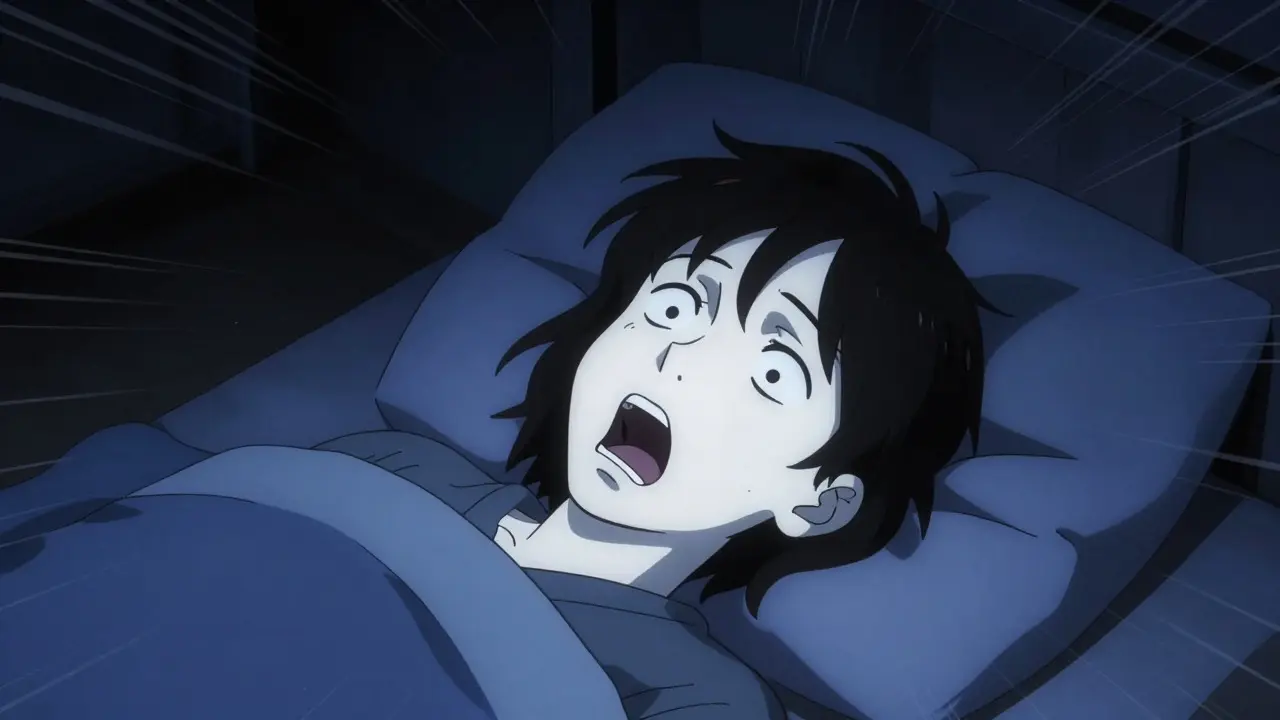
Imagine falling asleep, only to wake up gasping for air because your throat muscles have collapsed and blocked your breathing. This isn't just a bad dream; it is the reality for millions of people living with Obstructive Sleep Apnea (OSA), a chronic condition where the upper airway repeatedly closes during sleep, fragmenting rest and starving the body of oxygen. If you or a loved one has been diagnosed with OSA, you are likely staring down a wall of medical jargon and treatment options that feel overwhelming. The most common recommendation? A machine called CPAP. But what if that doesn’t work for you? What if you hate wearing a mask? You are not alone, and more importantly, you are not out of options.
What Is Obstructive Sleep Apnea?
To understand the treatments, we first need to understand the problem. OSA occurs when the soft tissues in your throat relax too much during sleep, blocking the airway. Your brain notices you aren't getting enough oxygen and briefly wakes you up-often so briefly you don't remember-to restart breathing. This cycle can happen dozens or even hundreds of times a night. The result? Poor sleep quality, daytime fatigue, and increased risk for high blood pressure, heart disease, and stroke. According to Dr. Andrey Zinchuk from Yale Medicine, approximately 1 billion people worldwide are affected by sleep apnea. It is a global health crisis disguised as a simple snoring issue.
CPAP Therapy: The Gold Standard
Continuous Positive Airway Pressure (CPAP) therapy was developed in 1981 by Dr. Colin Sullivan and his team at the University of Sydney. It remains the gold standard for treating moderate to severe OSA. The concept is simple: a machine delivers a constant stream of pressurized air through a mask, acting like a pneumatic splint to keep your airway open. Modern devices are quiet (around 26-30 decibels, similar to a whisper) and lightweight (1.5-3.5 pounds).
There are three main types of CPAP machines:
- Standard CPAP: Delivers a fixed pressure set by your doctor.
- Auto-CPAP (APAP): Automatically adjusts pressure throughout the night based on your breathing patterns.
- Bilevel PAP (BiPAP): Provides two different pressures-one for inhaling and a lower one for exhaling-which can be easier for those who struggle with high pressure.
The benefits are significant. Studies show that consistent use (7+ hours per night) can reduce the Apnea-Hypopnea Index (AHI)-a measure of how often breathing stops-from severe levels to near-normal. It also improves blood pressure control, reducing systolic BP by 5-10 mmHg, and drastically cuts daytime sleepiness. However, the biggest hurdle is adherence. About 35% of new users report mask discomfort, and claustrophobia affects 12%. If you aren't using it, it isn't working.
Why People Struggle With CPAP
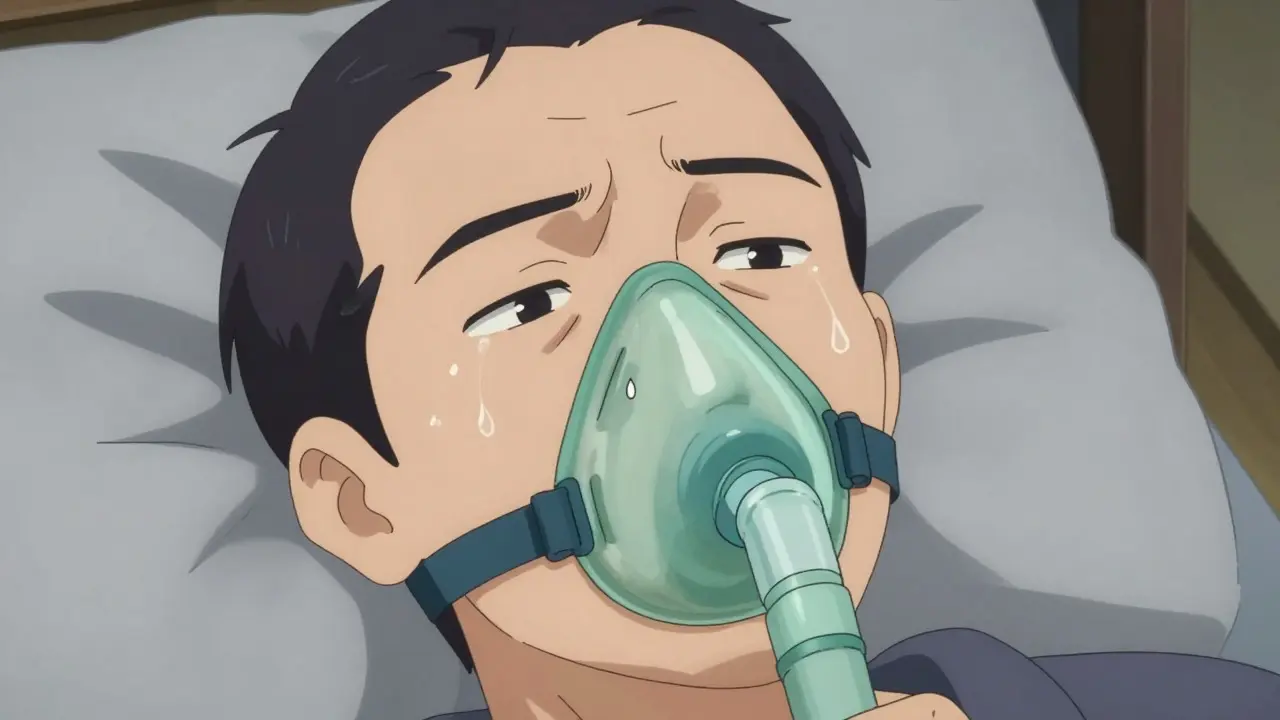
Let’s be honest: wearing a plastic mask strapped to your face all night is not comfortable for everyone. Common complaints include mask leaks, nasal dryness, and difficulty traveling with the equipment. Data from ResMed shows that while 97% of patients complete their first month visit, usage stabilizes at around 5.2 hours per night by six months. Medicare and private insurers typically require 4 hours of use on 70% of nights to maintain coverage. If you fall below this threshold, you might be considered non-adherent, leaving you untreated despite having a prescription.
User experiences online reflect this struggle. On Reddit’s r/CPAP community, mask discomfort is cited in 68% of negative reviews. One user shared, "After 3 months of struggling with leaks, I switched to a nasal pillow mask and now get 7+ hours of usage." Another said, "I've tried 5 different masks over 2 years and still can't tolerate more than 2 hours - the claustrophobia is unbearable." These stories highlight that CPAP is not a one-size-fits-all solution.
Alternative Treatment: Oral Appliances
If CPAP feels like too much, Oral Appliances, also known as mandibular advancement devices, are a strong alternative. These look like sports mouthguards or retainers and work by gently pulling your jaw forward to keep the airway open. They are particularly effective for mild to moderate OSA and for patients who cannot tolerate CPAP.
Here is why many prefer them: comfort and convenience. A review by the American Academy of Dental Sleep Medicine (AADSM) found that oral appliances are used for 77% of nights after one year, compared to CPAP’s median adherence of 4-5 hours per night. Four out of six crossover trials reported patient preference for oral appliances due to greater comfort and easier travel portability. However, they may not be as effective as CPAP for severe cases. In severe OSA, CPAP significantly improved AHI compared to oral appliances in retrospective studies.
Surgical Options and Hypoglossal Nerve Stimulation
For those who want a permanent fix or have failed other treatments, surgery is an option. Traditional surgeries like uvulopalatopharyngoplasty (UPPP) involve removing tissue from the throat. However, success rates are modest, ranging from 40-60%, according to the Mayo Clinic. Recovery can be painful, and results vary widely.
A newer, more advanced option is Hypoglossal Nerve Stimulation, such as Inspire therapy. This involves implanting a device similar to a pacemaker that stimulates the nerve controlling the tongue, preventing it from blocking the airway during sleep. It shows impressive results, with a 79% reduction in AHI. But there are caveats: it requires invasive surgery, costs approximately $35,000 out-of-pocket, and is only suitable for specific candidates (typically those with BMI under 32 and no central sleep apnea). It is not a quick fix, but for eligible patients, it can be life-changing.
Positional Therapy and Lifestyle Changes
Not all sleep apnea is created equal. For some, the airway collapses only when sleeping on their back. This is called positional OSA. Positional Therapy Devices, like NightBalance, use gentle vibrations to encourage side-sleeping. Studies show these can reduce AHI by up to 51% in positional patients. It’s a low-tech, low-cost solution that works wonders for the right person.
Lifestyle changes also play a crucial role. Weight loss is one of the most effective non-invasive treatments. Even a 10% reduction in body weight can significantly improve OSA severity. Avoiding alcohol before bed, quitting smoking, and maintaining good sleep hygiene can further support treatment efforts. These steps should complement, not replace, medical therapy, but they make a tangible difference.
| Treatment | Best For | Effectiveness | Adherence Rate | Invasiveness |
|---|---|---|---|---|
| CPAP | Moderate to Severe OSA | High (when adhered to) | ~70% meet 4hr/night goal | Non-invasive |
| Oral Appliances | Mild to Moderate OSA | Moderate to High | 77% of nights | Non-invasive |
| Hypoglossal Nerve Stimulation | Severe OSA, CPAP intolerant | High (79% AHI reduction) | High (once implanted) | Invasive Surgery |
| UPPP Surgery | Specific anatomical issues | Low to Moderate (40-60%) | N/A | Invasive Surgery |
| Positional Therapy | Positional OSA only | High for target group | Variable | Non-invasive |
How to Choose the Right Treatment
Your choice depends on several factors: severity of OSA, personal tolerance for devices, cost, and lifestyle. Start with a proper diagnosis via polysomnography or home sleep testing. Discuss your symptoms and preferences openly with your sleep specialist. If you have severe OSA and can tolerate a mask, CPAP is likely your best bet for immediate relief. If you struggle with compliance, ask about oral appliances or positional therapy. If you are a candidate for surgery and want a long-term solution, explore hypoglossal nerve stimulation. Remember, the best treatment is the one you will actually use every night.
Living With Sleep Apnea
Managing OSA is a marathon, not a sprint. It requires patience, experimentation, and ongoing communication with your healthcare provider. Don’t give up if the first mask doesn’t fit or if the first appliance feels awkward. Technology is advancing rapidly, with new algorithms improving event detection and digital therapeutics helping with adherence. You deserve restful sleep and better health. With the right approach, you can take control of your sleep apnea and wake up feeling refreshed.
Is CPAP the only treatment for obstructive sleep apnea?
No, CPAP is not the only treatment. While it is the gold standard for moderate to severe OSA, alternatives include oral appliances, surgical options like UPPP or hypoglossal nerve stimulation, positional therapy devices, and lifestyle changes such as weight loss. The best choice depends on individual needs and tolerance.
How effective are oral appliances compared to CPAP?
Oral appliances are generally less effective than CPAP for severe OSA but offer higher adherence rates. Studies show they are used for 77% of nights after one year, compared to CPAP's median of 4-5 hours per night. They are particularly effective for mild to moderate cases and for patients who cannot tolerate CPAP.
What is hypoglossal nerve stimulation?
Hypoglossal nerve stimulation is a surgical treatment involving an implanted device that stimulates the nerve controlling the tongue to prevent airway collapse during sleep. It is highly effective, showing a 79% reduction in AHI, but is invasive, expensive (around $35,000), and only suitable for specific candidates.
Can lifestyle changes cure sleep apnea?
Lifestyle changes alone rarely cure OSA, but they can significantly improve its severity. Weight loss, avoiding alcohol before bed, quitting smoking, and maintaining good sleep hygiene can reduce symptoms and enhance the effectiveness of other treatments. A 10% reduction in body weight can lead to substantial improvements.
Why do people struggle with CPAP adherence?
Common reasons for CPAP non-adherence include mask discomfort, claustrophobia, nasal dryness, air leaks, and difficulty traveling with the equipment. About 35% of new users report mask discomfort, and 12% experience claustrophobia. Finding the right mask type and adjusting settings can help mitigate these issues.