
Ocular Migraines: Visual Aura and When to Worry
 Mar, 24 2026
When you suddenly see zigzag lines, flashing lights, or blind spots in your vision, it’s easy to panic. Is it a stroke? A tumor? Or just a migraine? The truth is, not all visual disturbances are the same - and confusing them can be dangerous. Many people call any vision problem during a migraine an "ocular migraine," but that term hides two very different conditions with very different risks. One is common and mostly harmless. The other is rare, and if missed, could cost you your sight.
Two Conditions, One Name
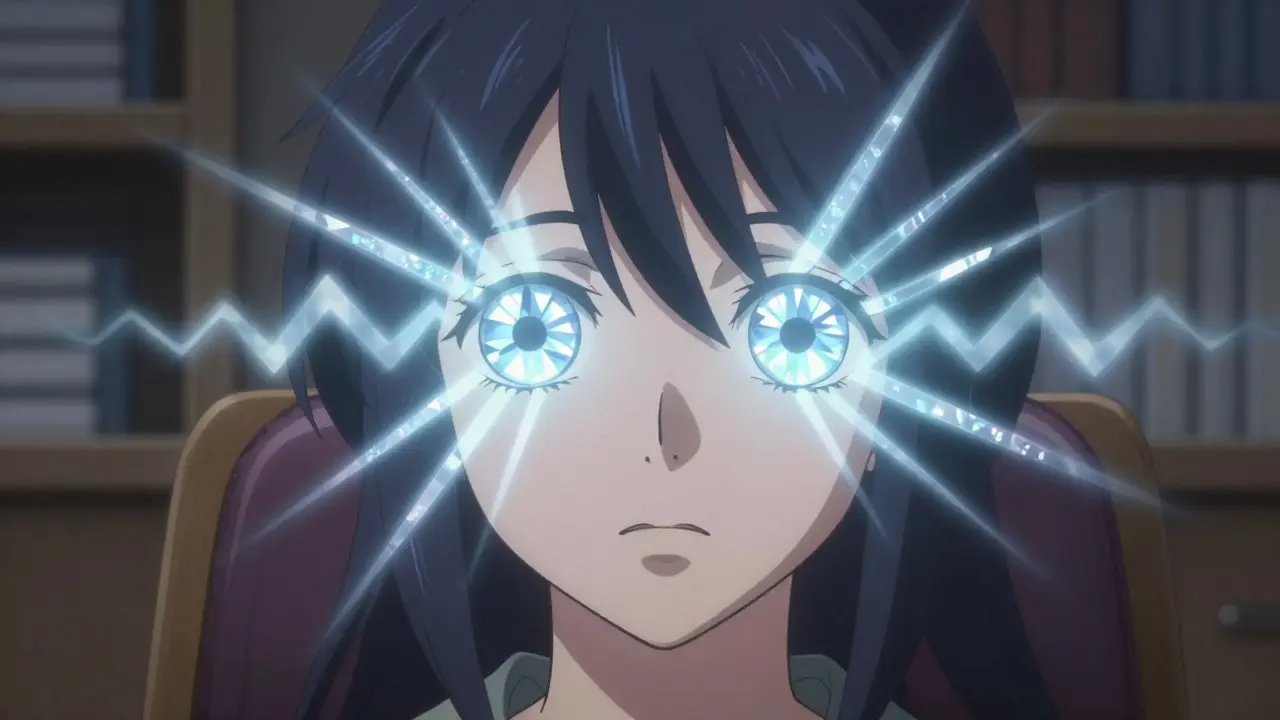
The confusion starts with the name. What most people call "ocular migraine" is actually migraine with visual aura. This affects about 25% of all migraine sufferers and hits both eyes at once. You don’t need to open your eyes to see it - close them, and the zigzags or shimmering spots are still there. That’s because it’s not in your eye. It’s in your brain, specifically in the visual cortex. A wave of electrical activity, called cortical spreading depression, sweeps across the back of your brain at about 3 mm per minute. This temporarily scrambles how your brain processes light, creating the classic aura symptoms: scintillating scotomas (89% of cases), zigzag lines (72%), and flashing lights (68%).True retinal migraine is something else entirely. It’s rare - less than 1% of migraine cases - and affects only one eye. If you cover your left eye and the vision problem disappears, it’s likely not retinal migraine. If it stays, it probably is. Symptoms here are different: sudden graying of vision (63%), complete vision loss (28%), or shimmering lights confined to one eye. These come from the retina or optic nerve, not the brain. The cause? Likely a temporary spasm in the tiny blood vessels feeding the retina, cutting off oxygen for a few minutes.
How Long Do Symptoms Last?
Timing matters. Migraine with aura usually lasts between 5 and 60 minutes, with most people experiencing symptoms for about 27 minutes. The visual disturbance often starts as a small blind spot near the center of your vision, then grows outward like a ripple, taking 20 to 30 minutes to fully develop. Headache usually follows, but not always. About 15% of people have aura without any head pain at all.Retinal migraine symptoms are shorter - typically 10 to 20 minutes, averaging just 14 minutes. Vision loss happens fast, and it resolves just as quickly. If your vision fades for 30 minutes or more, that’s not typical for either type of migraine. That’s a red flag.
What Else Should You Notice?
Migraine with aura doesn’t stop at vision. Nearly a third of people also get tingling or numbness in their face or hands. One in five has trouble speaking - slurred words, trouble finding names. A small number even feel weakness on one side of the body. These are called sensory or motor auras. They happen because the electrical wave spreads beyond the visual cortex.Retinal migraine? Only vision. No numbness. No speech trouble. No weakness. If you have those other symptoms along with vision loss in one eye, it’s probably not retinal migraine - it could be something much more serious.

When Should You Worry? The Red Flags
Most visual auras are harmless. But some aren’t. Here’s when to act:- Lasting longer than 60 minutes - Only 4.2% of typical aura cases go this long. If your vision doesn’t come back within an hour, get help. This is a major stroke warning sign.
- New symptoms after age 50 - If you’ve never had migraines before and suddenly see flashing lights at 55, don’t wait. This could be a stroke, a tumor, or giant cell arteritis.
- One eye only, with no headache - Especially if it happens more than once a week. This looks like amaurosis fugax - a mini-stroke from carotid artery blockage. It’s often mistaken for retinal migraine.
- Weakness or numbness on one side - This is a classic stroke sign. Even if you think you have a migraine, if you can’t move your arm or your speech is slurred, call 911.
- Scalp tenderness, jaw pain when chewing, or unexplained weight loss - These are signs of giant cell arteritis, an inflammation of blood vessels that can cause permanent blindness in days if untreated.
- High blood pressure (over 160/100) with new vision symptoms - This combo is a red flag for hypertensive emergency or stroke.
One study found that 18% of people who thought they had ocular migraines actually had giant cell arteritis. And 20% of those untreated cases lost vision permanently within a week. That’s not something you want to gamble with.
What Causes These Episodes?
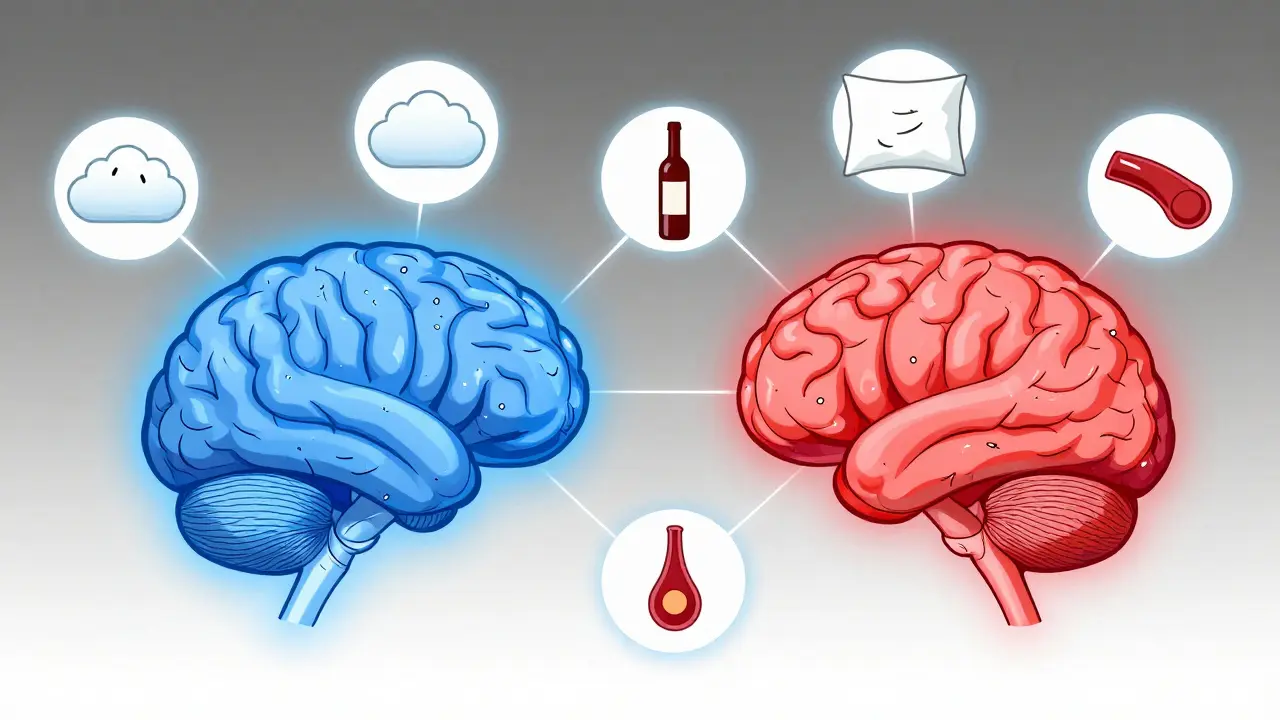
Triggers are similar for both types: stress (78% of sufferers), hormonal shifts (65% of women), poor sleep (52%), and certain foods. Aged cheeses, red wine, and artificial sweeteners like aspartame are common culprits. But while migraine with aura is mostly genetic and neurological, retinal migraine often points to underlying vascular problems.People with retinal migraine are more likely to have high cholesterol, high blood pressure, or narrowed arteries. One study found that 23% of patients diagnosed with retinal migraine actually had 70% or more blockage in their carotid artery. That’s why doctors recommend carotid ultrasound if you have repeated episodes lasting under 10 minutes.
Treatment: What Works - and What Doesn’t
For migraine with aura, triptans (like sumatriptan nasal spray) work well - they relieve pain in 72% of cases within two hours. Gepants (like rimegepant) are newer options that don’t constrict blood vessels, making them safer for people with heart issues. Preventive meds include beta-blockers (propranolol), calcium channel blockers (verapamil), and CGRP blockers like erenumab. Lifestyle changes help too: regular sleep cuts aura episodes by 37%, magnesium (600mg daily) reduces frequency by over 40%, and mindfulness practices lower them by 32%.For retinal migraine, things are different. Triptans and other vasoconstrictors are contraindicated. They could worsen the blood flow problem in your retina. Instead, treatment focuses on finding and fixing the root cause: high blood pressure, high cholesterol, smoking, or artery disease. Stopping smoking alone can cut recurrence risk by half. If you have frequent episodes, your doctor should check your carotid arteries and possibly prescribe a daily aspirin or statin.
What Happens Long-Term?
The good news? Most people with migraine with aura keep their vision for life. A 20-year study showed 98% had no lasting vision damage. The bad news? Retinal migraine can be a warning sign. About 12% of people with repeated episodes and underlying vascular disease develop permanent vision loss. That’s why follow-up care matters - not just for the migraine, but for your heart and arteries.One patient on a migraine forum shared: "I was told it was just stress for eight months. Then I had a second episode - this time, my neurologist ordered an ultrasound. I had 70% carotid blockage. I needed stents. If they’d checked sooner, I might have avoided a stroke."
What Should You Do Next?
If you’ve never had migraines before and now have visual symptoms:- Write down exactly what you see - does it affect one eye or both?
- How long does it last?
- Do you have any other symptoms - numbness, speech trouble, headache?
- Have you had high blood pressure, diabetes, or smoking history?
Then see a neurologist or neuro-ophthalmologist. Don’t wait for it to happen again. A simple visual field test during an episode can confirm whether it’s brain-based (aura) or eye-based (retinal). Blood tests for inflammation (ESR, CRP) can rule out giant cell arteritis. An ultrasound can check your carotid arteries.
Don’t assume it’s "just migraines." Too many people do - and pay the price.
Can ocular migraines cause permanent vision loss?
True retinal migraine - the rare type affecting one eye - carries a small risk of permanent vision loss if linked to underlying vascular disease like carotid stenosis or hypertension. About 12% of people with frequent episodes and untreated vascular issues develop lasting damage. Migraine with aura, which affects both eyes, almost never causes permanent vision loss. The visual symptoms are temporary and fully reversible.
Is migraine with aura a type of stroke?
No, migraine with aura is not a stroke. But it can mimic one, and it increases stroke risk - especially in women under 45 who smoke or use hormonal birth control. Studies show it raises stroke risk by more than twice. The electrical disturbance in the brain during aura is temporary and harmless on its own, but the same factors that trigger migraines (like blood vessel narrowing) can also contribute to stroke.
Why do I see zigzag lines during a migraine?
The zigzag lines - called scintillating scotomas - happen because of cortical spreading depression. This is a wave of abnormal electrical activity that moves slowly across the visual cortex at the back of your brain. As it passes, it temporarily disrupts how your brain interprets visual signals. Your brain fills in the gap with patterns it recognizes: zigzags, fortifications, or shimmering lights. It’s not your eyes malfunctioning - it’s your brain misfiring.
Can stress trigger ocular migraines?
Yes - stress is the most commonly reported trigger, cited by 78% of migraine sufferers. It doesn’t matter if it’s emotional stress, lack of sleep, or work pressure. Stress changes your body’s chemistry, triggering waves of electrical activity in the brain (for aura) or tightening blood vessels in the eye (for retinal migraine). Managing stress with regular sleep, mindfulness, or exercise can reduce aura frequency by up to 32%.
Should I take medication for ocular migraines?
It depends on the type. For migraine with aura, medications like triptans or gepants can help stop symptoms fast. But for true retinal migraine, those same drugs are dangerous - they constrict blood vessels and could worsen vision loss. If you’re unsure which type you have, don’t self-treat. See a specialist first. Prevention is better than reaction: magnesium, sleep hygiene, and avoiding triggers like red wine and artificial sweeteners are safer long-term strategies.
Are ocular migraines hereditary?
Yes, migraine with aura has a strong genetic link. If one parent has it, you’re about twice as likely to develop it. Research shows specific genes involved in brain excitability and nerve signaling are passed down. Retinal migraine, however, is less about genetics and more about vascular health - so family history matters less than your blood pressure, cholesterol, and smoking habits.
Alex Arcilla
March 26, 2026 AT 08:00Brandon Shatley
March 27, 2026 AT 16:54Jefferson Moratin
March 29, 2026 AT 06:09Caroline Dennis
March 30, 2026 AT 21:25Zola Parker
March 31, 2026 AT 19:11florence matthews
April 2, 2026 AT 02:21Kenneth Jones
April 2, 2026 AT 23:50Mihir Patel
April 4, 2026 AT 08:16Kevin Y.
April 4, 2026 AT 13:26Raphael Schwartz
April 6, 2026 AT 12:35Marissa Staples
April 7, 2026 AT 15:37Rachele Tycksen
April 8, 2026 AT 10:49Grace Kusta Nasralla
April 10, 2026 AT 00:29Korn Deno
April 10, 2026 AT 02:31Alex Arcilla
April 11, 2026 AT 19:03