
Oral Appliance Therapy for Snoring: How Mandibular Advancement Works
 Jun, 19 2026
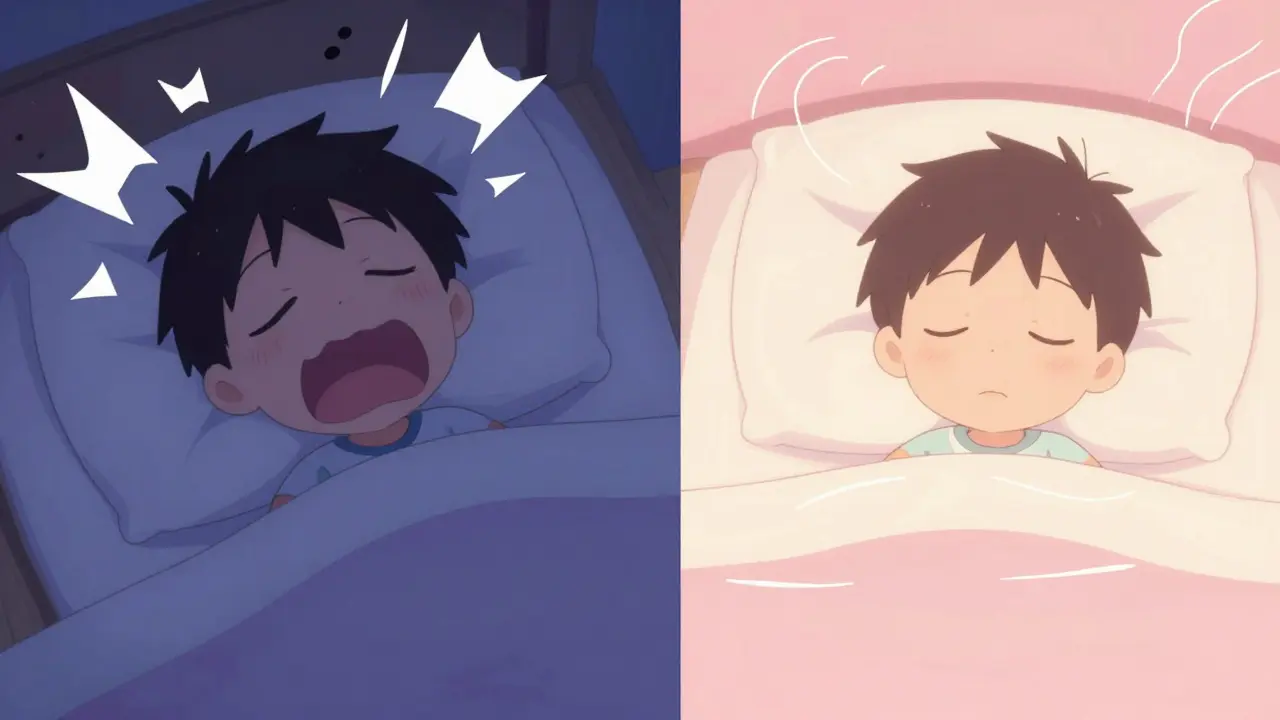
Imagine waking up to silence instead of the familiar roar of a chainsaw in your bedroom. For millions of people, snoring is not just a nuisance; it disrupts relationships and signals underlying health issues. If you have tried nasal strips or positional pillows without success, there is a more robust solution that has been quietly revolutionizing sleep medicine for decades. It involves a small, custom-made mouthpiece that gently moves your jaw forward while you sleep.
This method, known as Oral Appliance Therapy (OAT), uses mandibular advancement devices to reposition the lower jaw and keep the airway open during sleep. Unlike bulky machines with masks and hoses, these devices are discreet, portable, and surprisingly effective for many sufferers. But how exactly does moving your jaw stop the noise? And is it safe for your teeth?
How Mandibular Advancement Devices Stop Snoring
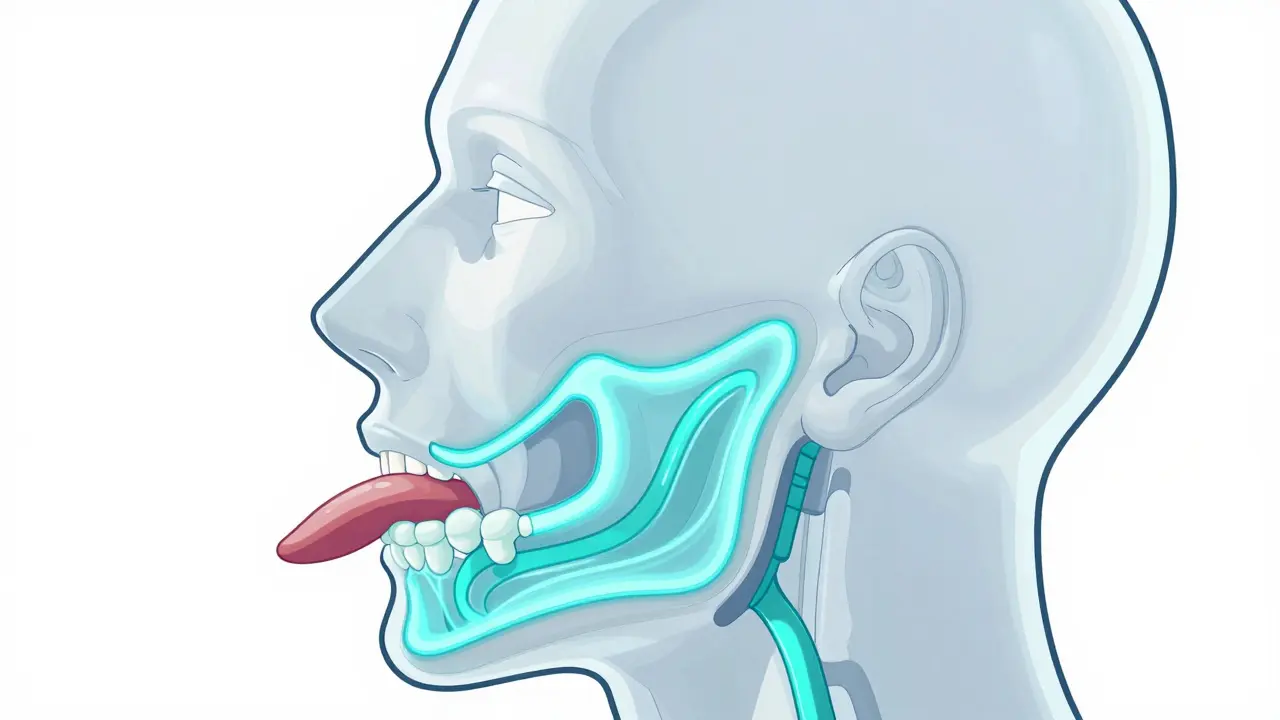
To understand why these devices work, you need to look at what happens inside your throat when you lie down. Gravity pulls the soft tissues of your tongue and soft palate backward. In many people, this narrows the airway enough to cause vibration-snoring-or complete collapse-obstructive sleep apnea (OSA).
Mandibular Advancement Devices (MADs) act like a mechanical brace for your jaw. By holding your lower jaw slightly forward, they pull the tongue and attached soft tissues away from the back of the throat. This creates more space for air to flow freely. The American Academy of Sleep Medicine (AASM) recognized this mechanism as a valid treatment option in 2006, citing its ability to maintain upper airway patency without invasive surgery.
The effectiveness depends on how far the jaw is moved. Research shows a dose-dependent relationship: generally, the further the jaw advances, the better the result. However, comfort is key. Most patients find an advancement of 3mm to 10mm optimal. Pushing too far can cause pain or damage the temporomandibular joint (TMJ). That is why professional titration-the gradual adjustment of the device-is crucial.
Custom Prescription vs. Over-the-Counter Kits
You might see boil-and-bite kits advertised online for under $100. While tempting, these over-the-counter options often fail to deliver lasting results. Here is why:
- Fitness and Precision: Custom devices are made from digital scans or physical impressions of your unique bite. They fit snugly, preventing them from falling out or shifting during sleep. OTC kits rely on generic molds that rarely account for individual tooth alignment.
- Titratability: High-quality prescription MADs allow for incremental adjustments. A dentist can move the jaw forward by millimeters over several weeks to find the sweet spot between maximum airflow and minimum discomfort. OTC devices usually have fixed positions.
- Material Quality: Prescription appliances use medical-grade acrylics and titanium components designed for long-term durability. Cheaper alternatives may degrade, harbor bacteria, or break easily.
A 2015 meta-analysis highlighted this gap clearly: custom titratable devices achieved a 72.3% reduction in snoring, compared to just 48.6% for non-custom alternatives. If you are serious about stopping the noise, investing in a professionally fabricated device pays off in both efficacy and longevity.
| Feature | Custom MAD (Prescription) | OTC Boil-and-Bite | CPAP Machine |
|---|---|---|---|
| Snoring Reduction | 65-75% | ~50% | 85-95% |
| Comfort & Portability | High (Small, quiet) | Moderate | Low (Bulky, noisy) |
| Adherence Rate (1 Year) | 76.4% | Variable | 45.2% |
| Cost Range | $1,800 - $2,500 | $50 - $150 | $200 - $3,000+ |
| Best For | Primary snoring, mild-moderate OSA | Mild, occasional snoring | Severe OSA |
Who Is a Good Candidate for Oral Appliance Therapy?
Not everyone benefits equally from MADs. Success relies heavily on your specific anatomy and the severity of your condition. You are likely a good candidate if:
- You have primary snoring: You snore loudly but do not have diagnosed sleep apnea. MADs are highly effective here, often reducing decibel levels significantly.
- You have mild-to-moderate Obstructive Sleep Apnea (OSA): If CPAP feels suffocating or impractical, MADs are the recommended first-line alternative.
- You have healthy teeth and gums: You need at least six to eight natural teeth per arch to anchor the device. Severe periodontal disease or missing teeth can make retention difficult.
- Your TMJ is stable: Existing jaw pain or arthritis might be exacerbated by the forward pressure. A dental evaluation is essential to rule this out.
Conversely, MADs may not work well if you have severe anatomical obstructions, such as a very large tongue base or significant nasal congestion that cannot be managed separately. In cases of Mallampati class IV airways (where you can barely see your tonsils), failure rates can exceed 38%. Always start with a sleep study to determine your Apnea-Hypopnea Index (AHI) before committing to a device.
The Process: From Consultation to Clear Nights
Getting fitted for a MAD is not a one-stop shop visit. It requires collaboration between a sleep physician and a dental sleep specialist. Here is what the journey typically looks like:
- Sleep Study: First, confirm whether you have simple snoring or sleep apnea via polysomnography or a home sleep test. This establishes your baseline.
- Dental Evaluation: A dentist checks your oral health, taking impressions or digital scans of your teeth. They assess your bite and jaw mobility.
- Device Fabrication: The lab constructs your custom appliance using semi-rigid acrylic materials. This takes a few weeks.
- Fitting and Titration: You receive the device. Initially, it will be set to a minimal advancement. Over 4 to 6 weeks, you return for adjustments, increasing the protrusion by 1mm every few days until you find the most comfortable setting that stops the snoring.
- Follow-Up Sleep Test: To verify efficacy, you may undergo another sleep test wearing the device. This confirms how much your AHI has dropped and ensures the device is working as intended.
This structured protocol minimizes side effects and maximizes results. Skipping the titration phase is a common mistake that leads to poor compliance and jaw pain.
Potential Side Effects and Long-Term Considerations
No medical intervention is without risks. While MADs are non-invasive, they do exert force on your jaw and teeth. Being aware of potential side effects helps you manage expectations and protect your oral health.
Jaw Pain and Discomfort: During the first two weeks, many users report morning jaw soreness. This is normal as muscles adapt to the new position. If pain persists beyond four weeks, the advancement may be too aggressive.
Excessive Salivation: Your mouth may produce more saliva initially because the device stimulates salivary glands. This usually subsides within a few days as your body adjusts.
Occlusal Changes: This is the most significant long-term concern. Approximately 25% of long-term users experience irreversible changes in their bite. Teeth may shift slightly over years of nightly wear. Regular dental check-ups every six months are mandatory to monitor these changes. In rare cases, orthodontic correction may be needed after five or more years of use.
Despite these concerns, the benefit-risk profile remains favorable for properly selected patients. The relief from chronic snoring and improved sleep quality often outweighs the manageable dental side effects.
Is Insurance Coverage Available?
Cost is a major barrier for many. Custom MADs typically range from $1,800 to $2,500. However, insurance coverage is improving. As of 2023, about 38% of U.S. commercial insurance plans cover MADs, especially if a diagnosis of Obstructive Sleep Apnea is present. For primary snoring alone, coverage is less common, and you may need to pay out-of-pocket.
Always ask your provider to submit a pre-determination request to your insurer. Provide documentation from your sleep study highlighting the severity of your condition. Some employers also offer Flexible Spending Accounts (FSAs) or Health Savings Accounts (HSAs) that can be used for this expense.
Living with a Mandibular Advancement Device
Once you are accustomed to the device, life becomes remarkably simple. The appliance weighs only 25-40 grams. You can travel with it easily-it fits in a small case. There are no cords, batteries, or noise. Just insert it, close your mouth, and breathe normally.
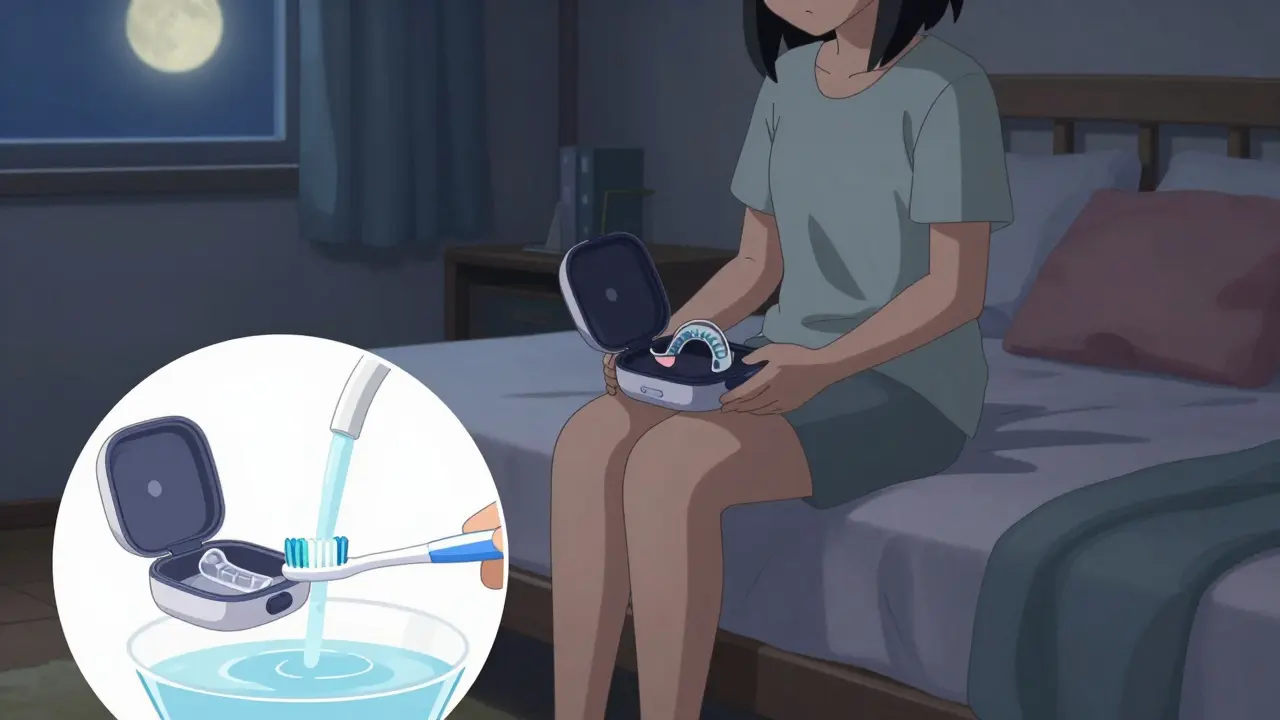
Cleaning is straightforward. Brush the device daily with a soft toothbrush and non-abrasive toothpaste or specialized cleaner. Store it in water or a cleaning solution when not in use to prevent warping and bacterial growth. Avoid hot water, which can distort the plastic.
If you forget to wear it, don't worry. Snoring will return, but there are no withdrawal symptoms. Consistency is key, though. Most users achieve consistent nightly use within 30 days. Remember, the goal is not just to stop the noise for your partner, but to ensure you get restorative, uninterrupted sleep yourself.
Does oral appliance therapy cure snoring permanently?
No, it manages snoring while you wear it. It is not a permanent surgical fix. If you stop using the device, your jaw returns to its natural resting position, and snoring typically resumes within 48 hours. Think of it like glasses for your airway-you need them when you sleep to see (breathe) clearly.
Can I talk or drink water while wearing a MAD?
You can sip water carefully, but talking is difficult and may sound muffled. Most users remove the device if they wake up during the night to use the bathroom or talk. Re-inserting it before going back to sleep is easy once you practice.
How long does it take to adjust to a mandibular advancement device?
Most people adapt within 10 to 14 days. Initial discomfort, increased saliva, and minor jaw soreness are common during this period. Wearing the device for short periods during the day can help your muscles acclimate faster. Full comfort and optimal settings usually take 4 to 6 weeks of titration visits.
Are there any foods I should avoid if I have a MAD?
Since you wear the device only at night, diet restrictions do not apply directly. However, maintaining good oral hygiene is critical. Avoid sugary snacks right before bed to prevent cavities around the teeth anchoring the device. Regular dental cleanings are essential.
What if my jaw hurts after using the device for a year?
Contact your dental sleep specialist immediately. Persistent jaw pain could indicate that the advancement is too great or that your bite has shifted. They may need to adjust the device or refer you to an orthodontist. Do not ignore TMJ pain, as early intervention prevents long-term damage.